The Anti-Aging Power of Carotenoids: Why Kiwi is a Must for Longevity
The Overture: The Human Quest for Longevity
For millennia, humanity has been captivated by the elusive promise of eternal youth and extended life. From ancient alchemists seeking elixirs to modern scientists unraveling the intricate dance of cellular senescence, the quest for longevity is deeply woven into the fabric of human aspiration. In our contemporary era, this pursuit has transcended mythical legends, grounding itself in rigorous scientific inquiry. We no longer chase a magical potion but rather seek to understand the delicate biological mechanisms that govern aging, aiming to optimize them through informed choices in lifestyle and nutrition.
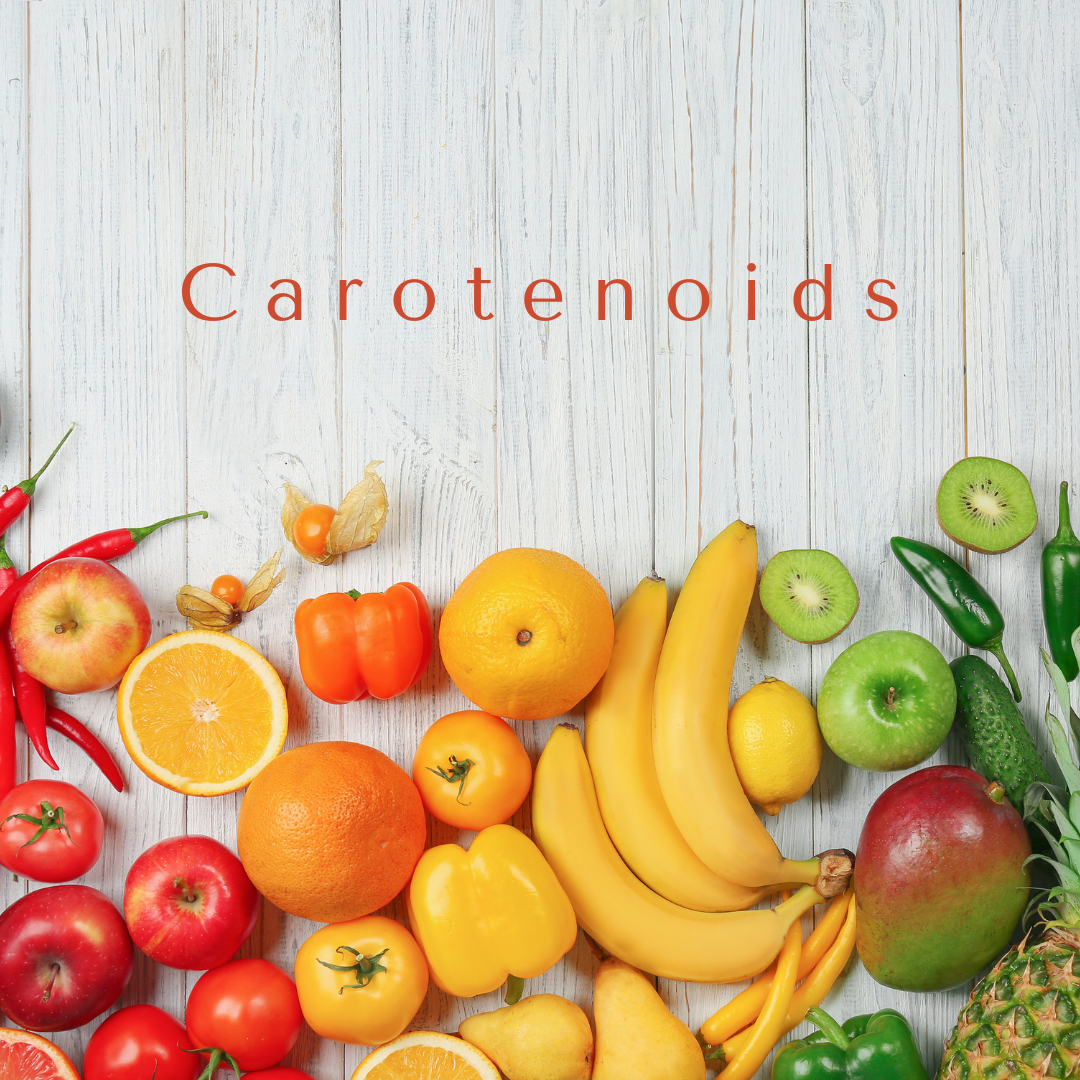
Among the myriad molecules now recognized for their potential in slowing the hands of time, a vibrant class of natural pigments stands out: carotenoids. These unsung heroes, responsible for the brilliant reds, oranges, and yellows of our fruits and vegetables, are far more than mere aesthetic enhancers. They are potent biological agents, cellular guardians operating on multiple fronts in the perennial battle against age-related decline. And within this spectrum of life-enhancing compounds, the humble kiwi emerges not just as a delicious fruit, but as a concentrated package of longevity-promoting power, a verdant jewel in the crown of anti-aging nutrition.
This article embarks on a journey to unravel the profound anti-aging power of carotenoids, delving into their multifaceted mechanisms of action, and spotlighting why the unassuming kiwi fruit is an indispensable ally in the pursuit of a longer, healthier life. Our audience, knowledgeable and discerning, will find here a synthesis of scientific understanding, narrative depth, and practical application, moving beyond superficial claims to explore the true biological imperative of incorporating these vibrant molecules into our daily regimen.
Unveiling the Carotenoid Canvas: A Spectrum of Life
Carotenoids are a vast family of more than 750 naturally occurring pigments synthesized by plants, algae, and photosynthetic bacteria. They play crucial roles in photosynthesis, protecting chlorophyll from photo-oxidative damage, and are responsible for the vivid coloration of many fruits, vegetables, and flowers, as well as the feathers of birds and the shells of crustaceans that consume them. Humans, unable to synthesize carotenoids de novo, must obtain them through diet, where they act as essential micronutrients.
These lipophilic (fat-soluble) compounds are broadly categorized into two main groups:
- Carotenes: Hydrocarbon carotenoids, such as alpha-carotene, beta-carotene, and lycopene. Beta-carotene is particularly well-known as a precursor to Vitamin A (retinol), essential for vision, immune function, and skin health.
- Xanthophylls: Oxygen-containing carotenoids, including lutein, zeaxanthin, and astaxanthin. These compounds often have specific roles in human health, particularly in the eyes and brain, and do not convert to Vitamin A.
The Core Mechanism: Antioxidant Power – Quenching the Fires of Aging
At the heart of the aging process lies oxidative stress – an imbalance between the production of harmful reactive oxygen species (ROS) and the body’s ability to detoxify them. ROS, such as free radicals, are generated as byproducts of normal metabolism, environmental toxins, and UV radiation. Unchecked, they inflict damage on vital cellular components: DNA, proteins, and lipids, leading to cellular dysfunction, inflammation, and ultimately, age-related diseases.
Carotenoids are exceptionally potent antioxidants. Their unique molecular structure, characterized by an extended system of conjugated double bonds, allows them to efficiently neutralize free radicals by donating electrons without becoming reactive themselves. This electron donation stabilizes the free radical, preventing it from initiating a chain reaction of damage within the cell.
- Singlet Oxygen Quenching: Beyond general free radical scavenging, carotenoids are particularly effective at quenching singlet oxygen, a highly reactive form of oxygen generated during UV exposure and other photochemical processes. This specific action is crucial for protecting the skin and eyes from photo-oxidative damage.
- Membrane Protection: Being lipophilic, carotenoids integrate directly into cell membranes. This strategic positioning allows them to intercept free radicals before they can damage the delicate lipid bilayers, thereby maintaining cell integrity and signaling capabilities.
Beyond Antioxidants: A Symphony of Anti-Aging Actions
While their antioxidant prowess is foundational, the anti-aging power of carotenoids extends far beyond simple radical scavenging. Modern research reveals a more complex and nuanced role, positioning them as key modulators of cellular health and longevity pathways:
-
Anti-inflammatory Agents: Chronic low-grade inflammation, often termed "inflammaging," is a major driver of age-related diseases, from cardiovascular disease and neurodegeneration to cancer and metabolic disorders. Carotenoids have demonstrated significant anti-inflammatory properties, inhibiting pro-inflammatory signaling pathways (like NF-κB) and reducing the production of inflammatory cytokines. By dampening this persistent inflammatory state, carotenoids help preserve tissue function and reduce the cumulative damage associated with aging.
-
Immune System Modulation: A robust immune system is critical for healthy aging. Carotenoids support immune function by enhancing the proliferation and activity of various immune cells, including T-lymphocytes, B-lymphocytes, and natural killer cells. They can also improve the communication between immune cells, strengthening the body’s defense against pathogens and aberrant cells. This immune-modulating effect is vital in maintaining immune surveillance, which tends to decline with age.
-
Cellular Communication and Gene Expression: Emerging evidence suggests that carotenoids can influence cellular signaling pathways and gene expression. They may activate or suppress genes involved in cell growth, differentiation, and apoptosis (programmed cell death), contributing to healthy cell turnover and preventing the accumulation of senescent (aging, dysfunctional) cells. Some carotenoids, particularly beta-carotene, have been implicated in activating the Nrf2 pathway, a master regulator of antioxidant and detoxification genes, further enhancing the cell’s intrinsic defense mechanisms.


Post Comment