Glow From Within: How Kiwi’s Vitamin E Content Rejuvenates Your Skin
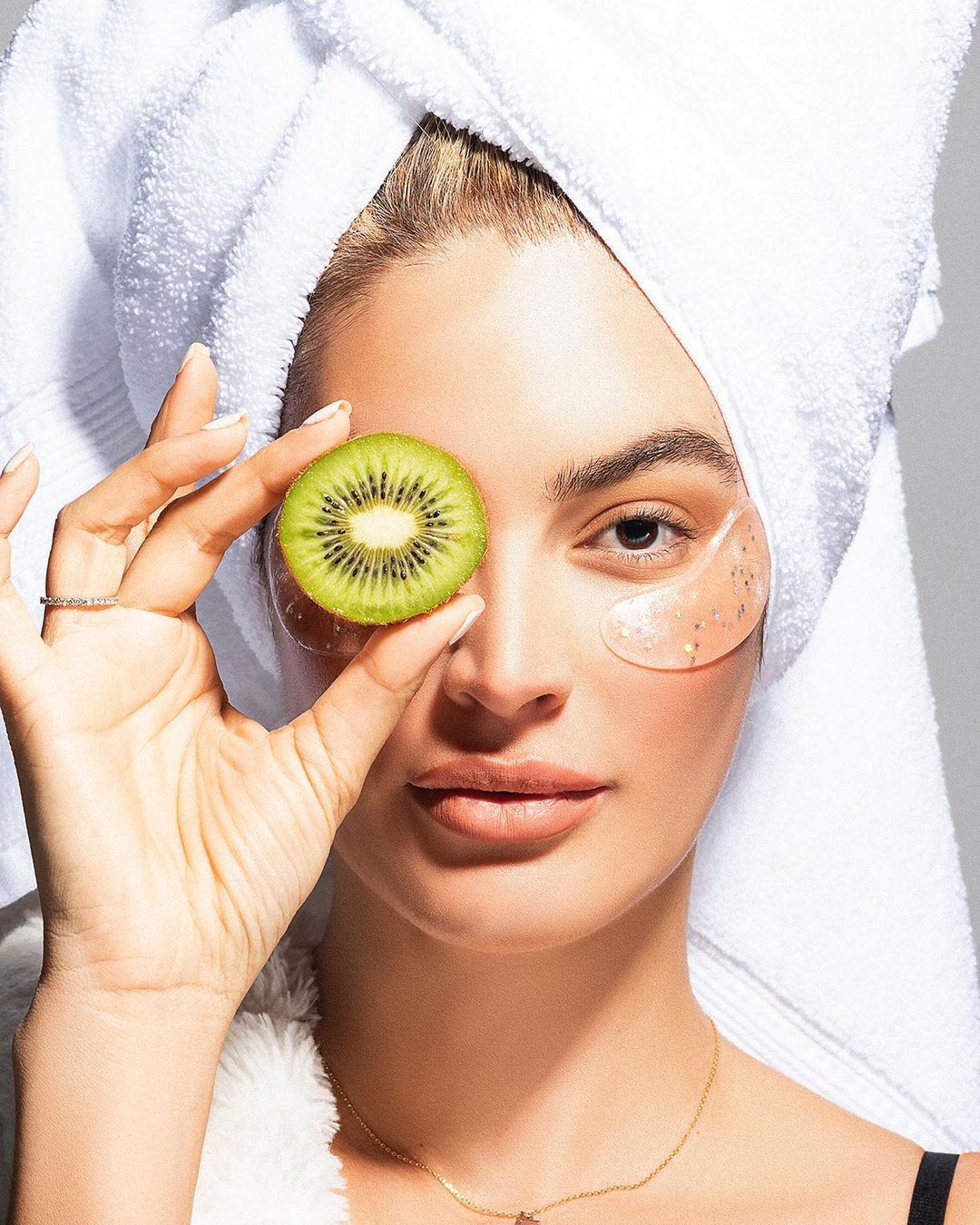
In the ceaseless human quest for youth and radiance, we often find ourselves navigating a labyrinth of fleeting trends, complex chemical compounds, and promises whispered on the winds of marketing. Yet, time and again, the most profound answers to our deepest desires for well-being and beauty are found not in laboratories, but in the unassuming bounty of the natural world. Among nature’s vibrant palette, one small, fuzzy fruit, often overlooked, holds a secret potent enough to redefine what it means to truly "glow from within." This is the story of the kiwi, a humble fruit whose rich Vitamin E content orchestrates a symphony of rejuvenation for your skin, transforming it from the inside out.
The concept of a "glow from within" transcends mere surface aesthetics. It speaks to a deeper vitality, a reflection of health and balance radiating from every cell. It’s the kind of luminous complexion that can’t be painted on, a resilience that resists the daily onslaught of environmental stressors, and a youthful elasticity that defies the relentless march of time. This profound transformation isn’t born of a single magical ingredient but is cultivated through a holistic approach where diet plays a pivotal, often underestimated, role. And it is here, in the realm of nutritional dermatology, that the kiwi fruit, with its concentrated dose of Vitamin E and a host of other beneficial compounds, emerges as a quiet, yet powerful, protagonist.
For centuries, ancient cultures instinctively understood the profound connection between what we consume and how we appear. Modern science has meticulously unraveled these intuitive truths, revealing the intricate molecular dance between nutrients and cellular health. Our skin, the body’s largest organ, stands as a testament to this connection. It is a living, breathing tapestry, constantly renewing itself, defending against external threats, and reflecting our internal state. To understand how kiwi rejuvenates, we must first appreciate the delicate balance within our skin and the forces that seek to disrupt it.
The Skin: A Living Canvas Under Siege
Our skin is far more than a mere covering; it is a complex, multi-layered organ, a marvel of biological engineering designed for protection, sensation, temperature regulation, and synthesis. At its outermost frontier lies the epidermis, a dynamic layer of constantly regenerating cells that form our primary barrier against the world. Beneath it, the dermis, a thicker, more fibrous layer, provides structural support and elasticity, teeming with collagen, elastin, and hyaluronic acid – the very proteins and molecules responsible for skin’s firmness, suppleness, and hydration. Deeper still, the hypodermis, or subcutaneous tissue, insulates and cushions.
This intricate architecture is perpetually under siege. The modern world, with its pervasive environmental aggressors, acts as a relentless adversary to our skin’s health. Ultraviolet (UV) radiation from the sun, ubiquitous air pollution, the chronic stress of daily life, inadequate sleep, and diets depleted of essential nutrients all contribute to a cascade of cellular damage. At the heart of much of this damage lies a destructive process known as oxidative stress.
Oxidative stress occurs when there is an imbalance between the production of harmful free radicals and the body’s ability to neutralize them with antioxidants. Free radicals are highly reactive molecules, often byproducts of normal metabolic processes or external exposures, that possess an unpaired electron. In their desperate search for stability, they "steal" electrons from healthy cells, causing damage to DNA, proteins (like collagen and elastin), and cell membranes. This cellular havoc manifests on our skin as premature aging: fine lines, wrinkles, loss of elasticity, hyperpigmentation, and a dull, uneven complexion. The vibrant, youthful glow begins to dim, replaced by signs of wear and tear.
It is against this backdrop of constant assault that antioxidants emerge as our skin’s valiant defenders. These remarkable molecules selflessly donate an electron to free radicals, neutralizing their destructive potential and safeguarding our cells from harm. Among the pantheon of antioxidants, one stands out for its profound and multifaceted benefits to skin health: Vitamin E.
Vitamin E: Nature’s Antioxidant Guardian
Vitamin E is not a single compound but a group of eight fat-soluble compounds, broadly categorized into tocopherols (alpha, beta, gamma, and delta) and tocotrienols (alpha, beta, gamma, and delta). Alpha-tocopherol is the most biologically active form in humans and the one most commonly associated with health benefits. As a fat-soluble vitamin, it integrates seamlessly into cell membranes, particularly those rich in lipids, where it performs its primary role as a formidable antioxidant.
The mechanism of Vitamin E’s action is elegantly simple yet profoundly effective. Within the lipid bilayers of cell membranes, free radicals can initiate a chain reaction of lipid peroxidation, essentially causing the fats in cell membranes to go rancid, compromising their integrity and function. Vitamin E intervenes, interrupting this destructive chain reaction by donating an electron to the free radical, thereby stabilizing it and preventing further damage. This protective action is crucial for maintaining the health and stability of every cell in our skin, from keratinocytes in the epidermis to fibroblasts in the dermis.
But Vitamin E’s contributions to skin health extend far beyond its prowess as a free radical scavenger. Its benefits are numerous and synergistic:
-
Potent Antioxidant Protection: This is its hallmark. By neutralizing free radicals generated by UV radiation, pollution, and other environmental stressors, Vitamin E acts as an internal sunscreen, reducing photoprotection. While it doesn’t block UV rays like topical sunscreens, it significantly mitigates the damage these rays inflict on skin cells, DNA, and the extracellular matrix. This translates to less sun-induced inflammation, redness, and long-term cellular degradation.
-
Anti-inflammatory Properties: Beyond direct antioxidant action, Vitamin E possesses significant anti-inflammatory capabilities. It can help calm irritated skin, reduce redness, and soothe various inflammatory skin conditions. By modulating inflammatory pathways, it contributes to a more even-toned and serene complexion, essential for that coveted "glow."
-
Enhanced Moisturisation and Barrier Function: A healthy skin barrier is paramount for retaining moisture and protecting against irritants. Vitamin E strengthens this vital barrier function. By protecting the lipid matrix of the epidermis, it reduces transepidermal water loss (TEWL), keeping the skin hydrated, plump, and supple. This improved moisture retention is fundamental to a dewy, radiant appearance.
-
Wound Healing and Scar Reduction: Vitamin E has long been recognized for its role in supporting skin repair. It aids in cell regeneration and tissue repair, contributing to faster wound healing and potentially minimizing the appearance of scars. Its anti-inflammatory properties further support the healing process by reducing excessive inflammation that can impede recovery.
-
Anti-aging Effects: By diligently protecting collagen and elastin fibers from oxidative degradation, Vitamin E helps preserve the skin’s structural integrity. Collagen provides firmness, while elastin provides elasticity. Safeguarding these proteins means fewer fine lines, wrinkles, and a firmer, more youthful skin texture. It helps to maintain the scaffolding that keeps skin looking lifted and taut.


Post Comment