Glycemic Index Deep Dive: Is Maple Syrup Actually Better for Your Blood Sugar?
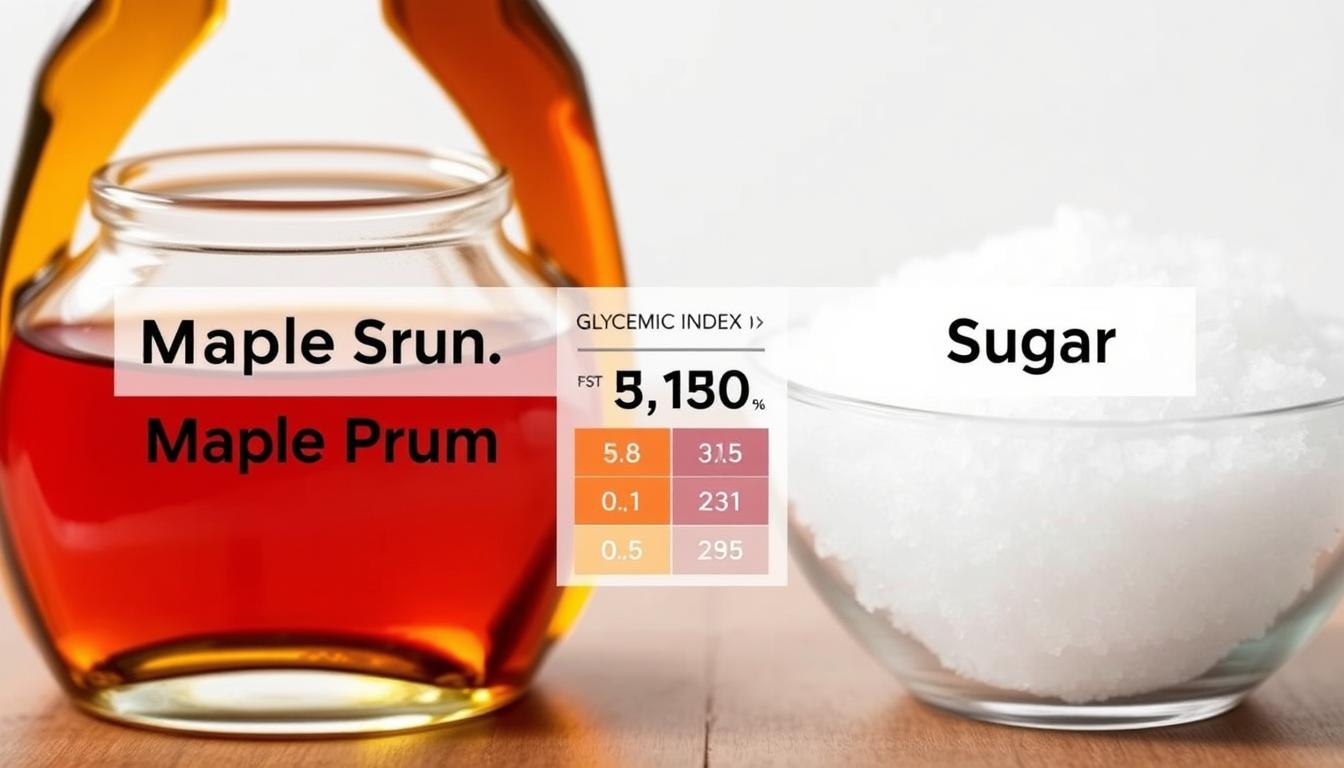
In the relentless pursuit of health and wellness, the modern palate finds itself at a crossroads. Sweetness, an evolutionary delight, has become a dietary villain, implicated in everything from obesity and type 2 diabetes to heart disease. This societal shift has ignited a fervent quest for "better" sweeteners – alternatives that promise the same comforting taste without the metabolic havoc. Amidst this saccharine scramble, a golden elixir from the forests of North America often emerges as a shining contender: maple syrup.
Whispers abound in health circles: "It’s natural," "It has antioxidants," "Its glycemic index is lower." These claims paint a picture of maple syrup as a guilt-free indulgence, a superior choice to the ubiquitous white granulated sugar. But is this perception rooted in scientific fact, or is it merely another triumph of marketing and the powerful halo effect of "natural" foods?
To truly answer whether maple syrup is "better" for your blood sugar, we must embark on a deep dive, peeling back the layers of popular belief to examine the very mechanisms by which our bodies process sugar. This journey will take us through the intricate world of the Glycemic Index (GI), the nuanced composition of maple syrup, and the broader context of dietary health that often gets lost in the single-minded focus on a solitary food metric. For the knowledgeable audience, this isn’t just about numbers; it’s about understanding the story behind the sweetness.
The Unseen Hand: Understanding the Glycemic Index
Our story begins with a fundamental concept: the Glycemic Index. Developed in the early 1980s by Dr. David Jenkins and his colleagues at the University of Toronto, the GI was conceived as a tool to help individuals, particularly those with diabetes, make informed dietary choices regarding carbohydrate-containing foods. It’s a ranking system that measures how quickly and how much a specific food raises blood glucose levels compared to a reference food, typically pure glucose or white bread.
The scale is straightforward: glucose is assigned a GI of 100. Foods are then tested by feeding a standardized amount (usually 50 grams of available carbohydrate) to a group of healthy volunteers after an overnight fast. Their blood glucose levels are monitored over a two-hour period, and the area under the curve (AUC) of their blood glucose response is calculated. This AUC is then compared to the AUC of the reference food.
Categorization of GI:
- Low GI: 55 or less (e.g., most non-starchy vegetables, legumes, whole grains, some fruits)
- Medium GI: 56-69 (e.g., whole wheat bread, brown rice, bananas)
- High GI: 70 or more (e.g., white bread, white rice, potatoes, cornflakes)
The premise is simple: low GI foods are digested and absorbed more slowly, leading to a more gradual and sustained rise in blood sugar and insulin levels. High GI foods, conversely, cause a rapid spike, followed by a potential crash as the body overcompensates with insulin. For individuals managing diabetes, aiming for lower GI foods can help stabilize blood sugar, reduce the risk of hyperglycemia, and potentially improve long-term glycemic control. For the general population, a diet rich in low GI foods is often associated with benefits like sustained energy, improved satiety, and a reduced risk of chronic diseases.
However, the GI is not without its complexities and limitations, which a knowledgeable audience must appreciate. It measures the glycemic response to a specific amount of carbohydrate in isolation. But how often do we eat foods in isolation, let alone precisely 50 grams of available carbs? This leads us to a crucial companion metric: the Glycemic Load.
Beyond the Index: The Importance of Glycemic Load
While the GI tells us about the quality of the carbohydrate (how quickly it raises blood sugar), the Glycemic Load (GL) tells us about the quantity of carbohydrate in a typical serving of food, and thus, its actual impact on blood sugar.
GL = (GI x grams of available carbohydrate in a serving) / 100
Categorization of GL:
- Low GL: 10 or less
- Medium GL: 11-19
- High GL: 20 or more
Consider watermelon, for example. It has a relatively high GI of 76. On its own, this might deter someone from eating it. However, watermelon is mostly water, so a typical serving (say, 1 cup or 150g) contains only about 11 grams of available carbohydrates. This gives it a GL of (76 x 11) / 100 = 8.4 – a low GL food. This illustrates why GL is often considered a more practical and realistic indicator of a food’s real-world impact on blood sugar. A food might have a high GI, but if you eat very little of it, its GL will be low. Conversely, a food with a moderate GI, if consumed in large portions, could result in a high GL.
The Nuances: Factors Affecting GI and GL
The story of glycemic response is further complicated by a multitude of factors that influence a food’s GI and GL, and by extension, our individual blood sugar reactions:
- Fiber Content: Soluble fiber, in particular, slows down digestion and absorption, leading to a lower glycemic response. This is why whole grains generally have a lower GI than their refined counterparts.
- Fat and Protein Content: The presence of fat and protein in a meal slows gastric emptying, meaning carbohydrates enter the bloodstream more gradually. This can significantly lower the overall glycemic response of a meal.


Post Comment