The Antioxidant Powerhouse: Why Maple Syrup is More Than Just an Empty Calorie
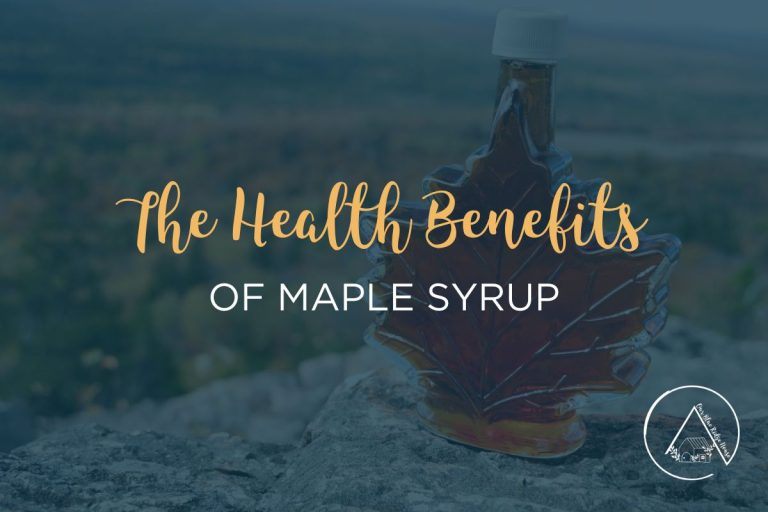
The golden, viscous cascade from a bottle of maple syrup is a familiar sight, often associated with lazy Sunday breakfasts and stacks of fluffy pancakes. For many, it’s a simple indulgence, a pure shot of sweetness to kickstart the day. Yet, beneath this seemingly straightforward façade lies a story far richer and more complex than most realize. Maple syrup, particularly the genuine article, is frequently relegated to the category of "empty calories"—a source of energy devoid of meaningful nutrition. This perception, however, does a profound disservice to a natural wonder, a product of patient labor and an intricate biological process.
To truly appreciate maple syrup is to embark on a journey that spans centuries of tradition, delves into the intricate chemistry of the forest, and ultimately reveals a surprising trove of beneficial compounds. Far from being an empty vessel of sweetness, maple syrup stands as a testament to nature’s quiet power, brimming with minerals, unique phytochemicals, and an impressive array of antioxidants that defy its sugary reputation. It’s time to re-evaluate our understanding of this liquid gold and recognize it for what it truly is: an antioxidant powerhouse, a functional food that offers far more than just a fleeting moment of sweet delight.
A Legacy Etched in Sap: The Story of Maple
The tale of maple syrup begins not in a modern processing plant, but deep within the snow-laden forests of North America, long before European settlers ever set foot on the continent. For Indigenous peoples—the Algonquin, Iroquois, Huron, and others—the maple tree was a sacred gift, its flowing sap a harbinger of spring and a vital source of sustenance after long, harsh winters. Legends abound, speaking of hunters discovering sweet icicles dripping from broken branches, or of a chief who, out of curiosity, cooked venison in water collected from a maple tree, only to find it transformed into a delectable, sweet broth.
These early innovators understood the profound potential of maple sap. They developed sophisticated, albeit labor-intensive, methods for harvesting and concentrating it. Stone axes were used to gash tree trunks, with birch bark or wooden spouts directing the sap into hollowed-out logs, bark containers, or clay pots. The process of evaporation was a slow art, achieved by dropping hot stones into the sap, or by leaving it to freeze overnight, skimming off the ice (water) to concentrate the sugars. This ancestral knowledge, passed down through generations, laid the foundation for an industry that would eventually become a cornerstone of North American culture and economy.
When European colonists arrived, they quickly learned the ancient craft from Indigenous communities. French settlers, in particular, adopted "sugar shacks" (cabanes à sucre) as a vital part of their spring rituals, transforming the sap into a precious commodity. Over centuries, the technology evolved—from iron kettles suspended over open fires to the introduction of horse-drawn sleds, then to intricate networks of plastic tubing, vacuum pumps, and high-efficiency evaporators powered by wood, oil, or reverse osmosis.
Despite these advancements, the fundamental essence of maple syrup production remains unchanged: it is the boiled-down, concentrated sap of the maple tree, primarily the Sugar Maple (Acer saccharum), but also Red Maple (Acer rubrum) and Silver Maple (Acer saccharinum). This minimal processing is crucial. Unlike refined white sugar, which undergoes extensive chemical treatments and purification, or high-fructose corn syrup, a highly processed industrial product, maple syrup is largely just water removed from tree sap. This preserves a wealth of the tree’s natural compounds, allowing them to remain intact in the final product. It is this direct link to the living tree, and the gentle hand of tradition, that sets maple syrup apart and hints at its deeper nutritional story.
Beyond Sweetness: Unveiling Maple’s Nutritional Tapestry
To dismiss maple syrup as "empty calories" is to overlook a significant nutritional profile that distinguishes it from most other common sweeteners. While its primary component is indeed sugar (sucrose, with smaller amounts of glucose and fructose), it’s the supporting cast of micronutrients and phytochemicals that truly elevates its status.
A Mineral Mother Lode:
Maple syrup is a surprisingly good source of several essential minerals, many of which play critical roles in human health:
- Manganese: This often-overlooked trace mineral is present in significant amounts in maple syrup. Manganese is crucial for bone health, metabolism, and, importantly, acts as a cofactor for several enzymes, including superoxide dismutase (SOD), one of the body’s primary antioxidant defenses. A single serving of maple syrup can contribute substantially to the daily recommended intake of manganese.
- Zinc: Another vital trace mineral found in maple syrup, zinc is indispensable for immune function, wound healing, DNA synthesis, and cell division. It also plays a role in antioxidant defense by helping to stabilize cell membranes and reduce oxidative stress.
- Calcium: While not as concentrated as in dairy products, maple syrup does contribute to calcium intake, which is essential for strong bones and teeth, nerve transmission, and muscle function.
- Potassium: An electrolyte vital for maintaining fluid balance, nerve signals, and muscle contractions, including those of the heart.
- Iron: Important for oxygen transport in the blood and energy metabolism.
- Magnesium: Involved in over 300 biochemical reactions in the body, including muscle and nerve function, blood glucose control, and blood pressure regulation.
While the absolute amounts of these minerals might not rival a multivitamin, their presence in a natural sweetener is notable, especially when compared to refined sugars which are utterly devoid of such micronutrients.
A Hint of Vitamins:
Though not a significant source, maple syrup does contain trace amounts of B vitamins, including riboflavin (B2), which plays a role in energy metabolism and cellular growth. Again, this is in stark contrast to refined sugars which offer no vitamin content whatsoever.
Glycemic Index: A Nuanced Perspective:
It’s important to acknowledge that maple syrup is still a concentrated source of sugar. However, its glycemic index (GI)—a measure of how quickly a food raises blood glucose levels—is generally considered moderate, often cited as around 54, compared to table sugar (sucrose) at 65 or pure glucose at 100. This is partly due to its composition and the presence of other compounds that might slow sugar absorption. While it will still impact blood sugar, its effect is typically less abrupt than that of highly refined sugars. For individuals managing blood sugar, moderation is still paramount, but maple syrup offers a slightly more favorable profile than its highly refined counterparts.
The combination of these minerals and trace vitamins, alongside its unique phytochemical profile, paints a picture of a sweetener that offers more than just caloric energy. It’s a foundational argument against the "empty calorie" label, but the true depth of maple syrup’s nutritional prowess lies in its extraordinary antioxidant content.
The Antioxidant Powerhouse: Maple’s Hidden Arsenal
The human body is a marvel of biological engineering, but it’s constantly under assault from various internal and external stressors. One of the primary culprits in cellular damage and the development of chronic diseases is oxidative stress. This occurs when there’s an imbalance between the production of harmful molecules called free radicals and the body’s ability to neutralize them with antioxidants. Free radicals are highly reactive molecules that can damage DNA, proteins, and cell membranes, contributing to aging, inflammation, cardiovascular disease, neurodegenerative disorders, and even cancer.
This is where maple syrup truly shines. It is not just sweet water; it is a complex botanical extract, rich in a diverse array of phenolic compounds—powerful antioxidants that the maple tree produces to protect itself, and which, when consumed, can offer similar protective benefits to us.
The Star Player: Quebecol


Post Comment