The Buzz, The Bloom, The Revelation: Why Szechuan Pepper Is the Missing Link in Your Spice Cabinet
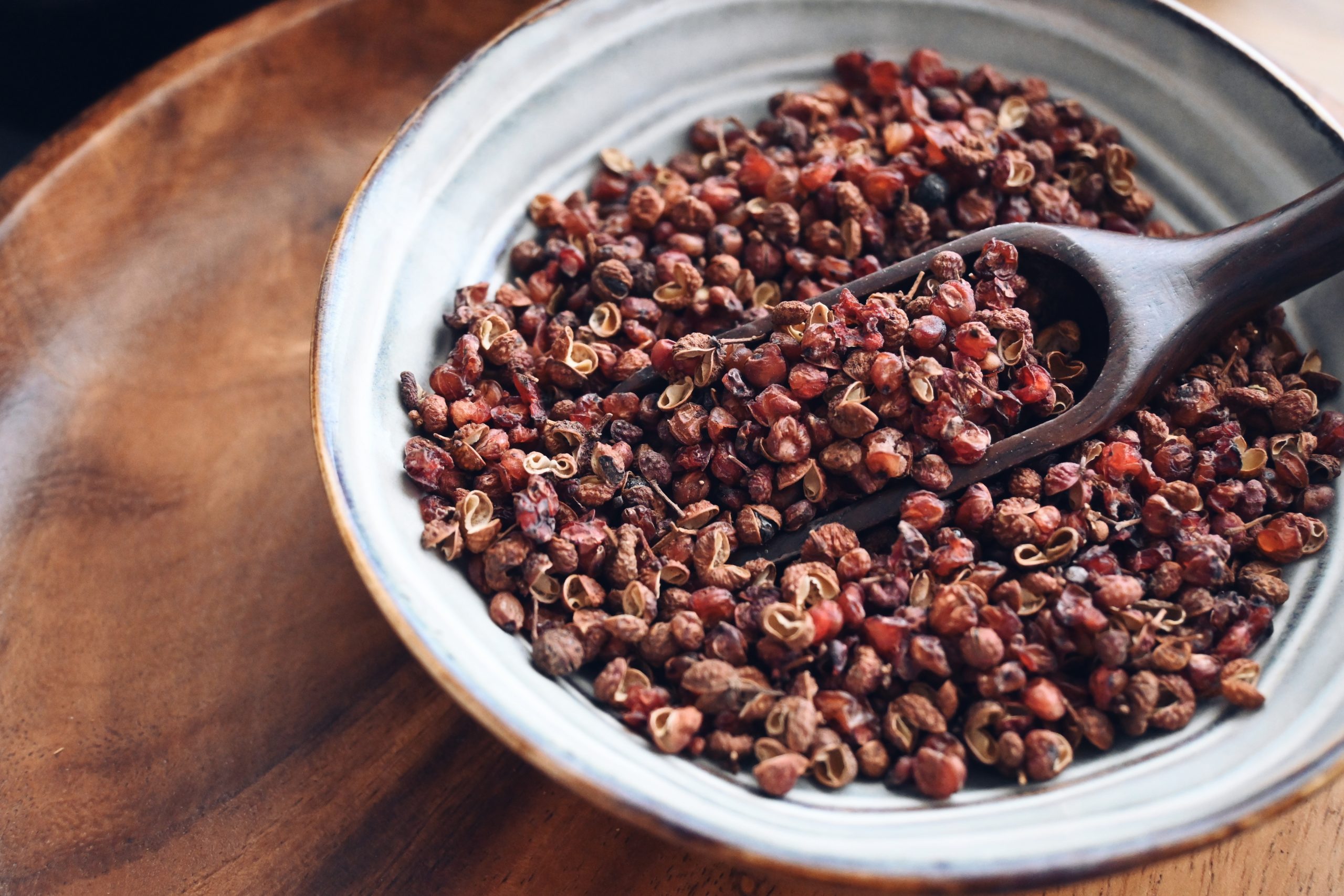
Every culinary journey is punctuated by moments of revelation. A new ingredient, a forgotten technique, a bold combination that ignites the senses and expands the very definition of flavor. For many, that moment arrives with the first true encounter with Szechuan pepper, a spice that doesn’t just add taste but orchestrates a symphony of sensations on the palate. It’s a spice that tells a story, not just of its origin in the mist-shrouded mountains of Sichuan, but of the very nature of human perception and the endless frontiers of gastronomic delight. If your spice cabinet feels complete without it, prepare for a delightful disruption, because Szechuan pepper is not merely an addition; it is a transformation waiting to happen.
For too long, the Western culinary world has largely viewed "spicy" as a singular, linear experience, measured on a Scoville scale and delivered primarily by capsaicin-rich chilies. We chase the heat, the burn, the endorphin rush. And while that pursuit holds its own distinct pleasures, it often overshadows a vast, intricate landscape of other pungencies and provocations. Enter Szechuan pepper, or hua jiao (花椒) in Mandarin, a spice that refuses to be categorized by simple heat. It introduces a concept entirely alien to most palates: ma la (麻辣), a two-pronged attack of numbing (ma) and spicy (la) that creates a unique, almost electric, dance on the tongue. It’s not just a flavor; it’s an experience, a neurological marvel, and once you understand its magic, you’ll wonder how your cooking ever thrived without its vibrant, buzzing presence.
The Awakening: My First Ma La Moment
My own journey into the captivating world of Szechuan pepper began, as it often does, with a dish. It wasn’t in the bustling alleyways of Chengdu, but in a small, unassuming restaurant tucked away in a strip mall, a place my adventurous friend insisted served "authentic" Sichuan cuisine. I was familiar with heat, having flirted with various levels of chili from jalapeño to habanero, but nothing prepared me for the dish placed before me: Mapo Tofu. Its rich, glossy surface, studded with crimson chili flakes and bright green scallions, promised a familiar fire. But with the first spoonful, a different sensation bloomed.
Initially, there was a robust, savory depth, followed by a pleasant warmth from the chilies. Then, subtly at first, a curious tingling began. It wasn’t painful, nor was it the sharp bite of black pepper. It was more like a gentle, effervescent buzz, a thousand tiny bubbles dancing on my tongue, spreading across my lips, and even lightly vibrating the inside of my mouth. It was citrusy, almost floral, with hints of wood and earth, but it was the sensation that captivated me. My mouth wasn’t burning; it was alive. The heat from the chilies, instead of overwhelming, was now perfectly complemented, softened and amplified simultaneously by this exhilarating numbness. It was a flavor profile that defied easy description, a culinary enigma that demanded further exploration. This was ma, the numbing sensation, and it was utterly revolutionary.
This initial encounter wasn’t just a meal; it was an education. It revealed a new dimension of flavor, a different way to interact with food. It taught me that spices could do more than just add taste or heat; they could alter perception, create texture in the mouth, and open doors to entirely new sensory landscapes. And it set me on a path to understand, appreciate, and ultimately, evangelize the power of Szechuan pepper.
Unpacking the "Ma La": The Science of the Sensation
What exactly is happening when Szechuan pepper dances on your palate? The secret lies in a group of compounds called sanshools, primarily hydroxy-alpha-sanshool. Unlike capsaicin, the active compound in chili peppers which triggers actual pain receptors, sanshools interact with your mechanoreceptors – the touch and pressure sensors in your mouth and lips. This interaction creates a vibrant, buzzing, tingling, and often slightly numbing sensation, sometimes described as feeling like mild electric shock or the carbonation of a sparkling drink. It’s a harmless, fascinating trick of chemistry, a tactile illusion that enriches the culinary experience.
The ma (麻) component, the numbing and tingling, is the signature of Szechuan pepper. It’s not a complete loss of sensation, but rather an active, buzzing presence that primes the palate. This unique numbing effect plays a crucial role in Sichuan cuisine. By temporarily desensitizing the tongue, the ma sensation allows the accompanying la (辣) – the fiery heat from chilies – to be experienced more intensely yet also more pleasantly. It prevents the chili heat from becoming overwhelming and creates a dynamic interplay where both sensations are amplified and harmonized. The numbing effect also seems to enhance the perception of other flavors, making the dish more complex and multi-layered.
Beyond the tingling, Szechuan pepper boasts a complex aromatic profile. It’s bright and citrusy, often described as having notes of lemon, grapefruit, and even pine. There’s an underlying woody earthiness, a subtle floral quality, and a hint of warm spice that separates it from black pepper entirely. It lacks the pungent sinus-clearing quality of black pepper and offers a much more nuanced, delicate fragrance. When toasted, these aromas intensify, becoming richer and more profound, ready to infuse dishes with their unmistakable character. This dual nature – a unique sensation combined with a sophisticated aromatic bouquet – makes Szechuan pepper an indispensable tool for any adventurous cook.
A Journey Through Time: The Story of a Resilient Spice
Szechuan pepper’s story is deeply intertwined with the history and geography of China, particularly the Sichuan basin. Its use dates back millennia, with archaeological evidence suggesting its presence in Chinese cooking as early as the Qin Dynasty (221–206 BC). Ancient texts describe it not just as a culinary ingredient but also for its medicinal properties, used to treat ailments ranging from stomach aches to toothaches – a testament to its powerful numbing qualities.
The province of Sichuan, nestled in a vast basin surrounded by mountains, has a humid, often damp climate, traditionally believed to contribute to a buildup of "dampness" in the body. Traditional Chinese medicine often prescribed warming, drying foods to counteract this. Szechuan pepper, with its warming properties and ability to stimulate circulation, became a staple, deeply integrated into the local diet. This wasn’t merely about flavor; it was about balance and well-being, a holistic approach to food that shaped a distinct regional cuisine.
For centuries, Szechuan pepper remained a cornerstone of Sichuanese cooking, defining its bold and complex flavors. Its relative isolation within China meant its unique qualities were less known globally compared to black pepper or chilies. When chilies were introduced to China from the Americas during the Ming Dynasty (1368–1644), they found a natural home in Sichuan. The existing love for pungent, stimulating flavors meant chilies were readily adopted, and thus, the iconic ma la pairing was born, elevating Sichuan cuisine to new heights of fame and deliciousness. The combination of the numbing pepper and the fiery chili created a flavor profile unlike anything else in the world, a signature that would eventually captivate palates across the globe.
However, Szechuan pepper’s journey to international recognition was not without its bumps. For a significant period, from 1968 to 2005, the import of Szechuan peppercorns into the United States was banned by the FDA. The reason? Concerns about citrus canker, a bacterial disease that could potentially spread to American citrus crops. While the peppercorns themselves posed no risk to human health, the plant is related to citrus, and the fear was that contaminated, unprocessed peppercorns could carry the disease. This ban, while perhaps well-intentioned, inadvertently created a mystique around the spice, making it a "forbidden fruit" for many American chefs and food enthusiasts. Underground markets and travel were often the only ways to acquire the authentic article.
The lifting of the ban in 2005, following the implementation of sterilization requirements for imported peppercorns, marked a turning point. Suddenly, this vibrant, electrifying spice was widely available, sparking a renaissance of authentic Sichuan cuisine in the West and introducing a whole new generation of food lovers to its unique charms. This period of scarcity and subsequent rediscovery adds another layer to the spice’s narrative, underscoring its enduring appeal and its power to transcend geographical and political barriers. Today, Szechuan pepper is celebrated not just for its historical significance, but for its dynamic ability to transform dishes and open up new culinary possibilities.
Beyond the Basin: Culinary Versatility and Modern Applications
While Szechuan pepper is inextricably linked to the iconic dishes of its namesake province, its versatility extends far beyond traditional Chinese cuisine. Understanding how to deploy its unique sensation and aroma can elevate a vast array of dishes, offering new dimensions of flavor to even the most familiar fare.
Traditional Sichuanese Masterpieces:
To truly appreciate Szechuan pepper, one must first taste it in its traditional context.
- Mapo Tofu: The quintessential ma la dish, where soft tofu, minced meat (pork or beef), fermented bean paste, chili bean paste, and a generous showering of ground Szechuan pepper create a profoundly savory, spicy, and tingling experience.
- Dan Dan Noodles: A street food classic, featuring springy noodles tossed in a rich, spicy sauce often containing preserved vegetables, ground pork, chili oil, and, of course, Szechuan pepper. The buzz cuts through the richness, creating balance.
- Kung Pao Chicken: A global favorite, but the authentic version is a revelation. Diced chicken stir-fried with peanuts, dried chilies, and a prominent whisper of Szechuan pepper for that distinctive aromatic buzz.
- Chongqing Chicken (La Zi Ji): A visually stunning dish where bite-sized pieces of crispy fried chicken are practically buried under a mountain of dried chilies and Szechuan peppercorns, delivering intense heat and a potent numbing sensation.
- Dry-Fried Green Beans (Gan Bian Si Ji Dou): Even vegetables get the Szechuan treatment. Blistered green beans stir-fried with garlic, ginger, preserved mustard greens, and a touch of Szechuan pepper for an addictive side dish.
Venturing Beyond China:
The beauty of Szechuan pepper lies in its ability to surprise and integrate into unexpected culinary contexts. Think of it not just as a Chinese spice, but as a universal enhancer of flavor and sensation.


Post Comment