Beyond the Cake: 7 Healing Properties of Pandan You Never Knew
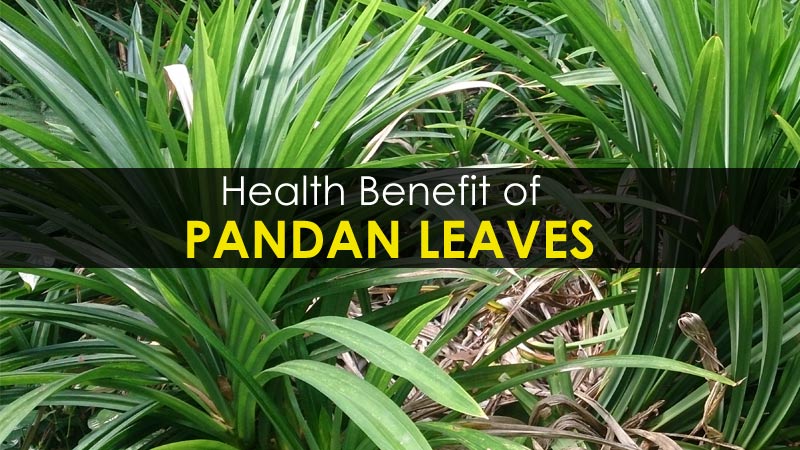
The first encounter often happens innocently, a whisper of a scent from a vibrant green dessert. A slice of chiffon cake, a scoop of ice cream, a delicate custard – each infused with that unmistakable, intoxicating aroma. Pandan. Pandanus amaryllifolius. For many in the Western world, it’s a relatively recent culinary darling, the "vanilla of Southeast Asia," celebrated for its unique, almost impossible-to-describe fragrance – a symphony of nutty, grassy, floral, and subtly sweet notes. It’s the captivating emerald hue, the exotic allure, the taste of distant lands.
But to relegate pandan solely to the realm of culinary delight is akin to admiring a masterpiece only for its frame. Beneath its verdant leaves and captivating aroma lies a profound story, a testament to nature’s quiet power, woven into the fabric of traditional medicine and daily life across Asia for centuries. It’s a story of healing, resilience, and holistic well-being that stretches far "beyond the cake."
My own journey into the deeper world of pandan began not in a bustling market, but in the quiet contemplation of a small, potted plant gifted to me. Its long, sword-like leaves, radiating a subtle fragrance even when undisturbed, seemed to hum with an ancient energy. The more I learned, the more I realized that this unassuming botanical was a silent sage, a verdant guardian, holding secrets far more potent than its delicious contribution to dessert. It became clear that pandan isn’t just an ingredient; it’s a living pharmacy, a natural adaptogen, a humble hero in the vast lexicon of herbal medicine.
For the knowledgeable palate, the discerning mind, and the soul seeking a deeper connection with the natural world, let us peel back the layers of this extraordinary plant. Let us venture beyond the kitchen and into the heart of pandan’s profound healing capabilities, exploring seven properties that might just redefine your understanding of this green marvel.
The Unveiling: A Journey into Pandan’s Therapeutic Core
Our ancestors, intimately connected with their environment, didn’t need double-blind studies to understand the power of plants. They observed, experimented, and passed down wisdom through generations. Pandan, in their hands, was more than a flavor enhancer; it was a remedy, a comfort, a daily dose of wellness. Modern science is only now beginning to catch up, isolating the bioactive compounds that underpin this ancient wisdom, revealing the scientific basis for what generations already knew.
1. The Calming Embrace: Stress and Anxiety Reduction (Nature’s Anxiolytic)
In our fast-paced, hyper-connected world, stress is an unwelcome constant, a gnawing presence that erodes our well-being. The quest for calm often leads us down complex paths, but sometimes, the answer lies in the simplest of botanicals. Pandan, it turns out, is a potent ally in this battle.
The very scent of pandan is often described as soothing and uplifting. This isn’t merely subjective pleasantry; it’s rooted in the plant’s volatile compounds, particularly 2-acetyl-1-pyrroline, the primary aromatic compound responsible for its signature fragrance. This compound, along with others like linalool and geraniol (also found in lavender and roses), interacts with our olfactory system, sending signals to the limbic system – the brain’s emotional center. The result? A gentle cascade of relaxation.
Traditional practices across Southeast Asia have long utilized pandan for its calming effects. Fresh pandan leaves are often placed under pillows to induce sleep and ward off anxiety-induced insomnia. Infusions of dried pandan leaves are consumed as a calming tea, particularly before bedtime or during periods of heightened stress. The act of breathing in its aroma, whether from a freshly crushed leaf or a steaming cup of tea, is akin to a natural aromatherapy session, grounding the senses and quieting the mind.
While rigorous clinical trials on pandan’s anxiolytic effects in humans are still nascent, preliminary studies on its aromatic components support its traditional use. The mechanism is thought to involve the modulation of neurotransmitters, potentially enhancing GABAergic activity, which is responsible for reducing neuronal excitability and inducing a state of calm. For the knowledgeable individual seeking natural ways to mitigate daily stressors, incorporating pandan into evening rituals – a warm tea, a few leaves in a bath, or even a diffuser blend – offers a gentle, fragrant path to tranquility. It’s a simple, ancient wisdom for a very modern ailment.
2. The Gentle Regulator: Blood Sugar Management (A Sweet Ally for a Bitter Problem)
Diabetes and pre-diabetes are global health crises, prompting a desperate search for natural, sustainable ways to manage blood glucose levels. Here, pandan emerges as a surprising, yet historically recognized, player.
For generations, pandan leaves have been brewed into teas and decoctions in Southeast Asian communities as a traditional remedy for individuals struggling with high blood sugar. The wisdom wasn’t based on an understanding of insulin receptors or glucose uptake, but on observed effects: a general feeling of well-being, improved energy, and anecdotal evidence of more stable blood sugar readings.
Modern research is beginning to unravel the science behind this traditional use. Studies suggest that pandan may possess compounds that can help regulate blood glucose in several ways:
- Slowing Sugar Absorption: Certain compounds in pandan, including specific alkaloids and glycosides, may interfere with the enzymes responsible for breaking down complex carbohydrates into simple sugars, thus slowing their absorption into the bloodstream. This prevents sharp spikes in blood glucose after meals.
- Improving Insulin Sensitivity: While more research is needed, some studies indicate that pandan extracts could potentially enhance the body’s sensitivity to insulin, allowing cells to more effectively absorb glucose from the blood.
- Fiber Content: Like many plant foods, pandan contains dietary fiber, which naturally helps to regulate blood sugar by slowing digestion and nutrient absorption.
While pandan should never replace prescribed medication for diabetes, its role as a supportive botanical is significant. For those managing pre-diabetes or looking for dietary adjuncts to maintain healthy blood sugar levels, a daily pandan tea or incorporating fresh leaves into meals (e.g., wrapping fish, flavoring rice) offers a delicious and potentially beneficial strategy. It’s a testament to nature’s intricate design, offering a gentle, green hand in the complex dance of metabolic health.
3. The Gut Whisperer: Digestive Health and Comfort (A Balm for the Belly)
A healthy gut is the cornerstone of overall well-being, influencing everything from immunity to mood. When our digestive system falters, discomfort can range from mild annoyance to debilitating pain. Pandan, with its soothing properties, has long been a trusted ally for digestive woes.
Historically, pandan has been used in folk medicine to alleviate a range of gastrointestinal issues, including indigestion, flatulence, cramps, and even mild cases of diarrhea. The mechanism lies in a combination of factors:
- Anti-inflammatory Action: The presence of various phytochemicals, including flavonoids and phenolic compounds, endows pandan with anti-inflammatory properties. This can soothe an irritated gut lining, reducing inflammation that often contributes to digestive discomfort.
- Carminative Effects: Pandan is traditionally considered a carminative, meaning it helps to expel gas from the digestive tract, thereby reducing bloating and discomfort. The volatile oils contribute to this effect.
- Mild Laxative/Diuretic: In some traditional uses, pandan is employed for its gentle cleansing properties, aiding in the smooth passage of waste and supporting detoxification, which indirectly benefits gut health.


Post Comment