The Emerald Elixir: Can Pandan Water Help Regulate Glucose Levels? An Unfolding Story
The whispers began in the bustling markets and serene villages of Southeast Asia, carried on the sweet, vanilla-like scent of a humble leaf. For centuries, Pandanus amaryllifolius, commonly known as pandan, has graced the culinary landscape, imbuing dishes with its unique aroma and vibrant green hue. But beyond the realm of gastronomy, a more profound question has steadily gained traction in the global conversation about health: could this beloved plant hold a secret to managing one of the modern world’s most pervasive health crises – blood sugar dysregulation?
In an era where the shadow of diabetes looms large over millions, the quest for natural, sustainable, and culturally resonant solutions is more urgent than ever. While pharmaceutical advancements have offered lifelines, the desire to complement these with dietary and lifestyle interventions, rooted in traditional wisdom, continues to grow. This article embarks on a journey, a story woven from ancient practices, emerging scientific inquiry, and the universal hope for better health, to explore the tantalizing question: Can pandan water truly help regulate glucose levels?
Part 1: The Emerald Jewel of Southeast Asia – Understanding Pandan’s Legacy
Our story begins in the lush, tropical climes where pandan thrives. Imagine verdant groves, the air thick with humidity, and the subtle, intoxicating fragrance that emanates from its long, sword-like leaves. Pandanus amaryllifolius, often referred to as the "vanilla of the East," is more than just a plant; it’s a cultural icon, deeply embedded in the daily lives and rituals of countless communities across Southeast Asia and beyond.
A Botanical Portrait:
Pandan belongs to the Pandanus genus, a group of monocots that includes screw pines. It’s a slender, upright plant that can grow up to two meters tall, characterized by its distinctive long, narrow, bright green leaves arranged in a spiral. Unlike its fruit-bearing cousin, the common screwpine (Pandanus odoratissimus), Pandanus amaryllifolius is primarily cultivated for its aromatic foliage. Its ability to grow easily in tropical and subtropical regions has made it a readily accessible and indispensable part of local ecosystems and economies.
The Heart of Southeast Asian Cuisine:
For millennia, pandan’s primary role has been culinary. Its unique fragrance, often described as a complex blend of vanilla, coconut, almond, and a hint of grassiness, transforms ordinary ingredients into extraordinary experiences. From the fragrant rice dishes like Nasi Lemak and Biryani, where leaves are tied into knots and cooked with the grains, to the vibrant green hue it imparts to cakes, jellies, and traditional sweets like Kueh Lapis and Buko Pandan, pandan is ubiquitous. It flavors refreshing drinks, wraps savory parcels, and even serves as a natural food coloring, a testament to its versatility and appeal. The act of preparing and consuming pandan-infused foods is often a deeply ingrained cultural practice, evoking comfort, tradition, and a sense of home.
Beyond the Plate: A Legacy of Traditional Medicine:
However, pandan’s story doesn’t end in the kitchen. Traditional healing systems, passed down through generations, have long recognized its therapeutic potential. In various parts of Asia, pandan leaves have been employed in folk medicine for a diverse range of ailments. Historically, it has been used as a remedy for pain, particularly headaches and arthritis, thanks to its purported anti-inflammatory properties. Extracts have been applied topically for skin conditions, and infusions have been consumed to alleviate fever, coughs, and even act as a mild laxative. Some traditions suggest its use as a diuretic, and in certain cultures, it’s believed to have properties that aid in wound healing and overall detoxification.
It is within this rich tapestry of traditional medicinal use that the seed of our current inquiry is planted. If pandan holds such diverse therapeutic value, could its influence extend to the intricate mechanisms of blood sugar regulation? The traditional preparation for many of these internal remedies is often a simple infusion – the very essence of "pandan water."
Pandan Water: Simplicity and Tradition:
The preparation of pandan water is remarkably straightforward, reflecting its humble origins. Typically, fresh pandan leaves are thoroughly washed, often bruised or cut to release their aromatic compounds more effectively, and then steeped in hot or cold water. The resulting liquid, ranging from a pale green to a clear, subtly fragrant brew, can be consumed as a refreshing beverage. This simple act of infusion extracts water-soluble compounds from the leaves, making them bioavailable for consumption. It is this unadulterated, accessible form of pandan that forms the core of our investigation into its potential impact on glucose levels.
Part 2: The Silent Epidemic – The Challenge of Blood Sugar Dysregulation
To understand pandan’s potential, we must first grasp the formidable challenge it seeks to address: the global diabetes crisis. Often referred to as a "silent epidemic," diabetes and prediabetes affect hundreds of millions worldwide, silently eroding health and quality of life.
Diabetes: A Brief Overview:
At its heart, diabetes is a chronic metabolic disorder characterized by elevated levels of glucose (sugar) in the blood. This occurs either because the body does not produce enough insulin (a hormone that regulates blood sugar), or because it cannot effectively use the insulin it produces, or a combination of both.
- Type 1 Diabetes: An autoimmune condition where the body’s immune system mistakenly attacks and destroys the insulin-producing beta cells in the pancreas. It typically develops in childhood or adolescence and requires lifelong insulin therapy.
- Type 2 Diabetes: The most common form, accounting for about 90-95% of all cases. It usually develops gradually, often linked to lifestyle factors such as poor diet, lack of physical activity, and obesity. In Type 2 diabetes, the body either becomes resistant to the effects of insulin (insulin resistance) or doesn’t produce enough insulin to maintain normal glucose levels.
- Gestational Diabetes: Develops during pregnancy and usually resolves after childbirth, though it increases the mother’s and child’s risk of developing Type 2 diabetes later in life.
For the purpose of dietary interventions like pandan water, our primary focus lies on Type 2 diabetes and the preceding state of prediabetes, where early lifestyle modifications can significantly alter disease progression.
The Symphony of Glucose Regulation:
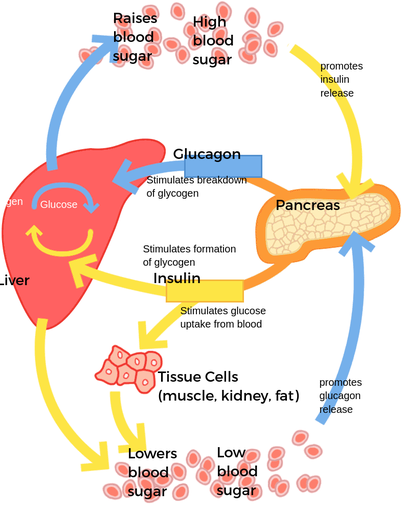
Maintaining stable blood sugar levels is a delicate physiological dance orchestrated by several key players. When we eat, carbohydrates are broken down into glucose, which enters the bloodstream. This signals the pancreas to release insulin. Insulin acts as a key, unlocking cells (primarily muscle and fat cells) to allow glucose to enter and be used for energy or stored for later. The liver also plays a crucial role, storing glucose as glycogen and releasing it when blood sugar levels drop. Glucagon, another pancreatic hormone, counteracts insulin’s effects by signaling the liver to release stored glucose, preventing hypoglycemia (low blood sugar).
In Type 2 diabetes, this symphony goes awry. Insulin resistance means cells don’t respond effectively to insulin’s signal, leaving glucose trapped in the bloodstream. The pancreas initially tries to compensate by producing more insulin, but over time, its beta cells can become exhausted and fail, leading to insufficient insulin production. The result is chronic hyperglycemia – high blood sugar.
The Far-Reaching Consequences:
The long-term effects of uncontrolled blood sugar are devastating. Chronic hyperglycemia damages blood vessels and nerves throughout the body, leading to a cascade of complications:


Post Comment