Fire Up Your Fat Loss: The Unsung Saga of Jalapeños in Thermogenesis
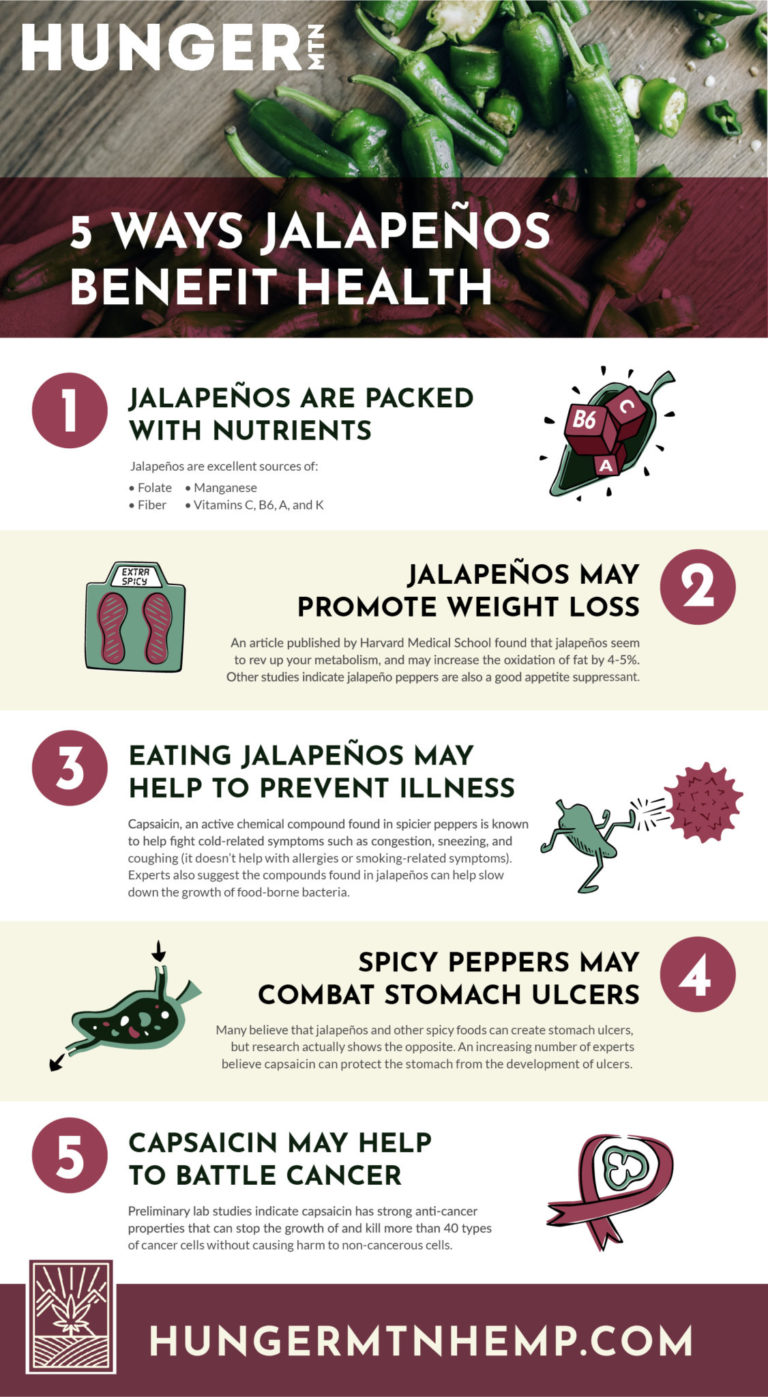
Chapter 1: The Quest for the Metabolic Spark – A Modern Dilemma
In the grand narrative of human health, few sagas are as enduring, or as fraught with challenges, as the quest for optimal metabolic function and sustainable fat loss. We live in an era of unprecedented nutritional abundance, yet simultaneously grapple with a widespread metabolic imbalance. The quest for a leaner, healthier physique often leads us down complex paths, through labyrinths of diet trends, exercise regimens, and an ever-growing array of supplements. Yet, sometimes, the most potent allies in this journey are found not in exotic superfoods or synthesized compounds, but in the humble, vibrant ingredients that have graced our tables for centuries.
Among these unassuming heroes, one stands out, often relegated to the role of a mere flavour enhancer or a test of one’s spice tolerance: the jalapeño pepper. With its characteristic green hue, robust crunch, and a heat that dances between a gentle warmth and a spirited kick, the jalapeño has long been celebrated in culinary traditions across the globe. But what if this unassuming pepper holds a key, a fiery secret, to unlocking one of our body’s most powerful metabolic processes – thermogenesis – thereby becoming an unexpected champion in the intricate story of fat loss? This is the story of how a pepper, rich in a remarkable compound, ignites an internal furnace, turning up the heat on our metabolism and reshaping our understanding of natural weight management.
Our journey begins not with a dramatic discovery in a high-tech lab, but with the subtle, yet profound, sensation of heat. That familiar warmth, that gentle burn that spreads across the palate and then throughout the body after biting into a jalapeño, is more than just a fleeting sensory experience. It is a biological signal, a chemical conversation between a plant compound and our cellular machinery, whispering promises of enhanced energy expenditure and a re-ignited metabolic engine. For the knowledgeable audience, those who understand the intricate dance of hormones, enzymes, and cellular pathways, this tale will reveal the profound science behind that simple burn, transforming the jalapeño from a mere ingredient into a potent, accessible tool for metabolic optimization.
Chapter 2: The Fiery Heart of the Matter – Unpacking the Jalapeño’s Power
Before we delve into the intricate biochemistry of thermogenesis, let’s first pay homage to our protagonist: the Capsicum annuum, specifically the cultivar known as the jalapeño. Originating in Mexico, this medium-sized chili pepper derives its name from Xalapa (also spelled Jalapa), Veracruz, where it was traditionally cultivated. Its popularity has since exploded globally, finding its way into salsas, stir-fries, marinades, and even desserts, a testament to its versatile flavour profile and approachable heat.
The jalapeño’s signature characteristic, its pungency or "heat," is attributed to a family of chemical compounds known as capsaicinoids. Of these, capsaicin is the most abundant and biologically active. It is capsaicin that is the true hero of our story, the molecular spark plug that ignites the thermogenic response. The intensity of this heat is quantified using the Scoville Heat Unit (SHU) scale. While a bell pepper registers 0 SHU, and the notorious Carolina Reaper can exceed 2 million SHU, the jalapeño typically ranges between 2,500 and 8,000 SHU. This moderate heat level makes it palatable for a wider audience, allowing for consistent incorporation into the diet without the overwhelming intensity of hotter peppers, a crucial factor for sustained dietary adherence and long-term benefits.
Capsaicinoids are fascinating phytochemicals, belonging to the alkaloid family. They are lipid-soluble, meaning they readily dissolve in fats, which explains why dairy products like milk or yogurt are often recommended to quell the burn, as the fat molecules help to dissolve and wash away the capsaicin. But their solubility also hints at their ability to traverse biological membranes, enabling them to interact with specific receptors within our bodies, setting the stage for their remarkable metabolic effects. Understanding the chemical nature and relative pungency of the jalapeño is the first step in appreciating its potential beyond mere culinary delight, as it lays the groundwork for comprehending how it actively engages with our internal physiological landscape.
Chapter 3: Thermogenesis Unleashed – The Body’s Internal Furnace
To fully appreciate the jalapeño’s role, we must first understand the intricate process of thermogenesis. At its core, thermogenesis is the production of heat in the body. It’s a fundamental physiological process, vital for maintaining core body temperature (homeostasis) and for regulating energy balance. In the context of fat loss, we are particularly interested in how thermogenesis contributes to increasing our total daily energy expenditure (TDEE).
Our bodies expend energy in several ways:
- Basal Metabolic Rate (BMR): The energy required to maintain basic bodily functions at rest (breathing, circulation, cell production).
- Physical Activity (PA): Energy expended through movement and exercise.
- Thermic Effect of Food (TEF) or Diet-Induced Thermogenesis (DIT): The energy required to digest, absorb, and metabolize the nutrients from food.
Thermogenesis encompasses aspects of both BMR (e.g., non-shivering thermogenesis for warmth) and TEF. When we speak of "firing up" fat loss through thermogenesis, we are primarily referring to increasing the body’s energy expenditure beyond its basal needs, particularly through mechanisms that involve the burning of calories to produce heat, rather than to perform mechanical work.
There are several types of thermogenesis:
- Shivering Thermogenesis: Heat produced by involuntary muscle contractions in response to cold. While effective, it’s not a sustainable or practical strategy for fat loss.
- Non-Shivering Thermogenesis: Heat production independent of muscle contraction. This is where our story with capsaicin truly unfolds. It primarily involves metabolic processes in tissues like brown adipose tissue (BAT) and skeletal muscle, often mediated by the sympathetic nervous system.
- Diet-Induced Thermogenesis (DIT): As mentioned, this is the energy cost of processing food. Different macronutrients have varying TEFs (protein > carbohydrates > fats). Capsaicin significantly enhances DIT, making the metabolic cost of eating even higher.
The significance of thermogenesis in fat loss cannot be overstated. An increase in heat production directly translates to an increase in calorie expenditure. If this expenditure exceeds calorie intake, a negative energy balance is created, leading to the mobilization and oxidation of stored fat. For individuals struggling with a sluggish metabolism, or those seeking an edge in their fat loss journey, naturally stimulating thermogenesis offers a compelling and sustainable pathway. It is a means to turn the body into a more efficient, calorie-burning machine, even at rest.
Chapter 4: The Capsaicin Connection – Igniting the Metabolic Spark
Now, let us draw the direct line from the humble jalapeño to the sophisticated machinery of human thermogenesis. The magic lies in capsaicin’s unique ability to interact with specific receptors in our bodies. The primary target receptor for capsaicin is the Transient Receptor Potential Vanilloid 1 (TRPV1), often dubbed the "capsaicin receptor."
TRPV1 is a non-selective cation channel primarily expressed in sensory neurons, particularly nociceptors (pain-sensing neurons), and plays a crucial role in detecting and regulating body temperature. When capsaicin binds to TRPV1, it triggers an influx of calcium ions into the cell, depolarizing the neuron and sending a signal to the brain. This is why we perceive capsaicin as "hot" or "burning" – it’s literally activating the same pathways that respond to physical heat.
However, the action of capsaicin extends far beyond a mere sensory experience. This activation of TRPV1 sets off a cascade of physiological events that directly contribute to increased thermogenesis:




Post Comment