A Love Letter to Your Arteries: The Cardiovascular Benefits of Beets
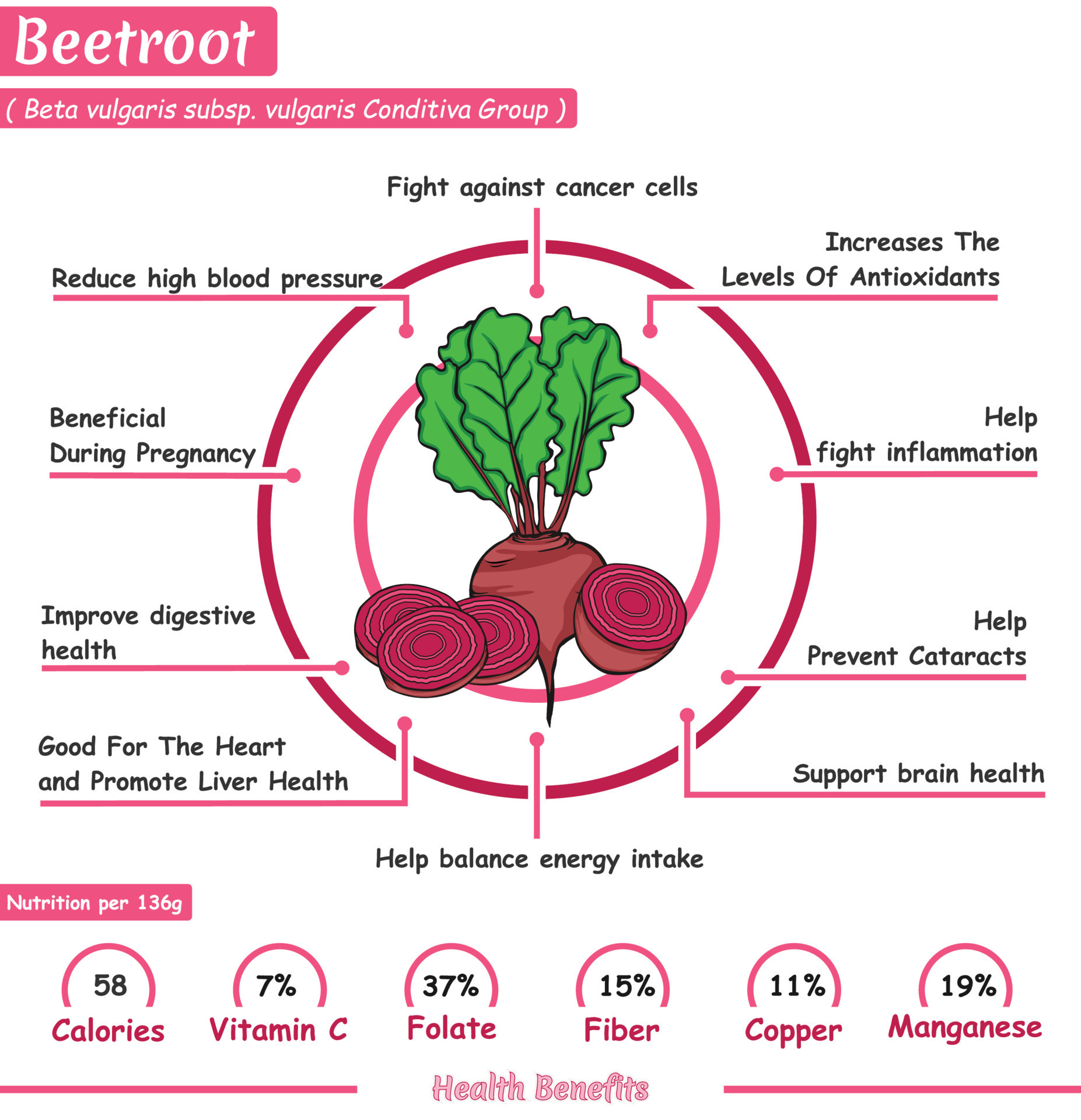
In the grand tapestry of human health, few organs command as much quiet reverence and constant effort as the heart and its intricate network of arteries. They are the indefatigable pump and the silent highways, working tirelessly, moment after moment, beat after beat, to sustain life. Yet, in our fast-paced world, these vital systems often bear the brunt of modern living, facing challenges from stress, diet, and sedentary habits. We spend fortunes on pharmaceutical interventions, meticulously crafted to mend what has broken, to patch what has frayed. But what if one of nature’s most unassuming creations held a key, not just to repair, but to robust, preventative cardiovascular health? What if a humble root vegetable, often relegated to the side dish or the pickling jar, could pen a heartfelt "love letter" directly to your arteries, offering rejuvenation, protection, and unparalleled support?
This is the story of the beet – a vibrant, earthy marvel whose deep crimson hue hints at the profound physiological benefits hidden within. Far from being merely a culinary curiosity, the beetroot is a nutritional powerhouse, a biochemical symphony working in concert to optimize the very foundation of your cardiovascular well-being. For the knowledgeable seeker of health, this exploration will delve beyond superficial claims, unearthing the intricate mechanisms and scientific revelations that position the beet as a formidable ally in the fight for a healthy heart and resilient arteries. Prepare to rediscover a root that deserves not just a place on your plate, but a starring role in your journey towards optimal cardiovascular vitality.
Chapter 1: The Nitric Oxide Symphony – The Maestro of Vasodilation
Imagine a superhighway, bustling with traffic, but suddenly, congestion builds, lanes narrow, and the flow grinds to a halt. This is akin to what happens in our arteries when they lose their elasticity, constrict, and impede the smooth passage of blood. The solution? A biological traffic controller, a maestro capable of orchestrating the widening of these vital pathways. In the human body, that maestro is Nitric Oxide (NO), a simple yet profoundly important signaling molecule. And beets, my friends, are the principal conductor, providing the raw materials for this life-sustaining symphony.
The magic begins with dietary nitrates, abundant in beets. Unlike the nitrates found in processed meats, which can be problematic, plant-based nitrates are a different biochemical beast, initiating a cascade of beneficial reactions. When you consume beets, these nitrates are absorbed into your bloodstream. But here’s where the story gets fascinating and a little surprising: the initial conversion doesn’t happen in your stomach or liver. It happens in your mouth.
Our oral microbiome, a bustling city of bacteria, plays a crucial, often overlooked, role. Specific commensal bacteria on the tongue and in the saliva reduce dietary nitrates (NO3-) into nitrites (NO2-). This step is absolutely critical. Think of these bacteria as the first set of artisans, meticulously preparing the raw material for the grand performance. Without them, a significant portion of the beet’s cardiovascular power is lost. This is why antiseptic mouthwashes, while effective at killing "bad" bacteria, can inadvertently diminish the benefits of dietary nitrates by wiping out the "good" bacteria essential for this conversion.
Once converted to nitrites, these molecules are swallowed and absorbed into the bloodstream. In the acidic environment of the stomach and under conditions of low oxygen (hypoxia) or specific enzymatic reactions within the tissues, nitrites are further reduced into the star of our show: Nitric Oxide (NO).
Nitric Oxide is a gaseous molecule with an incredibly short half-life, but its impact is immense. Its primary role in cardiovascular health is as a potent vasodilator. It acts directly on the smooth muscle cells that line the walls of your arteries and arterioles, causing them to relax and expand. This relaxation leads to a widening of the blood vessels, immediately reducing peripheral resistance and improving blood flow throughout the body.
Consider the implications of this vasodilation:
-
Lowered Blood Pressure: As blood vessels widen, the pressure within them decreases. Numerous clinical studies and meta-analyses have unequivocally demonstrated that regular consumption of beetroot juice significantly lowers both systolic and diastolic blood pressure. This effect can be observed acutely (within hours of consumption) and chronically with consistent intake. For individuals battling hypertension, often called the "silent killer," this natural intervention offers a powerful, drug-free avenue for management. The degree of reduction can be comparable to some pharmaceutical interventions, making it an exciting area of research for preventative cardiology.
-
Enhanced Oxygen Delivery: With wider, more relaxed blood vessels, blood can flow more freely and efficiently, delivering oxygen and vital nutrients to every cell and tissue in the body. This is particularly beneficial for organs that demand high oxygen supply, such as the heart and skeletal muscles. For athletes, this translates into improved exercise performance, reduced oxygen cost during exertion, and enhanced endurance, pushing the boundaries of physical capability.
-
Improved Endothelial Function: The endothelium, the delicate inner lining of blood vessels, is a critical player in cardiovascular health. A healthy endothelium produces its own NO (endogenous NO), but in conditions like atherosclerosis, hypertension, and diabetes, endothelial function becomes impaired, leading to reduced endogenous NO production. Dietary nitrates from beets can bypass this impaired endogenous pathway, providing an alternative source of NO and thereby improving overall endothelial health and responsiveness. This is a crucial distinction, as it means beets can still be effective even when the body’s own NO production is compromised.
-
Beyond Vasodilation: While vasodilation is NO’s most famous role, its benefits extend further. NO also possesses anti-inflammatory properties, helping to quell the chronic low-grade inflammation that underpins many cardiovascular diseases. It acts as an anti-platelet agent, discouraging platelets from sticking together and forming dangerous clots that can lead to heart attacks and strokes. Furthermore, NO plays a role in mitochondrial function, optimizing the energy factories within our cells, ensuring they operate efficiently and produce less harmful reactive oxygen species.
The Nitric Oxide pathway initiated by beets is a testament to the intricate wisdom of nature, offering a profound, multi-pronged approach to cardiovascular health. It’s not just about lowering a number on a blood pressure cuff; it’s about restoring arterial elasticity, enhancing circulation, and nurturing the very vessels that sustain our lives, all through the simple act of consuming a vibrant root.
Chapter 2: The Antioxidant Arsenal – Shielding Your Vessels from Within
If the Nitric Oxide pathway is the active construction crew diligently widening and maintaining our arterial highways, then the antioxidant compounds in beets are the vigilant protectors, standing guard against the forces of degradation and decay. The constant bombardment of our cells by free radicals leads to a process known as oxidative stress, a silent but insidious enemy that plays a pivotal role in the initiation and progression of cardiovascular diseases, particularly atherosclerosis.
Imagine these free radicals as tiny, rogue particles, unstable and highly reactive, akin to sparks flying unchecked in a dry forest. They damage cellular components, including the delicate lipids in cell membranes and, crucially, the low-density lipoprotein (LDL) cholesterol that circulates in our blood. When LDL cholesterol becomes oxidized, it becomes far more prone to accumulating in the arterial walls, forming the fatty streaks and plaques that characterize atherosclerosis. This process, in turn, impairs endothelial function, reduces NO bioavailability, and sets the stage for a host of cardiovascular complications.
Enter the beet, armed with a formidable arsenal of antioxidant compounds, chief among them being the unique and powerfully protective betalains. These vibrant pigments are responsible for the beet’s characteristic deep red and yellow hues, but their beauty is far from superficial. Betalains are divided into two main groups:


Post Comment