Red Gold: Understanding the Science Behind Beetroot’s Anti-Inflammatory Power
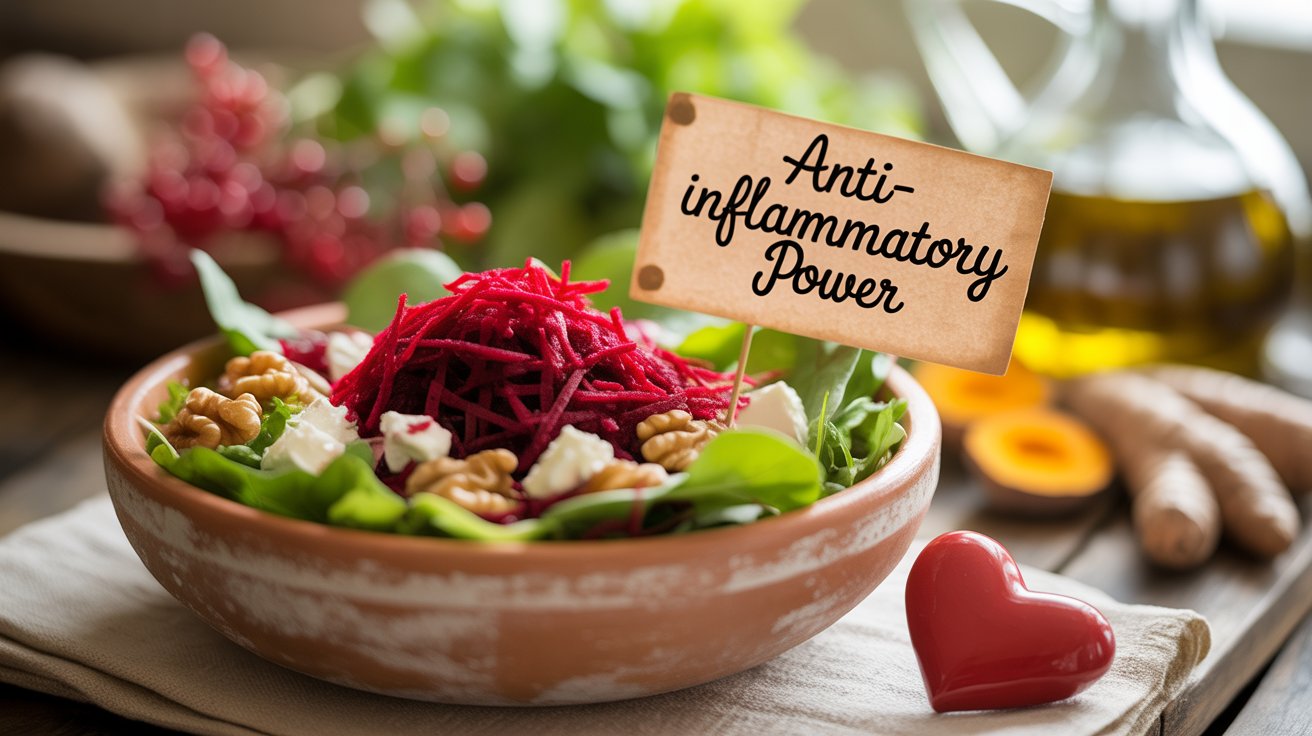
In the vast tapestry of nature’s offerings, certain elements stand out not just for their aesthetic appeal but for their profound biological significance. Among these, the humble beetroot, a root vegetable steeped in history and vibrant with color, shines as a veritable "Red Gold." Far more than just a culinary delight, this crimson orb harbors a complex arsenal of bioactive compounds, meticulously engineered by nature to protect, heal, and invigorate. For the knowledgeable mind, the allure of beetroot lies not merely in its striking hue but in the intricate dance of molecules that orchestrate its formidable anti-inflammatory power.
This is a story that begins in the soil, travels through ancient civilizations, and culminates in the sophisticated laboratories of modern science, revealing how Beta vulgaris has earned its place as a cornerstone of functional nutrition. It’s a journey into the cellular and molecular mechanisms that transform this earthy root into a potent ally against chronic inflammation – a silent epidemic underpinning a myriad of contemporary health challenges.
The Allure of the Crimson Orb: A Historical Prelude
Before delving into the molecular intricacies, it’s worth acknowledging the beetroot’s enduring legacy. Originating from the wild sea beet (Beta maritima), beetroot has been cultivated for millennia, initially for its leaves, and later for its sweet, earthy root. Ancient Greeks and Romans revered it, not only as a food source but as a medicinal plant, using it to treat fevers, digestive issues, and even as an aphrodisiac. Its distinctive red juice was once used as a natural dye, and its presence graced royal tables and peasant stews alike. This long history of appreciation, though initially empirical, foreshadowed the scientific revelations that would later validate its ancient wisdom.
Today, beetroot’s resurgence in popularity is driven by a growing understanding of its comprehensive nutritional profile. Rich in vitamins, minerals, and fiber, it offers a holistic package of health benefits. However, it is its specific cohort of phytochemicals, particularly the vibrant betalains and the ubiquitous nitrates, that propel it into the spotlight as a potent anti-inflammatory agent.
Unearthing the Treasure Chest: A Nutritional Overview
To truly appreciate beetroot’s anti-inflammatory prowess, one must first understand its broader nutritional landscape. It is a low-calorie, nutrient-dense food, providing essential vitamins like C and folate, and minerals such as potassium, manganese, and iron. Its fiber content supports gut health, a crucial factor in modulating systemic inflammation. Yet, these are merely the foundational stones upon which its more specialized anti-inflammatory architecture is built. The true "Red Gold" lies within its unique bioactive compounds, each playing a distinct yet synergistic role in extinguishing the fires of inflammation.
The Guardians of the Red Gold: Betalains – Nature’s Pigments of Power
At the heart of beetroot’s striking crimson color, and arguably its most distinctive anti-inflammatory component, are the betalains. These nitrogen-containing pigments are powerful antioxidants and anti-inflammatory agents, unique to certain plant families like the Cactaceae, Amaranthaceae, and, crucially, the Chenopodiaceae, which includes beetroot. Unlike anthocyanins (found in berries and red cabbage), betalains are not pH-dependent for their color stability, making them resilient and effective across various biological environments.
Betalains are broadly classified into two groups:
- Betacyanins: Red-violet pigments, primarily responsible for beetroot’s deep red color. The most prominent betacyanin in beetroot is betanin, followed by isobetanin, probetanin, and neobetanin.
- Betaxanthins: Yellow-orange pigments, such as vulgaxanthin I and II, which also contribute to the beet’s overall spectrum of health benefits.
The scientific narrative of betalains’ anti-inflammatory action is multifaceted:
- Direct Antioxidant Scavenging: Betalains are exceptional free radical scavengers. They possess a unique chemical structure, including a conjugated double-bond system and a high number of hydroxyl groups, which allows them to effectively donate electrons and neutralize reactive oxygen species (ROS) and reactive nitrogen species (RNS). This direct quenching of oxidative stress is paramount, as oxidative stress is a primary initiator and perpetuator of inflammatory cascades. By reducing the burden of free radicals, betalains prevent cellular damage that would otherwise trigger inflammatory responses.
- Inhibition of Pro-inflammatory Enzymes: Research indicates that betalains can directly inhibit the activity of key enzymes involved in inflammation. For instance, they have been shown to modulate cyclooxygenase-2 (COX-2), an enzyme responsible for the production of pro-inflammatory prostaglandins. This mechanism is akin to how non-steroidal anti-inflammatory drugs (NSAIDs) work, but with a natural origin and potentially fewer side effects. Additionally, betalains can inhibit lipoxygenase (LOX) enzymes, which are involved in the synthesis of leukotrienes, another class of potent inflammatory mediators.
- Modulation of Inflammatory Gene Expression: Beyond direct enzyme inhibition, betalains exert their influence at a deeper, genetic level. They have been demonstrated to downregulate the expression of genes associated with pro-inflammatory cytokines and chemokines. This involves interference with crucial signaling pathways, notably the NF-κB (Nuclear Factor kappa-light-chain-enhancer of activated B cells) pathway. NF-κB is a master regulator of inflammation, controlling the expression of numerous genes involved in immune and inflammatory responses. By inhibiting NF-κB activation, betalains effectively put a brake on the cellular machinery that produces inflammatory molecules like TNF-α, IL-1β, and IL-6.
- Protection Against Oxidative Damage to Lipids and Proteins: Inflammation is often accompanied by lipid peroxidation and protein carbonylation. Betalains protect cellular components, including lipoproteins (like LDL) and DNA, from oxidative damage, thereby preventing the formation of pro-inflammatory advanced glycation end products (AGEs) and contributing to overall cellular integrity.
The bioavailability of betalains, once a subject of debate, has been confirmed in human studies, demonstrating their absorption and presence in the bloodstream, where they can exert their systemic effects. This confirms that the vibrant color is not just skin deep; it is a marker of profound biological activity.
The Invisible Architects: Nitrates – A Symphony of Vasodilation and Beyond
While betalains provide the vivid color and a direct anti-inflammatory punch, another unsung hero in beetroot’s arsenal is its exceptionally high concentration of dietary nitrates (NO3-). Unlike the nitrates found in processed meats (which can be converted to harmful nitrosamines under certain conditions), plant-based nitrates are benign and, in fact, profoundly beneficial.
The magic of dietary nitrates unfolds through the nitrate-nitrite-nitric oxide (NO) pathway:
- Dietary Nitrate (NO3-) Intake: When beetroot is consumed, its nitrates are absorbed into the bloodstream.
- Salivary Reduction to Nitrite (NO2-): A significant portion of these circulating nitrates is concentrated in saliva and then reduced to nitrites by commensal anaerobic bacteria residing on the tongue. This step is crucial and highlights the importance of oral hygiene for optimal NO production.
- Nitrite (NO2-) Reduction to Nitric Oxide (NO): The nitrites are then swallowed and enter the acidic environment of the stomach, where some are converted to nitric oxide. The remaining nitrites are absorbed into the circulation, where they can be further reduced to NO by various enzymes and proteins (e.g., deoxyhemoglobin, xanthine oxidoreductase, and mitochondrial enzymes), particularly under conditions of low oxygen (hypoxia).


Post Comment