The Nitrate Effect: How Beetroots Naturally Support Healthy Blood Pressure
The Silent Thief: Understanding the Global Challenge of Hypertension
In the quiet corridors of our bodies, an insidious condition often takes root without a whisper, stealthily tightening its grip on our most vital system: the cardiovascular network. Hypertension, or high blood pressure, is frequently dubbed the "silent killer" because it typically presents no overt symptoms in its early stages, yet it relentlessly increases the risk of heart disease, stroke, kidney failure, and other severe health complications. Globally, it affects an estimated 1.13 billion people, making it one of the most pervasive public health challenges of our time.
For decades, the medical community has grappled with effective strategies to combat this widespread threat. Traditional approaches often involve pharmaceutical interventions, which, while undeniably life-saving for many, frequently come with a spectrum of side effects and the lifelong commitment of daily medication. This reality has spurred a growing interest in natural, dietary-based interventions – a quest for solutions that are not only effective but also accessible, sustainable, and free from the adverse reactions often associated with synthetic drugs.
It is into this landscape of urgent need and scientific curiosity that a humble, earthy root vegetable has emerged from the depths of our gardens and kitchens, garnering significant attention for its remarkable potential: the beetroot. Often relegated to the side dish or the occasional borscht, the beetroot is now stepping into the spotlight, hailed not just for its vibrant crimson hue or its distinctive flavour, but for a profound physiological mechanism it unleashes within us, a process known as "The Nitrate Effect." This story is about unearthing the science behind this effect, exploring how beetroots naturally support healthy blood pressure, and understanding why this unassuming root might just be a powerful ally in our ongoing battle against hypertension.
Unearthing the Power: Beetroot’s Ancient Roots and Modern Rediscovery
Before delving into the intricate science, it’s worth acknowledging the beetroot’s long and varied history. Originating in prehistoric times, wild beet varieties were first cultivated in the Mediterranean region, initially for their leaves (similar to Swiss chard) rather than their roots. The root’s sweet, earthy flesh, as we know it today, gained popularity much later, becoming a staple in European cuisine by the 16th century. Historically, various cultures have intuitively recognized the health benefits of beets, using them in folk medicine for everything from liver ailments to fevers, though the specific mechanisms remained a mystery.
Fast forward to the late 20th and early 21st centuries, and scientific curiosity began to zero in on this vibrant vegetable. Researchers observed anecdotal evidence and then systematic studies indicating that beetroot consumption could lead to a measurable reduction in blood pressure. The initial challenge was to pinpoint why. What was the active ingredient? What was the physiological pathway? The answer, surprisingly, lay in compounds that had long been viewed with suspicion in other contexts: dietary nitrates.
The Nitrate Paradox: From Villain to Vascular Virtuoso
For many years, the term "nitrate" was largely associated with processed meats like bacon and hot dogs, often linked to health concerns due to their conversion into nitrites and then potentially carcinogenic nitrosamines under certain conditions. This association created a public perception that all nitrates were inherently bad. However, scientists began to differentiate between the nitrates found in processed foods and those found abundantly in natural plant sources, particularly leafy greens and root vegetables like beetroot. This distinction proved to be crucial.
The nitrates in vegetables are a completely different biological entity. They are naturally occurring compounds, absorbed by plants from the soil, and they play a vital role in the plant’s metabolism. When consumed by humans, these plant-derived nitrates embark on a remarkable journey through the body, initiating a cascade of events that culminates in the relaxation and dilation of blood vessels – precisely what is needed to lower blood pressure. This is the essence of The Nitrate Effect.
The Journey of a Molecule: Tracing the Nitrate-Nitrite-Nitric Oxide Pathway
To truly appreciate the nitrate effect, we must trace the fascinating journey of dietary nitrates through the human body. It’s a multi-step process, a carefully orchestrated symphony involving our digestive system, our oral microbiome, and the intricate workings of our circulatory system.
Step 1: Ingestion and Absorption.
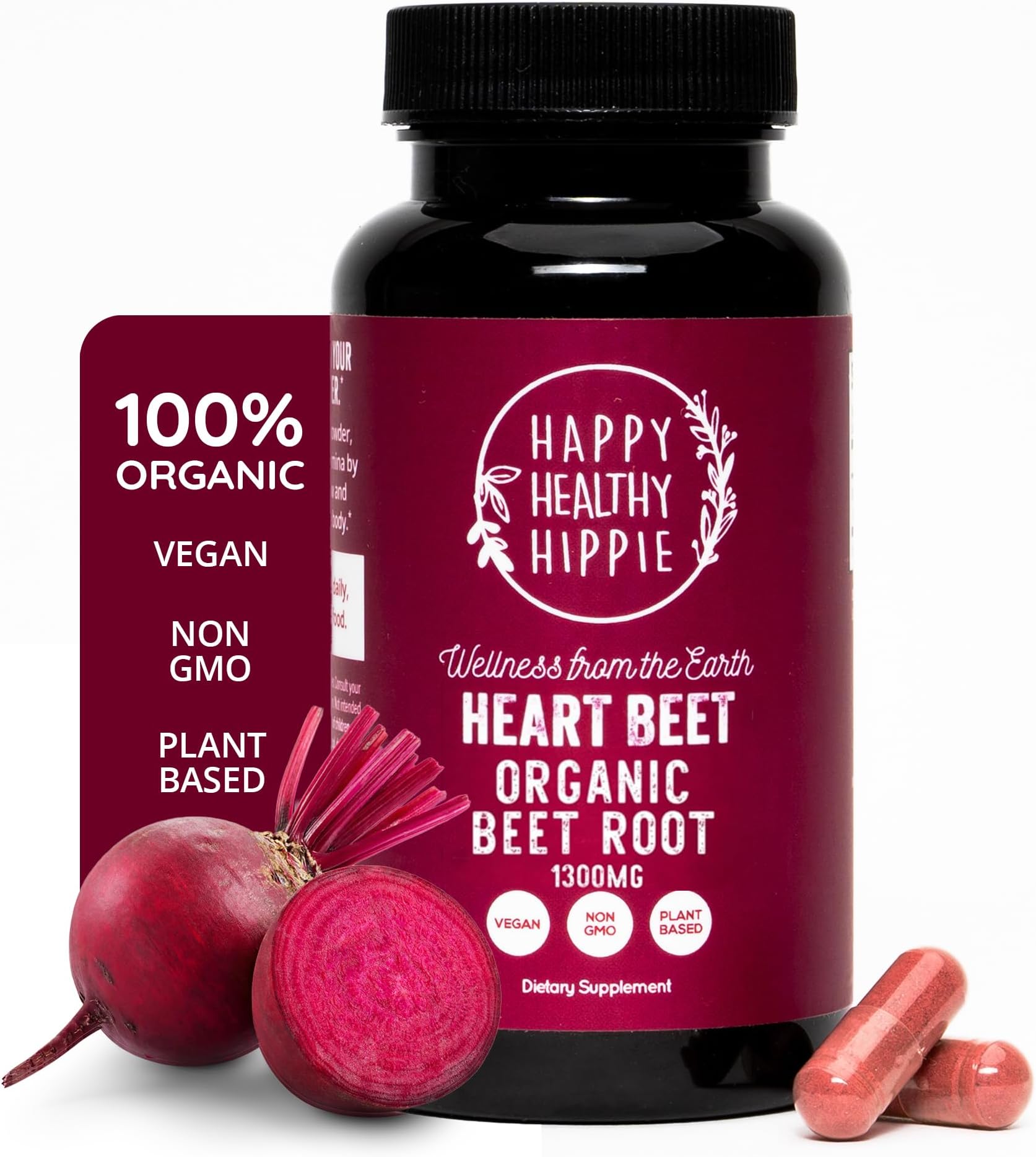
The journey begins when we consume beetroot, either whole, juiced, or in supplement form. The high concentration of inorganic nitrate (NO3-) in the beetroot is readily absorbed in the upper gastrointestinal tract, primarily the small intestine, and then rapidly enters the bloodstream.
Step 2: The Salivary Gland’s Secret.
What happens next is perhaps the most unexpected and critical step in the entire process. Approximately 25% of the absorbed nitrate in the blood is actively taken up by the salivary glands and then secreted into the saliva. This means that after you’ve swallowed your beetroot juice, a significant portion of its active compounds are actually recirculated back into your mouth!
Step 3: The Oral Microbiome – Our Unsung Heroes.
Here’s where our body’s microscopic residents play a starring role. Our oral cavity is teeming with a diverse community of bacteria, collectively known as the oral microbiome. Certain species of these commensal bacteria, particularly those residing on the back of the tongue, possess specific enzymes called nitrate reductases. These enzymes are capable of reducing inorganic nitrate (NO3-) into nitrite (NO2-). This conversion is paramount; without these helpful bacteria, the entire pathway would largely grind to a halt. This also highlights why mouthwashes that indiscriminately kill oral bacteria can inadvertently interfere with the nitrate effect, diminishing its blood-pressure-lowering potential.
Step 4: Swallowing the Solution.
Once the nitrate has been reduced to nitrite in the saliva, we swallow this nitrite-rich saliva back down into our stomach.
Step 5: The Acidic Conversion in the Stomach.
The acidic environment of the stomach provides the perfect conditions for the next crucial conversion. In this low pH setting, nitrite (NO2-) is rapidly converted into nitric oxide (NO). Nitric oxide is a gas, a simple molecule, but its biological role is anything but simple.
Step 6: Nitric Oxide – The Endothelial Maestro.
Nitric oxide (NO) is a potent signaling molecule, a gaseous messenger, that plays a myriad of roles throughout the body, most notably in cardiovascular health. Once generated, particularly within the bloodstream and directly at the endothelial lining of blood vessels, NO acts as a powerful vasodilator.
To understand vasodilation, imagine your blood vessels as flexible tubes. When they are constricted or narrowed, the pressure inside them increases – much like turning on a faucet in a garden hose with a thumb over the nozzle. Nitric oxide, acting as a natural relaxant, signals the smooth muscle cells in the walls of the arteries and arterioles to relax. This relaxation causes the vessels to widen, or dilate, which in turn reduces the resistance to blood flow and consequently lowers blood pressure. It’s like removing the thumb from the hose – the pressure immediately drops.
This entire sequence, often referred to as the "enterosalivary circulation of nitrate," is a beautifully intricate example of how our body utilizes natural compounds and even its resident microbes to maintain physiological balance. The sheer elegance of this mechanism underscores the profound connections between diet, gut health (or in this case, oral health), and systemic physiological outcomes.
The Scientific Validation: What the Research Says
The theoretical framework of the nitrate-nitrite-NO pathway is compelling, but does it hold up under rigorous scientific scrutiny? A growing body of research, encompassing numerous clinical trials, meta-analyses, and systematic reviews, strongly supports the efficacy of beetroot consumption in reducing blood pressure.
Acute Effects: Many studies have demonstrated that a single dose of beetroot juice can lead to a significant, albeit temporary, reduction in blood pressure within hours of consumption. Typically, systolic blood pressure (the top number, representing pressure during heartbeats) sees the most pronounced drop, often by 4-10 mmHg, with diastolic pressure (the bottom number, pressure between beats) also showing reductions. This acute effect typically peaks around 3-6 hours post-ingestion and can last for up to 24 hours.


Post Comment