The Kegel Connection: Why Men Should Be Training Their Pelvic Muscles
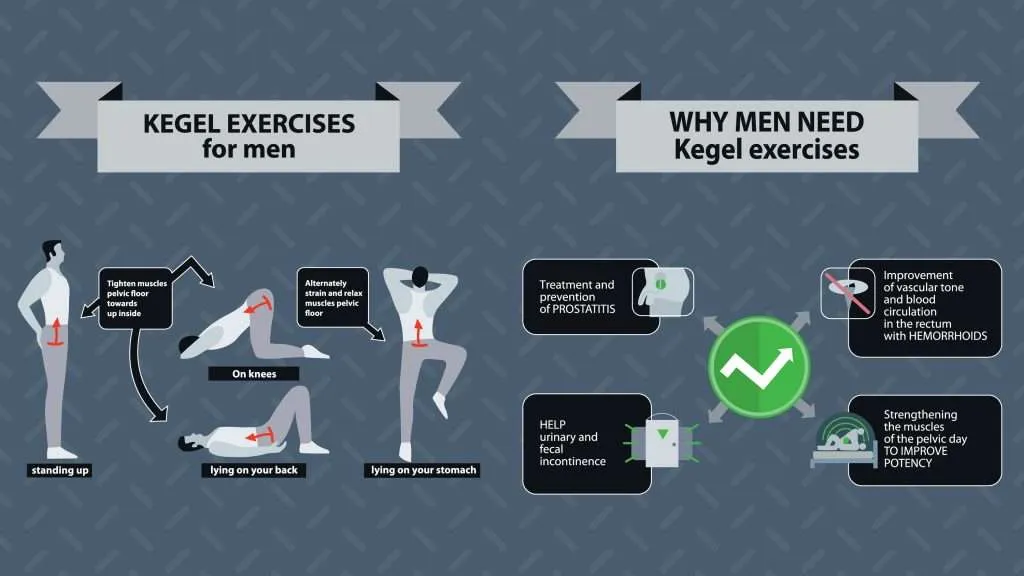
The human body is an intricate tapestry of muscle, bone, and sinew, each component playing a vital role in our daily function, movement, and well-being. Yet, within this marvel of biological engineering, there lies a region often overlooked, frequently misunderstood, and, for men, almost universally stigmatized as "women’s business": the pelvic floor. It’s a hidden powerhouse, a silent guardian, and a fundamental cornerstone of male health that, when trained, can unlock a cascade of benefits ranging from improved continence to amplified sexual performance.
This is not merely an exercise in anatomical instruction; it’s a narrative of rediscovery, an invitation for men to reclaim a part of their physiology that has long been neglected, dismissed, or simply unknown. The "Kegel connection" for men is about more than just a few squeezes; it’s about understanding the profound impact these muscles have on quality of life, confidence, and vitality. It’s time to shed the misconceptions and dive deep into why every man, regardless of age or fitness level, should be training his pelvic muscles.
Deconstructing the Pelvic Floor: An Unseen Foundation
Before we embark on the journey of "why," let’s first understand the "what." What exactly is the pelvic floor, and where does it reside in the male anatomy?
Imagine a muscular sling or a trampoline stretched across the bottom of your pelvis, extending from the pubic bone at the front to the tailbone (coccyx) at the back, and from one sit bone to the other. This complex network of muscles, ligaments, and connective tissues forms the floor of your abdominal cavity. It’s not a single muscle but rather a group, often referred to collectively as the levator ani, along with other superficial muscles like the ischiocavernosus and bulbospongiosus.
Specifically, for men, the key players often include:
- Pubococcygeus (PC muscle): This is the most commonly referenced muscle in Kegel exercises. It runs from the pubic bone to the tailbone and forms the bulk of the pelvic floor.
- Iliococcygeus and Puborectalis: These muscles, along with the pubococcygeus, make up the levator ani group, responsible for lifting and supporting the pelvic organs.
- Bulbospongiosus: This muscle surrounds the base of the penis and plays a critical role in erection and ejaculation.
- Ischiocavernosus: Another muscle involved in maintaining erections, running along the sides of the penis.
These muscles are largely voluntary, meaning you can consciously control them, much like your biceps or triceps. However, unlike those more visible muscles, the pelvic floor often operates in the background, performing its crucial functions without much conscious thought until something goes awry.
Core Functions: Beyond the Obvious
The pelvic floor’s responsibilities are vast and interconnected, impacting systems throughout the body. For men, its primary functions include:
- Organ Support: It acts as a hammock, holding up the bladder, bowel, and other pelvic organs against gravity and intra-abdominal pressure (e.g., during coughing, sneezing, lifting).
- Urinary and Fecal Continence: It forms a crucial part of the sphincter system, controlling the flow of urine and stool. When you need to hold it in, these muscles contract; when you need to release, they relax.
- Sexual Function: This is where the male pelvic floor truly shines. Strong pelvic floor muscles are integral to achieving and maintaining erections, controlling ejaculation, and intensifying orgasms.
- Core Stability and Posture: Often overlooked, the pelvic floor works in synergy with the deep abdominal muscles (transversus abdominis) and the diaphragm to create intra-abdominal pressure, which stabilizes the spine and pelvis. This contributes to overall core strength and good posture.
- Circulation and Lymphatic Flow: Proper function of these muscles aids in the circulation of blood and lymph in the pelvic region, contributing to overall tissue health.
Understanding these roles transforms the pelvic floor from an abstract concept into a recognized, indispensable part of male physiology. And once you recognize its importance, the "why" of training it becomes abundantly clear.
The "Why": A Cascade of Benefits for Men
Now, let’s delve into the compelling reasons why men should integrate pelvic floor training into their health regimen. This isn’t just about fixing problems; it’s about optimizing function, enhancing pleasure, and preventing future issues.
1. Urinary Continence and Bladder Health: Reclaiming Control
Perhaps the most widely recognized benefit of Kegel exercises for men is their profound impact on urinary continence. This benefit is particularly salient for men undergoing or recovering from prostate surgery.




Post Comment