The Engine Light Within: Why Erectile Function Is Your Body’s Ultimate "Check Engine" Indicator
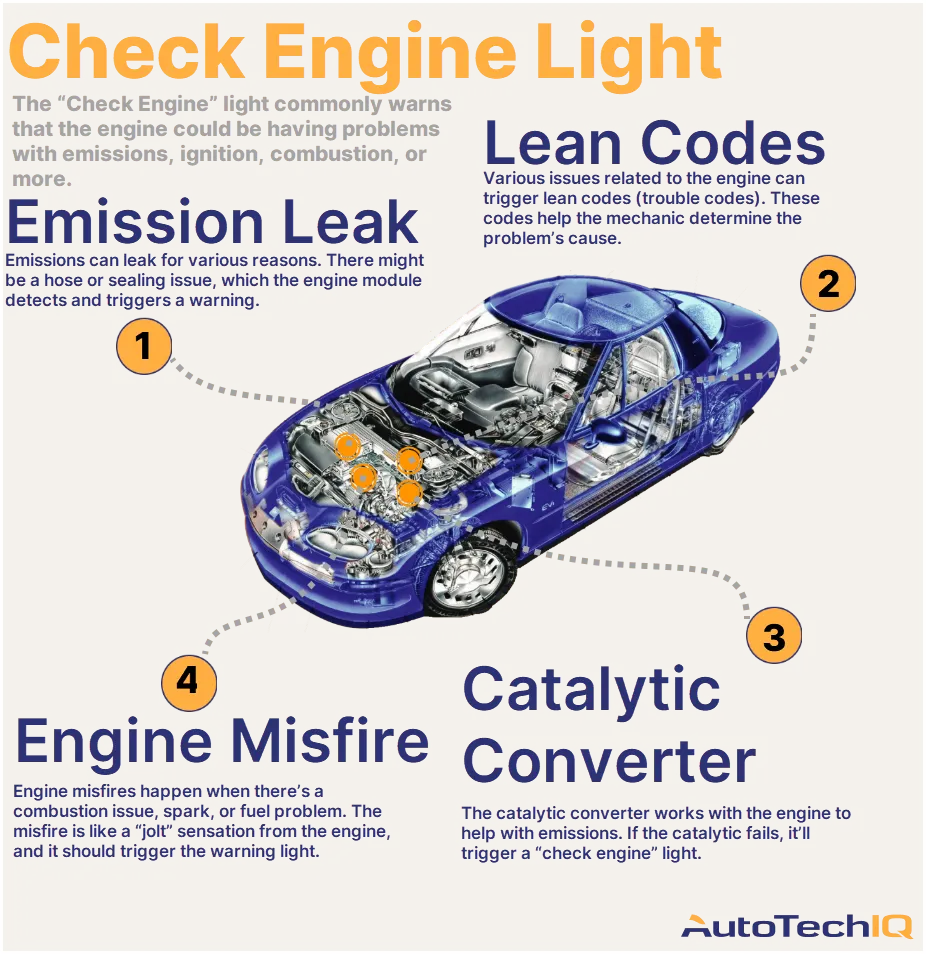
The faint glow of a "Check Engine" light on a car’s dashboard often elicits a groan. It’s an inconvenient, sometimes ominous, signal that something is amiss beneath the hood. Most of us understand that ignoring it is a fool’s errand. A flickering warning could mean anything from a loose gas cap to a failing catalytic converter, but one thing is certain: it demands attention. To dismiss it is to invite more significant, more costly, and potentially catastrophic problems down the road.
Now, imagine if your own body had such a universal warning system. A light that, when illuminated, signals not just a minor malfunction, but a potential systemic breakdown. For men, such a signal exists, albeit one often shrouded in shame, denial, and misunderstanding: Erectile Dysfunction (ED). Far from being merely a problem of sexual performance, ED frequently serves as the body’s most eloquent and urgent "check engine" light, illuminating deeper, often silent, health crises that demand immediate and comprehensive investigation.
This isn’t a story about impotence; it’s a story about the profound interconnectedness of the human body, the insidious nature of modern disease, and the unexpected gift of an early warning system. It’s a call to shift our perspective, to move beyond embarrassment and embrace ED not as a curse, but as a critical messenger, urging us to look beneath the surface before the engine seizes entirely.
The Delicate Symphony of an Erection: A Microcosm of Systemic Health
To understand why ED is such a potent indicator, one must first appreciate the intricate physiological dance required for an erection. It’s not merely a local event; it’s a complex, coordinated effort involving multiple body systems working in perfect harmony.
At its core, an erection is a vascular event. It begins with neurological signals, triggered by sexual arousal (physical or psychological), which travel from the brain and spinal cord to the penile arteries. These signals prompt the release of nitric oxide, a powerful vasodilator, within the smooth muscle cells lining the penile blood vessels. This relaxation allows blood to rush into the two cavernous chambers of the penis, the corpora cavernosa. As these chambers engorge with blood, they press against the veins that would normally drain blood away, trapping it and creating rigidity.
Consider the sheer number of components involved in this delicate symphony:
- Healthy Blood Vessels: Flexible, unobstructed arteries are paramount.
- Robust Blood Flow: Sufficient pressure and volume of blood.
- Intact Nervous System: Precise signal transmission from brain to penis.
- Balanced Hormones: Optimal levels of testosterone and other endocrine regulators.
- Psychological Well-being: A mind free from overwhelming stress, anxiety, or depression.
- Healthy Endothelium: The delicate inner lining of blood vessels, responsible for nitric oxide production.
If even one of these components falters, the entire process can be disrupted. And herein lies the profound diagnostic power of ED: the penis, with its relatively small and highly sensitive vasculature, often registers problems long before larger, more robust systems (like the coronary arteries) show signs of distress. It’s like having a highly sensitive pressure gauge that alerts you to a minor leak before the main pipeline bursts.
Unpacking the Dashboard: What Your ED Light is Really Telling You
When the "Check Engine" light of ED illuminates, it’s rarely a singular, isolated issue. More often, it’s a chorus of alarms, each pointing to a different, potentially life-threatening, underlying condition. For a knowledgeable audience, it’s crucial to delve into these connections with precision.
1. The Cardiovascular Connection: The "Fuel Delivery System" is Clogging
This is, arguably, the most critical message conveyed by ED. The penile arteries are significantly smaller in diameter than the coronary arteries that supply blood to the heart. This means they are often the first to succumb to the insidious process of atherosclerosis – the hardening and narrowing of arteries due to plaque buildup.
- Endothelial Dysfunction: Long before significant plaque forms, the endothelium (the inner lining of blood vessels) can become dysfunctional. This lining is crucial for producing nitric oxide, the molecule that relaxes blood vessels and allows blood flow. Conditions like high blood pressure, high cholesterol, diabetes, and smoking all damage the endothelium, impairing its ability to produce nitric oxide, leading directly to ED. This dysfunction is a precursor to widespread vascular disease.
- Atherosclerosis: When plaque begins to accumulate, it first affects the smallest, most distal arteries. The penile arteries fit this description perfectly. A man experiencing ED due to atherosclerosis is statistically more likely to develop coronary artery disease, peripheral artery disease, and cerebrovascular disease (stroke) within the next 3-5 years than a man without ED. The "check engine" light here isn’t just saying "low on gas"; it’s saying, "your fuel lines are corroding, and the main engine might be next."
- Hypertension (High Blood Pressure): Chronic high blood pressure damages the delicate lining of blood vessels throughout the body, including those supplying the penis. It also stiffens arterial walls, making them less responsive to signals for relaxation, impeding blood flow.
- Dyslipidemia (High Cholesterol): High levels of LDL ("bad") cholesterol contribute directly to plaque formation in arteries, reducing blood flow.
- Heart Disease: ED is now widely recognized as an independent risk factor for future cardiovascular events. It often precedes symptoms of angina, heart attack, or stroke by several years. It’s a vital opportunity for early intervention.
The Story: Imagine a 55-year-old man, active and seemingly healthy, who starts noticing issues with erections. He dismisses it as "just getting older." Perhaps he tries an ED pill, which temporarily "fixes" the symptom. But what he’s truly experiencing is the initial whisper of endothelial dysfunction, a warning that his cardiovascular system is already under assault. If he ignores it, focusing only on the temporary fix, he’s missing the chance to prevent a heart attack five years down the line. His "engine light" is flashing, signaling a systemic circulatory problem that needs comprehensive management, not just a patch-up.




Post Comment