The Crimson Key to Lasting Radiance: How Raspberries Unveil Your Skin’s Inner Glow
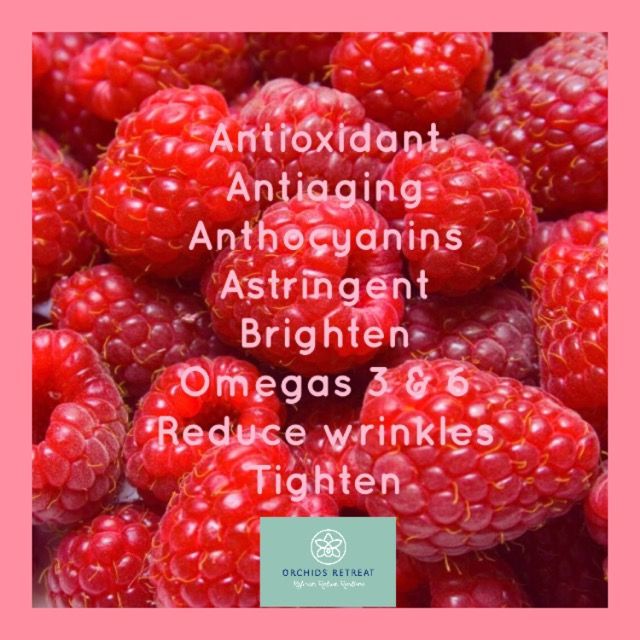
In a world increasingly saturated with synthetic solutions and fleeting trends, there’s an enduring wisdom in turning to nature’s purest offerings. Among these, the humble raspberry, a jewel-toned fruit bursting with vibrant life, stands as a testament to nature’s profound ability to nurture and heal. More than just a delicious addition to a summer dessert, this delicate berry holds within its crimson depths a powerful secret: a complex symphony of antioxidants uniquely poised to support, protect, and ultimately unveil truly radiant skin.
For the knowledgeable individual, the pursuit of radiant skin isn’t merely about aesthetics; it’s about a reflection of inner health, cellular vitality, and a resilient defense against the relentless onslaught of environmental aggressors. It’s about understanding the intricate biology of the dermis and epidermis, and recognizing that true luminosity springs from well-nourished, protected cells. This is where the story of the raspberry truly begins—a narrative of potent biochemical warfare against cellular degradation, culminating in a visible transformation that transcends superficial beauty.
The Unseen Battle: Understanding Oxidative Stress and Skin Health
Before we delve into the raspberry’s heroic capabilities, it’s crucial to understand the battlefield: our skin, constantly under siege from what is known as oxidative stress. Imagine your skin cells as tiny, perfectly functioning machines. Free radicals are like rogue sparks, unstable molecules with unpaired electrons, desperately seeking to steal electrons from stable molecules to achieve balance. When they do, they initiate a damaging chain reaction, akin to rust forming on metal.
These free radicals are generated both internally, as byproducts of normal metabolic processes, and externally, from a myriad of environmental factors:
- Ultraviolet (UV) Radiation: The sun’s rays are perhaps the most significant external generator of free radicals in the skin, leading to DNA damage, collagen degradation, and inflammation.
- Pollution: Microscopic particles and gases from vehicle exhaust, industrial emissions, and even cigarette smoke can penetrate the skin, triggering oxidative cascades.
- Stress: Emotional and psychological stress can induce a systemic inflammatory response, increasing free radical production throughout the body, including the skin.
- Poor Diet: Diets high in processed foods, sugar, and unhealthy fats can contribute to systemic inflammation and oxidative burden.
- Other Factors: Alcohol consumption, certain medications, and even intense exercise can temporarily increase free radical activity.
The cumulative effect of this oxidative stress on the skin is profound and far-reaching. It attacks the very scaffolding of youthful skin:
- Collagen and Elastin Breakdown: Free radicals directly damage the protein fibers of collagen and elastin, leading to a loss of skin firmness, elasticity, and the premature formation of wrinkles and fine lines.
- Inflammation: Oxidative stress triggers inflammatory responses, manifesting as redness, irritation, and exacerbating conditions like acne, rosacea, and eczema.
- Impaired Barrier Function: Damage to the skin’s lipid barrier compromises its ability to retain moisture and protect against external irritants, leading to dryness, sensitivity, and dullness.
- Hyperpigmentation: Free radicals can stimulate melanin production, contributing to age spots and an uneven skin tone.
- Cellular DNA Damage: In the most severe cases, oxidative stress can damage cellular DNA, potentially leading to impaired cell function and even increasing the risk of skin cancers.
In essence, oxidative stress accelerates the aging process, diminishes the skin’s natural repair mechanisms, and extinguishes its inherent radiance, leaving it vulnerable, fatigued, and lacking vitality. This understanding sets the stage for appreciating the critical role of antioxidants.
The Raspberry Arsenal: A Symphony of Antioxidants
Antioxidants are the body’s natural defense against free radicals. They are molecules that can donate an electron to a free radical without becoming unstable themselves, effectively neutralizing the threat and stopping the chain reaction of damage. Raspberries, in their vibrant crimson glory, are not merely a source of an antioxidant; they are a complex, synergistic blend of multiple antioxidant compounds, each playing a unique and complementary role in protecting and rejuvenating the skin. This isn’t a solo performance; it’s an entire orchestra working in harmony.
Let’s delve into the star players within the raspberry’s potent arsenal:
1. Ellagic Acid: The Master Protector and Collagen Enhancer
Perhaps the most celebrated and scientifically intriguing antioxidant found abundantly in raspberries is ellagic acid. This polyphenol is not just a free radical scavenger; its benefits extend deep into the cellular mechanisms governing skin health.
- UV Damage Mitigation: Ellagic acid has been extensively studied for its ability to protect the skin from UV-induced damage. It acts as an internal shield, reducing inflammation and cellular damage caused by sun exposure. While it doesn’t replace topical sunscreen, it provides a crucial layer of internal photoprotection, helping to neutralize free radicals generated by UV rays before they can wreak havoc.
- Collagen Preservation and Synthesis: One of ellagic acid’s most remarkable attributes is its capacity to inhibit matrix metalloproteinases (MMPs). MMPs are enzymes that, when overactive (often triggered by UV radiation and inflammation), break down collagen and elastin fibers. By suppressing MMP activity, ellagic acid helps to preserve the structural integrity of the skin, preventing the premature degradation of the very proteins responsible for firmness and elasticity. Furthermore, some research suggests it can promote the synthesis of new collagen, actively rebuilding and strengthening the skin’s scaffolding.


Post Comment