Edible Anti-Aging: Why Raspberries are Nature’s Fountain of Youth
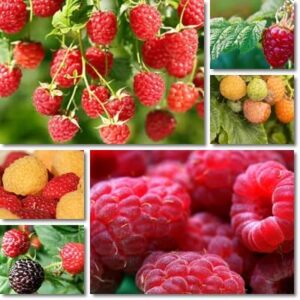
The quest for eternal youth is as old as humanity itself. From alchemists seeking elixirs to explorers chasing mythical fountains, the desire to defy time has driven countless endeavors. While science has long dismissed such magical solutions, a quiet revolution has been unfolding in our understanding of aging, one that points not to exotic potions, but to the very foods we eat. In this edible paradigm shift, one unassuming fruit stands out as a genuine contender for nature’s fountain of youth: the humble raspberry.
Far more than just a sweet-tart treat, the raspberry is a biochemical marvel, a tiny red powerhouse packed with compounds that actively combat the processes of aging at a cellular level. For the knowledgeable audience, the story of raspberries as an anti-aging superfood is not one of hyperbole, but of intricate biological mechanisms, a symphony of phytochemicals working in concert to promote longevity, vitality, and resilience.
The Intricate Dance of Aging: Understanding the Enemy
Before we delve into the raspberry’s arsenal, it’s crucial to understand the multifaceted nature of aging itself. It’s not a single process but a complex interplay of genetic, environmental, and lifestyle factors that gradually erode cellular function and tissue integrity. Key hallmarks of aging include:
- Oxidative Stress: The imbalance between the production of reactive oxygen species (free radicals) and the body’s ability to neutralize them. Free radicals damage DNA, proteins, and lipids, leading to cellular dysfunction.
- Chronic Inflammation (Inflammaging): A low-grade, persistent inflammation that contributes to various age-related diseases, from cardiovascular issues to neurodegeneration.
- Mitochondrial Dysfunction: Mitochondria, the "powerhouses" of our cells, become less efficient with age, producing less energy and more free radicals.
- Cellular Senescence: Cells cease dividing and accumulate, releasing inflammatory molecules that harm surrounding healthy tissue. These are often called "zombie cells."
- Telomere Shortening: Telomeres, protective caps on the ends of chromosomes, shorten with each cell division. Critically short telomeres trigger cellular senescence or apoptosis (programmed cell death).
- Glycation: The non-enzymatic binding of sugars to proteins and lipids, forming Advanced Glycation End products (AGEs) that stiffen tissues and promote oxidative stress.
- Autophagy Impairment: Autophagy is the body’s cellular recycling program, clearing out damaged components. Its decline contributes to the accumulation of cellular waste.
- Epigenetic Alterations: Changes in gene expression that don’t involve alterations to the underlying DNA sequence, often influenced by lifestyle and diet, which can accelerate or decelerate aging.
The good news is that nutrition, particularly from foods like raspberries, can powerfully influence these processes, helping to slow the clock and enhance health span.
The Raspberry’s Anti-Aging Arsenal: A Deep Dive into its Biochemistry
Raspberries are a treasure trove of bioactive compounds, each playing a specific role in the fight against aging. It’s the synergy of these compounds, however, that truly elevates the raspberry to its status as a fountain of youth.
1. The Power of Polyphenols: Antioxidant & Anti-Inflammatory Mavericks
Polyphenols are the undisputed stars of the raspberry’s anti-aging show. These plant compounds are renowned for their potent antioxidant and anti-inflammatory properties, directly addressing two of the primary drivers of aging: oxidative stress and chronic inflammation.
- Anthocyanins: These pigments are responsible for the raspberry’s vibrant red hue. More than just colorants, anthocyanins are powerful antioxidants, scavenging free radicals and protecting cells from oxidative damage. They also possess significant anti-inflammatory capabilities, inhibiting pro-inflammatory pathways. Research suggests anthocyanins can cross the blood-brain barrier, offering neuroprotective benefits, improving cognitive function, and potentially reducing the risk of neurodegenerative diseases. By calming inflammation in the brain and protecting neural cells, they contribute to a sharper, more resilient mind as we age.
- Ellagic Acid and Ellagitannins: Raspberries are one of the richest sources of ellagic acid, a polyphenol that has garnered significant scientific attention. Once consumed, ellagitannins are hydrolyzed to release ellagic acid, which is then metabolized by gut bacteria into urolithins. Urolithin A, in particular, has shown remarkable anti-aging effects. It’s been found to stimulate mitophagy (the selective degradation of damaged mitochondria) and improve mitochondrial function, directly combating mitochondrial dysfunction – a key hallmark of aging. Furthermore, ellagic acid exhibits potent antioxidant and anti-cancer properties, protecting DNA from damage and inhibiting tumor growth. Its ability to support cellular repair mechanisms makes it a cornerstone of the raspberry’s anti-aging profile.
- Quercetin: This flavonoid is another potent antioxidant and anti-inflammatory agent found in raspberries. Quercetin has been studied for its senolytic activity – its ability to selectively kill senescent "zombie" cells. By clearing out these dysfunctional cells, quercetin helps to reduce the inflammatory burden they impose on surrounding tissues, promoting a healthier cellular environment. It also supports cardiovascular health, reduces allergic reactions, and may protect against certain cancers.
- Gallic Acid and Catechins: These additional polyphenols further bolster the raspberry’s antioxidant capacity, contributing to its overall ability to neutralize free radicals and protect cellular integrity.
2. Vitamin C: The Collagen Protector and Immune Booster
Beyond its polyphenols, raspberries are a good source of Vitamin C, an essential nutrient with profound anti-aging implications.
- Collagen Synthesis: Vitamin C is crucial for the synthesis of collagen, the primary structural protein in skin, bones, tendons, and cartilage. As we age, collagen production naturally declines, leading to wrinkles, sagging skin, and joint issues. By providing ample Vitamin C, raspberries support the body’s ability to produce and maintain healthy collagen, contributing to youthful skin elasticity and joint mobility.


Post Comment