Beyond the Fruit: Is Raspberry Leaf Tea the Secret to Better Metabolic Health?
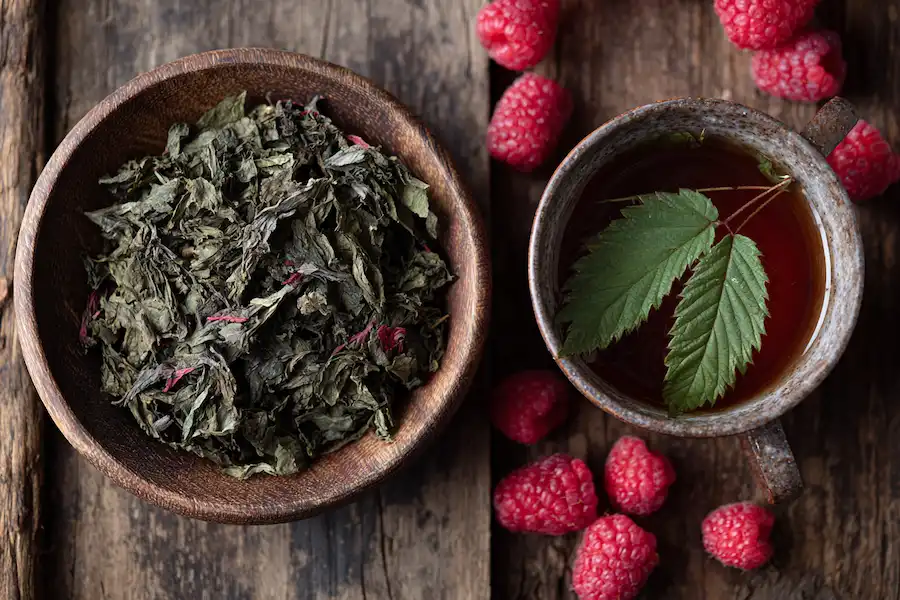
The humble raspberry, a jewel of summer, is celebrated for its vibrant taste, antioxidant prowess, and a delicate balance of sweetness and tartness. We relish its fruit in pies, jams, and fresh salads, often overlooking the very foundation that gives rise to such succulence: its leaves. For centuries, across diverse cultures, the leaves of the Rubus idaeus plant have been revered, primarily within the realm of women’s health, as a gentle yet potent botanical ally. From easing menstrual discomfort to preparing the uterus for childbirth, raspberry leaf tea has woven itself into the fabric of traditional medicine, a quiet whisper of ancient wisdom.
But what if this verdant secret, traditionally confined to the cyclical rhythms of female physiology, held a broader, more profound key? What if the very compounds that lend raspberry leaf its storied benefits for reproductive health also possessed the potential to unlock a new frontier in the quest for optimal metabolic health? In an era where metabolic dysfunction—a constellation of conditions including insulin resistance, obesity, dyslipidemia, and chronic inflammation—has reached epidemic proportions, the search for natural, accessible, and holistic interventions is more urgent than ever.
This article embarks on a journey beyond the fruit, delving into the rich phytochemistry of raspberry leaf, exploring its historical narrative, and meticulously examining the burgeoning scientific insights that suggest its potential role in ameliorating the complex challenges of metabolic health. Could this unassuming brew, steeped in history and folklore, be a secret weapon in our modern fight for metabolic well-being? Let us unfurl the leaves of this inquiry and explore.
The Tapestry of Time: A Legacy Beyond Labor
To truly appreciate the potential of raspberry leaf in a contemporary context, we must first acknowledge its deep roots in historical practice. For millennia, indigenous peoples across North America, as well as herbalists in Europe and Asia, have utilized raspberry leaf as a medicinal herb. Its most renowned application has been as a uterine tonic, believed to strengthen and tone the uterine muscles, making it a staple for pregnant women in their third trimester to prepare for labor, and post-partum to aid recovery and reduce bleeding. It was also frequently employed to alleviate menstrual cramps and regulate cycles.
This traditional wisdom wasn’t based on an understanding of specific biochemical pathways, but rather on observation and empirical evidence passed down through generations. The consistent use of raspberry leaf for such delicate and vital physiological processes speaks volumes about its perceived efficacy and safety. It was considered a "nourishing herb," rich in vitamins and minerals, a gentle yet effective support for the body’s natural functions.
The transition from a primary focus on reproductive health to a broader consideration of systemic metabolic well-being might seem like a conceptual leap. However, as modern science increasingly reveals the intricate interconnectedness of bodily systems—the dance between hormones, inflammation, gut health, and cellular metabolism—it becomes clear that an herb capable of exerting such profound effects on one system might very well possess wider-reaching benefits. The holistic philosophy underpinning traditional medicine often recognized this interplay, even without the molecular language to articulate it. It is this ancient trust, coupled with modern analytical tools, that now prompts us to re-evaluate raspberry leaf’s full spectrum of potential.
Unveiling the Arsenal: The Phytochemistry of Raspberry Leaf
The secret to raspberry leaf’s multifaceted actions lies in its complex and abundant phytochemistry. Unlike a single-compound pharmaceutical, raspberry leaf offers a symphony of bioactive molecules working in concert, a phenomenon often referred to as synergy in botanical medicine. While the exact composition can vary based on growing conditions, harvest time, and processing, key categories of compounds consistently emerge as central to its therapeutic potential.
At the forefront are the polyphenols, a vast family of plant compounds renowned for their antioxidant and anti-inflammatory properties. Within raspberry leaf, these include:
- Flavonoids: Quercetin, kaempferol, and their glycosides are prominent. These compounds are potent free radical scavengers, protecting cells from oxidative damage, a cornerstone of chronic disease development, including metabolic dysfunction. They also modulate inflammatory pathways, helping to quell the systemic low-grade inflammation that characterizes insulin resistance and obesity.
- Ellagitannins: These complex polyphenols are particularly abundant in Rubus species. Compounds like sanguiin H-6 and lambertianin C are precursors to ellagic acid, which is released in the gut. Ellagic acid and its metabolites are powerful antioxidants and have demonstrated promising anti-cancer, anti-inflammatory, and potentially metabolic-regulating effects in various studies. They may influence enzyme activities relevant to glucose and lipid metabolism.
- Rosmarinic Acid: Though often associated with rosemary, this hydroxycinnamic acid is also present in raspberry leaf. Rosmarinic acid is a potent antioxidant and anti-inflammatory agent, with research suggesting its ability to modulate glucose uptake and inhibit enzymes involved in carbohydrate digestion.
Beyond these polyphenolic powerhouses, raspberry leaf is also a notable source of:
- Vitamins: Especially Vitamin C, an essential antioxidant and immune booster, and Vitamin E, another fat-soluble antioxidant. It also contains B-complex vitamins, crucial cofactors in energy metabolism.
- Minerals: A rich source of magnesium, potassium, calcium, and iron. Magnesium, in particular, is critical for over 300 enzymatic reactions, including those involved in glucose metabolism and insulin signaling. Potassium is vital for fluid balance and blood pressure regulation, while calcium plays a role in cellular signaling and fat metabolism.
- Organic Acids: These contribute to the overall antioxidant capacity and may have direct metabolic effects.
This rich and diverse biochemical profile provides a compelling scientific rationale for exploring raspberry leaf’s influence on metabolic health. It’s not merely one compound, but the orchestrated action of many, that forms its therapeutic signature.
The Metabolic Maze: Understanding the Challenge
Before we delve into the specific mechanisms by which raspberry leaf might exert its metabolic benefits, it’s crucial to understand the landscape of metabolic dysfunction itself. Metabolic health is not merely the absence of disease, but a state of optimal biochemical and physiological function, characterized by stable blood sugar, healthy lipid profiles, appropriate blood pressure, and a healthy body composition. When these parameters go awry, a cascade of issues can emerge.
Metabolic Syndrome is a clinical term for a cluster of conditions that collectively increase the risk of heart disease, stroke, and type 2 diabetes. These conditions include:
- High blood pressure
- High blood sugar
- Excess body fat around the waist


Post Comment