Beyond the Fruit: Is Raspberry Leaf Tea the Secret to Better Metabolic Health?
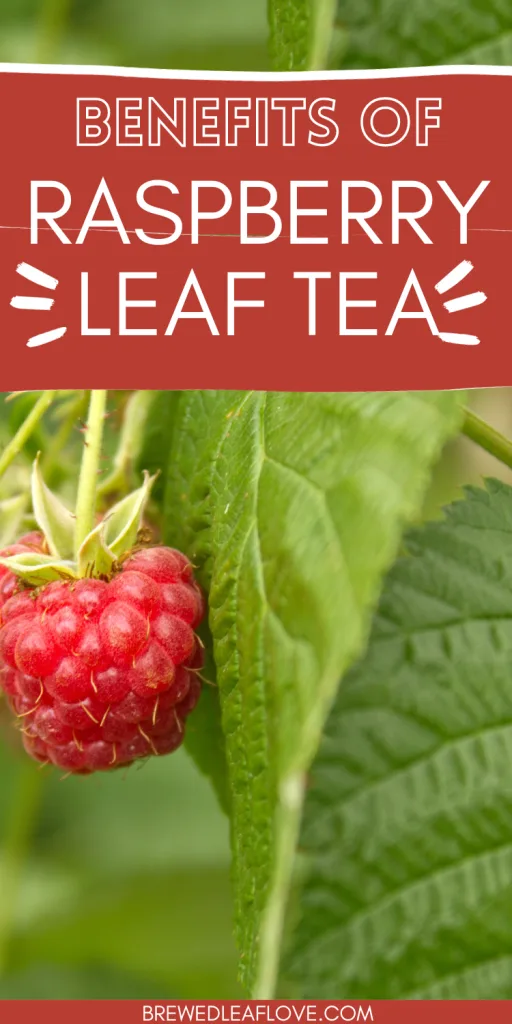
In the vibrant tapestry of natural remedies, some threads gleam with immediate recognition – the elderberry for immunity, the turmeric for inflammation, the ginger for digestion. Yet, others, equally potent, often reside in the shadows, their full spectrum of benefits awaiting rediscovery. Among these quiet powerhouses, Rubus idaeus, the common red raspberry, offers a prime example. While its succulent fruit basks in the limelight, celebrated for its antioxidants, fiber, and delightful taste, the unassuming leaf has historically been relegated to a niche, almost mystical, role predominantly associated with women’s reproductive health.
But what if this humble leaf, steeped in ancient wisdom and grandmotherly lore, holds a far grander secret? What if, beyond its renowned support for uterine tone and labor preparation, raspberry leaf tea harbors a profound, yet largely unexplored, potential for improving metabolic health – the intricate dance of blood sugar, insulin sensitivity, inflammation, and energy regulation that underpins our modern well-being?
This is the story of a journey – a journey beyond the familiar sweetness of the fruit, into the verdant depths of its foliage, to explore whether raspberry leaf tea could indeed be a secret weapon in the quest for better metabolic health. It’s a tale that weaves together traditional knowledge, the burgeoning field of phytochemistry, and the pressing global challenge of metabolic dysfunction, inviting us to reconsider an ancient brew through a contemporary lens.
A Journey Through Time: From Folklore to the Frontiers of Health
Our story begins not in a laboratory, but in the sun-drenched fields and ancient forests where humanity first forged its connection with the plant kingdom. For centuries, across continents and cultures, raspberry leaf has been revered. Indigenous peoples of North America utilized it for digestive ailments, mouth sores, and as a general tonic. European herbalists lauded it as "the woman’s herb," prescribing it for menstrual discomfort, morning sickness, and to ease childbirth. Its reputation for strengthening and toning the uterus, thanks in part to compounds like fragarine, became so deeply ingrained that it often overshadowed any other potential applications.
This historical focus, while valid and valuable, inadvertently created a blind spot. The narrative of raspberry leaf became almost exclusively tied to the female reproductive system, diverting attention from its broader biochemical potential. Yet, even within these traditional applications, there were whispers of wider systemic effects – improved vitality, reduced inflammation, and a general sense of well-being that hinted at more than just uterine support.
As modern science began to unravel the complex chemistry of plants, the true "story" of raspberry leaf started to emerge, piece by piece. Researchers, initially drawn by its established uses, began to isolate and identify a wealth of bioactive compounds within its leaves – a chemical symphony far more intricate than previously imagined. And it is within this symphony that we begin to discern the notes that resonate with metabolic health.
The Chemical Symphony: Unveiling Raspberry Leaf’s Bioactive Arsenal
To understand raspberry leaf tea’s potential metabolic impact, we must first introduce its cast of chemical characters. Far from a simple infusion, a cup of raspberry leaf tea is a complex elixir brimming with:
-
Polyphenols: This vast category of plant compounds is the undisputed star of raspberry leaf. It includes:
- Flavonoids: Quercetin, kaempferol, and anthocyanins (though more prominent in the fruit) are potent antioxidants and anti-inflammatory agents. They are known to interact with various cellular pathways involved in glucose metabolism and insulin signaling.
- Tannins: These astringent compounds, including ellagitannins, contribute to the tea’s slightly bitter taste. Beyond their traditional use as astringents, tannins exhibit significant antioxidant, anti-inflammatory, and even antimicrobial properties. Critically, some tannins have shown promise in modulating gut microbiota and influencing glucose absorption.
- Ellagic Acid: A powerful polyphenol, ellagic acid is abundant in raspberry leaves. It’s renowned for its antioxidant and anti-cancer properties, but emerging research suggests it may also play a role in metabolic regulation, particularly in mitigating oxidative stress and inflammation – key drivers of metabolic dysfunction.
-
Vitamins and Minerals: Raspberry leaf is surprisingly rich in micronutrients essential for metabolic processes.
- Magnesium: Crucial for over 300 enzymatic reactions, including those involved in glucose metabolism and insulin sensitivity. Many individuals with metabolic syndrome are magnesium deficient.
- Potassium: Important for electrolyte balance, blood pressure regulation, and cellular function.
- Iron: Essential for oxygen transport and energy production, vital for mitochondrial health.
- Vitamins C and E: Potent antioxidants that protect cells from oxidative damage, a hallmark of metabolic distress.
- B Vitamins: Though in smaller amounts, these are vital cofactors in energy metabolism.


Post Comment