The Crimson Shield: How Raspberries Orchestrate a Symphony Against Oxidative Stress
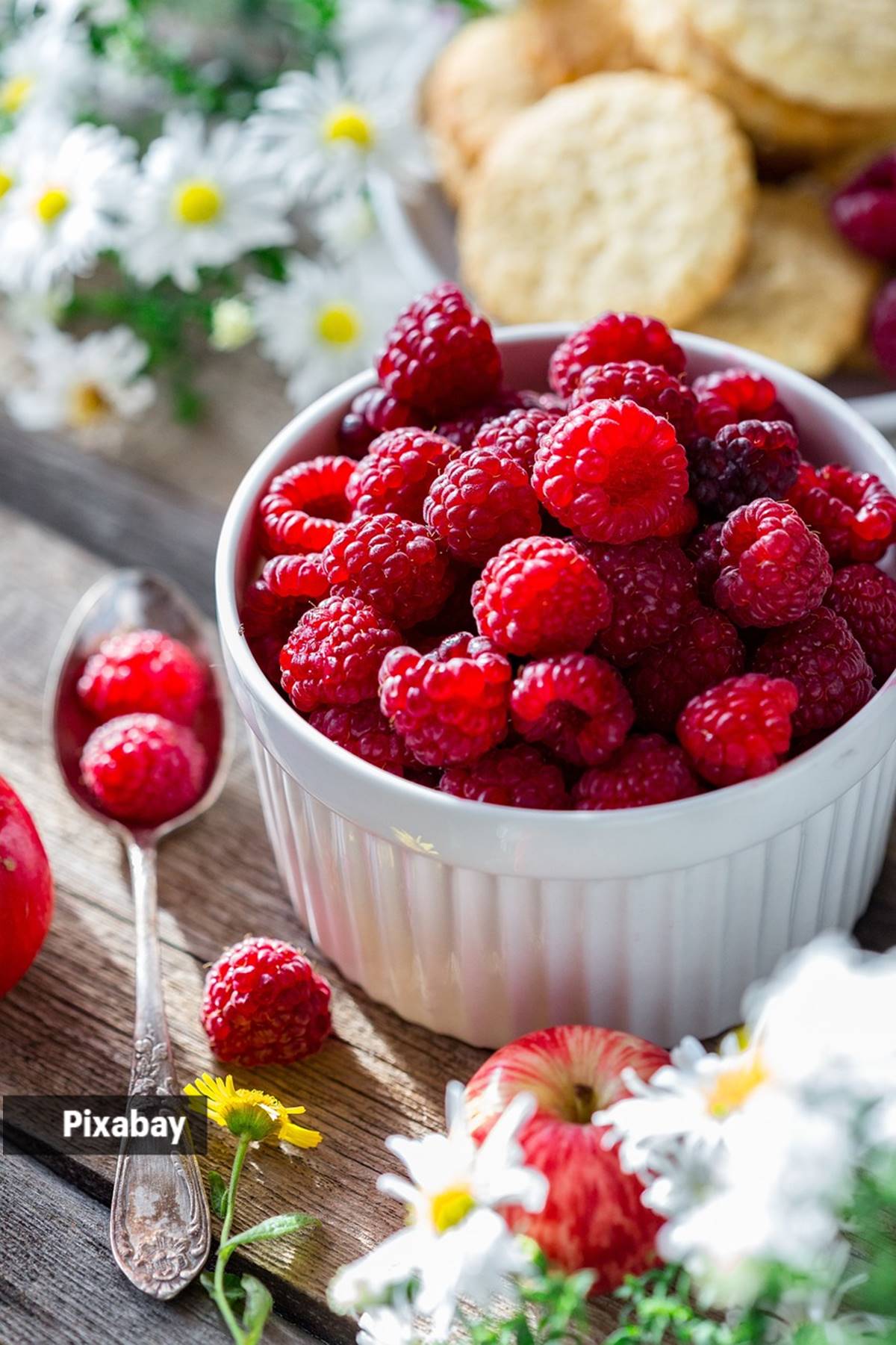
In the intricate theater of human biology, an unseen, relentless battle unfolds every second of every day. It is a war waged at the molecular level, a silent conflict known as oxidative stress. Its adversaries are insidious free radicals, volatile molecules capable of wreaking havoc upon the very fabric of our cells. Yet, amidst this constant skirmish, nature offers its own valiant defenders, and among the most potent and captivating of these is the humble, yet extraordinarily powerful, raspberry.
This article delves deep into the fascinating narrative of how raspberries, with their vibrant crimson hues and complex biochemical profiles, act as a formidable shield against oxidative stress. For the knowledgeable mind, we shall explore not just that they combat this cellular menace, but how they do so, unraveling the intricate mechanisms and the sophisticated interplay of their phytochemical arsenal that transforms them into true cellular guardians.
Chapter 1: The Silent War Within – Understanding Oxidative Stress
To truly appreciate the raspberry’s prowess, we must first understand the enemy it faces. Oxidative stress is not merely a buzzword; it is a fundamental biological imbalance arising when the production of reactive oxygen species (ROS) and reactive nitrogen species (RNS) overwhelms the body’s intrinsic antioxidant defenses.
The Molecular Marauders: Free Radicals, ROS, and RNS
At the heart of oxidative stress are free radicals – atoms or molecules with an unpaired electron in their outermost shell. This unpaired electron makes them highly unstable and aggressively reactive, constantly seeking to steal electrons from other molecules to achieve stability. This electron theft initiates a destructive chain reaction, leading to damage in vital cellular components.
- Reactive Oxygen Species (ROS): These are oxygen-containing molecules that are highly reactive. Common examples include superoxide anion (O₂⁻), hydroxyl radical (•OH), and hydrogen peroxide (H₂O₂). While essential in low concentrations for cellular signaling and immune function, their overproduction is detrimental.
- Reactive Nitrogen Species (RNS): Similar to ROS, RNS are nitrogen-containing molecules that are highly reactive. Peroxynitrite (ONOO⁻) is a prominent example, formed from the reaction of superoxide and nitric oxide, and is particularly damaging to proteins and DNA.
The Genesis of Havoc: Where Do They Come From?
The sources of these molecular marauders are manifold, stemming from both internal metabolic processes and external environmental exposures:
- Endogenous Sources (Internal):
- Mitochondrial Respiration: The very process of converting food into energy within our mitochondria, while vital, is the primary endogenous source of ROS. A small percentage of oxygen consumed is incompletely reduced, leading to superoxide formation.
- Enzymatic Reactions: Various enzymes, such as NADPH oxidases, xanthine oxidase, and myeloperoxidase, generate ROS as part of their normal function, particularly in immune responses.
- Inflammation: The immune system, in its fight against pathogens, deliberately produces ROS to kill invaders. However, chronic or uncontrolled inflammation can lead to bystander damage to healthy tissues.
- Exogenous Sources (External):
- Environmental Pollutants: Air pollution (ozone, particulate matter), heavy metals, and industrial chemicals.
- Radiation: Ultraviolet (UV) radiation from sunlight, ionizing radiation (X-rays, gamma rays).
- Lifestyle Factors: Smoking, excessive alcohol consumption, certain medications, intense physical exercise, and a diet rich in processed foods and trans fats.
The Cost of Imbalance: Consequences of Oxidative Damage
When free radical production overwhelms antioxidant capacity, the consequences are profound and far-reaching, impacting virtually every system in the body:


Post Comment