Cognitive Clarity: Can Jujubes Protect Your Brain from Age-Related Decline?
The Shadow of Time and the Promise of Nature
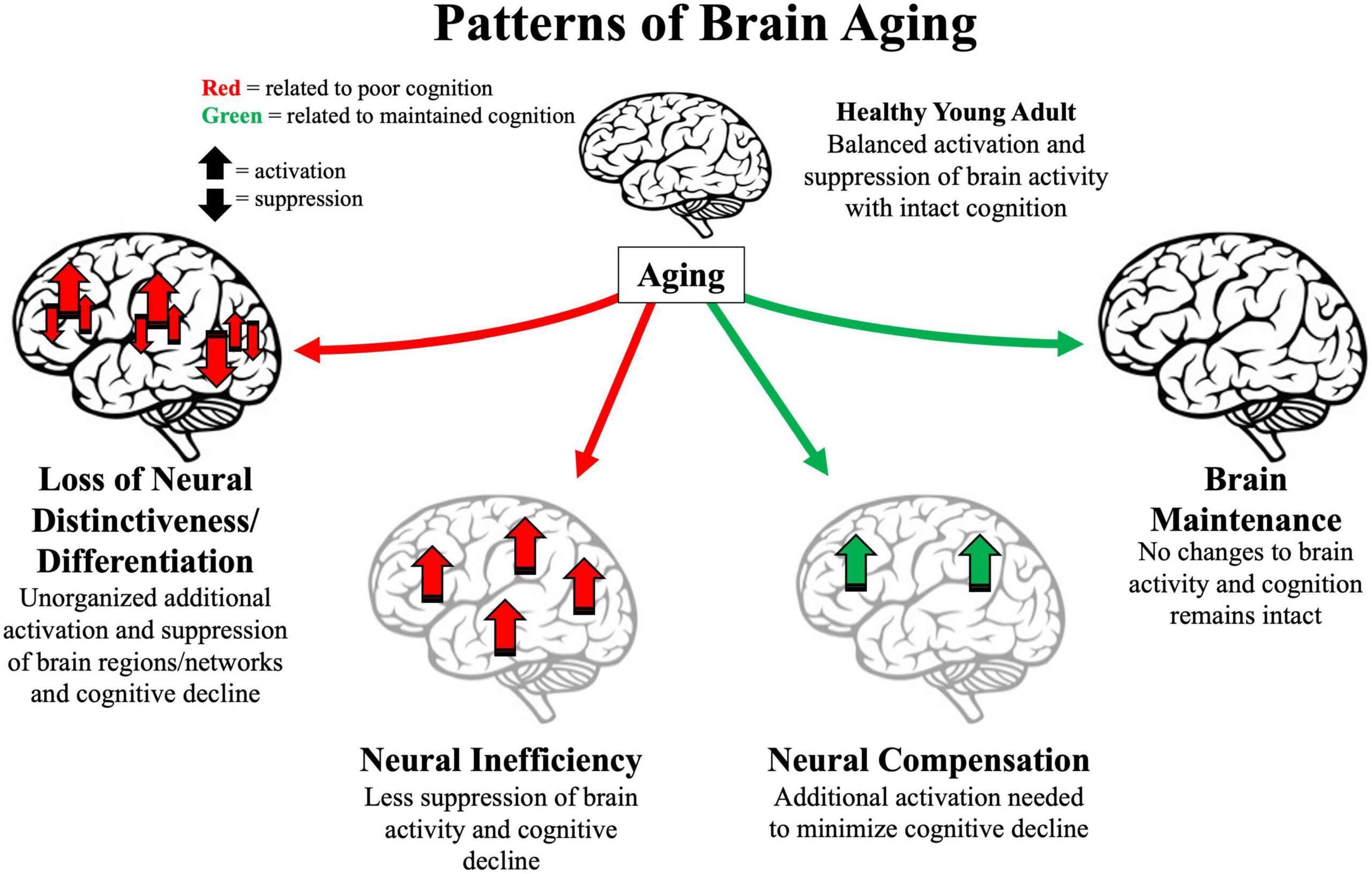
The human mind, that intricate tapestry of memories, thoughts, and emotions, is arguably our most cherished possession. Yet, with each passing year, a subtle anxiety often creeps in: the fear of cognitive decline. The occasional forgotten name, the misplaced keys, the fleeting "tip-of-the-tongue" moment – these are often dismissed as normal signs of aging. But lurking beneath these minor inconveniences is the specter of more serious conditions like Alzheimer’s and Parkinson’s, which relentlessly erode the very essence of who we are. In a world grappling with an aging global population, the quest for ways to preserve cognitive clarity and protect our brains from the ravages of time has become one of humanity’s most urgent scientific endeavors.
While pharmaceutical breakthroughs are continually sought, a parallel, equally compelling narrative unfolds in the realm of natural remedies. For millennia, traditional medicine systems across the globe have looked to the bounty of nature for healing and sustenance. Among these ancient treasures, a unassuming fruit known as the jujube, or Chinese red date (Ziziphus jujuba), has quietly sustained populations and been revered for its diverse medicinal properties. Long celebrated for its calming effects and ability to promote restful sleep, modern science is now beginning to peer deeper into this humble fruit, asking a profound question: Can jujubes, a fruit steeped in history and folklore, hold a key to protecting our brains from age-related decline?
This is not a tale of a magic bullet, but rather an exploration of potential – a journey into the intricate biochemistry of a fruit that might just offer a whisper of hope for cognitive longevity. For the knowledgeable audience, we delve beyond the surface, examining the scientific mechanisms, the preclinical evidence, and the tantalizing possibilities that position jujubes as a fascinating subject in the burgeoning field of neuroprotection.
A Legacy Etched in Time: Jujubes Through the Ages
Before we dissect its modern scientific relevance, it’s crucial to understand the jujube’s deep roots in traditional medicine. Native to Southern Asia, particularly China, where it has been cultivated for over 4,000 years, the jujube tree is resilient, thriving in diverse climates. Its small, date-like fruits, which ripen from green to a reddish-brown, have been a staple in diets and pharmacopoeias across Asia for centuries.
In Traditional Chinese Medicine (TCM), jujubes, known as "da zao" (大枣), are classified as sweet and warm, affecting the Spleen and Stomach meridians. Their primary traditional uses are diverse:
- Calming the Shen (Spirit): Used to alleviate anxiety, stress, and insomnia. This is perhaps its most famous traditional application linked to cognitive and mental well-being.
- Nourishing Blood and Qi: Considered a tonic for vitality and energy.
- Strengthening the Spleen and Stomach: Aiding digestion and nutrient absorption.
- Harmonizing other Herbs: Often included in herbal formulas to temper the strong actions of other ingredients and improve their efficacy.
This rich historical context is more than just anecdotal; it provides a framework for modern scientific inquiry. The traditional recognition of jujubes’ calming and sleep-enhancing properties directly aligns with emerging research into their potential neurological benefits, as sleep quality and stress reduction are increasingly understood as critical pillars of cognitive health.
Unveiling the Bioactive Arsenal: What Makes Jujubes Tick?
The journey from traditional wisdom to scientific understanding begins with deconstructing the fruit’s chemical composition. Jujubes are not just a source of simple sugars and fiber; they are a complex biochemical factory, producing a remarkable array of bioactive compounds that individually and synergistically contribute to their therapeutic potential. For the knowledgeable reader, understanding these components is key to grasping the "how" behind the "if."
A. The Antioxidant Vanguard:
The brain, despite making up only 2% of body weight, consumes 20% of the body’s oxygen. This high metabolic rate makes it particularly vulnerable to oxidative stress – an imbalance between the production of reactive oxygen species (free radicals) and the body’s ability to neutralize them. Oxidative stress is a well-established driver of neurodegeneration, damaging DNA, proteins, and lipids, and contributing to the pathology of Alzheimer’s and Parkinson’s diseases.
Jujubes are powerhouses of antioxidants, including:
- Flavonoids: Quercetin, kaempferol, apigenin, and luteolin are prominent. These polyphenolic compounds are renowned for their potent free radical scavenging abilities. They can directly neutralize free radicals and also upregulate the body’s endogenous antioxidant enzymes.
- Vitamin C: Jujubes are exceptionally rich in vitamin C, a powerful water-soluble antioxidant crucial for neutralizing free radicals in aqueous environments and regenerating other antioxidants like vitamin E.
- Polyphenols: A broader category of compounds, including phenolic acids, that contribute to the overall antioxidant capacity.
B. The Anti-Inflammatory Brigade:
Chronic low-grade neuroinflammation is another critical player in age-related cognitive decline. Microglia, the brain’s immune cells, can become chronically activated with age or injury, releasing pro-inflammatory cytokines that damage neurons and impair synaptic function. This "smoldering fire" in the brain accelerates neurodegeneration.
Jujubes contain compounds with significant anti-inflammatory properties:
- Triterpenoids: Such as betulinic acid and oleanolic acid, which have demonstrated anti-inflammatory effects in various models.


Post Comment