Anemia and Energy: Why Red Dates are a Traditional Favorite for Blood Health
Imagine a persistent, unwelcome shadow that clings to your every move, dampening your enthusiasm, clouding your thoughts, and stealing the vibrancy from your days. It’s not just tiredness; it’s an exhaustion that sleep cannot fully conquer, a weariness that permeates the very core of your being. For millions across the globe, this shadow has a name: anemia, a condition where the blood lacks healthy red blood cells, the crucial couriers of life-giving oxygen.
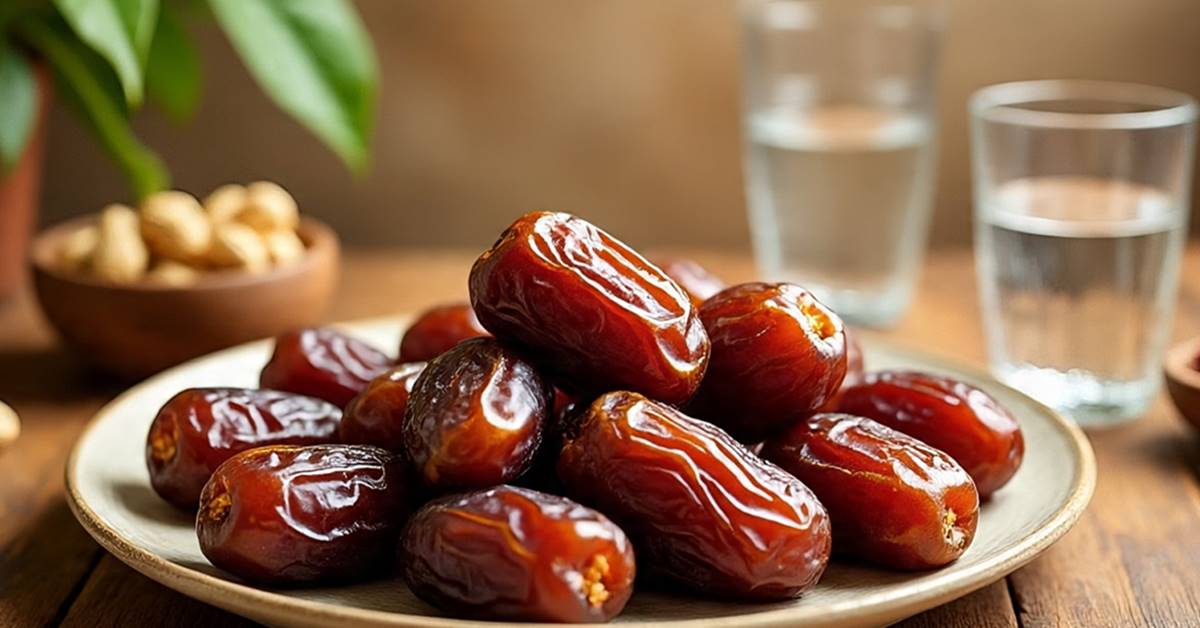
While modern medicine offers an array of diagnostic tools and interventions, humanity has, for millennia, sought solace and strength in the natural world. Among the pantheon of traditional remedies, one unassuming fruit stands out as a time-honored champion for blood health and vitality: the red date, or Jujube. From the bustling marketplaces of ancient China to the quiet wisdom passed down through generations, red dates have been revered not just as a sweet treat, but as a potent ally in the quest for sustained energy and robust blood. This is a story that intertwines ancient wisdom with modern science, exploring the profound connection between our blood, our energy, and the humble, yet mighty, red date.
The Silent Thief: Understanding Anemia and Its Energy Drain
To truly appreciate the traditional reverence for red dates, we must first delve into the physiological landscape of anemia and its devastating impact on our energy levels. Anemia is not a single disease but a condition characterized by a deficiency in red blood cells or hemoglobin, the iron-rich protein within red blood cells responsible for transporting oxygen from the lungs to the body’s tissues. When oxygen delivery falters, every cell, every organ, and every system in the body suffers.
The Symphony of Oxygen Transport:
Our bodies are intricate marvels of biochemical engineering, constantly performing a complex ballet of metabolic processes. At the heart of this ballet is oxygen. It is the vital ingredient in cellular respiration, the process by which our cells convert glucose and other nutrients into adenosine triphosphate (ATP) – the primary energy currency of the body. Without adequate oxygen, this energy production grinds to a halt, leading to the pervasive fatigue and weakness so characteristic of anemia.
Types and Causes of Anemia:
While iron deficiency anemia (IDA) is the most common form globally, accounting for up to 50% of all anemia cases, it’s crucial to understand that anemia can stem from various causes:
- Iron Deficiency Anemia (IDA): This occurs when the body lacks sufficient iron to produce hemoglobin. Common causes include inadequate dietary iron intake, blood loss (due to heavy menstruation, gastrointestinal bleeding, ulcers, or certain medications), increased iron requirements (during pregnancy, rapid growth in children), or impaired iron absorption (due to celiac disease, bariatric surgery, or certain medications).
- Vitamin Deficiency Anemia: This category includes:
- Vitamin B12 Deficiency Anemia (Pernicious Anemia): B12 is crucial for red blood cell formation and neurological function. Deficiency can result from insufficient dietary intake (common in vegans/vegetarians), malabsorption issues (e.g., lack of intrinsic factor, Crohn’s disease, gastric surgery), or certain medications.
- Folate Deficiency Anemia: Folate (Vitamin B9) is also essential for DNA synthesis and red blood cell maturation. Deficiency can arise from poor diet, malabsorption, alcoholism, or increased demand (pregnancy).
- Anemia of Chronic Disease: Chronic inflammatory conditions (e.g., rheumatoid arthritis, kidney disease, cancer, chronic infections) can interfere with red blood cell production and iron utilization, even if iron stores are adequate.
- Hemolytic Anemia: Red blood cells are destroyed faster than they can be produced. This can be hereditary (e.g., sickle cell anemia, thalassemia) or acquired (e.g., autoimmune conditions, certain infections, drug reactions).
- Aplastic Anemia: A rare but serious condition where the bone marrow fails to produce enough blood cells (red, white, and platelets).
- Bone Marrow Diseases: Conditions like leukemia or myelodysplastic syndromes can impair red blood cell production.
The Cascade of Symptoms:
The symptoms of anemia are a direct consequence of reduced oxygen delivery:
- Profound Fatigue and Weakness: The hallmark symptom, often described as a bone-deep exhaustion.
- Pale Skin: Due to reduced hemoglobin in the blood, especially noticeable in the face, inside the lower eyelids, and nail beds.
- Shortness of Breath: Even with minimal exertion, as the body struggles to get enough oxygen.
- Dizziness or Lightheadedness: Due to insufficient oxygen reaching the brain.
- Headaches: Often throbbing and persistent.
- Cold Hands and Feet: Poor circulation due to insufficient oxygen.


Post Comment