The Crimson Guardians: How Raspberries Unleash a Microscopic Arsenal Against Oxidative Stress
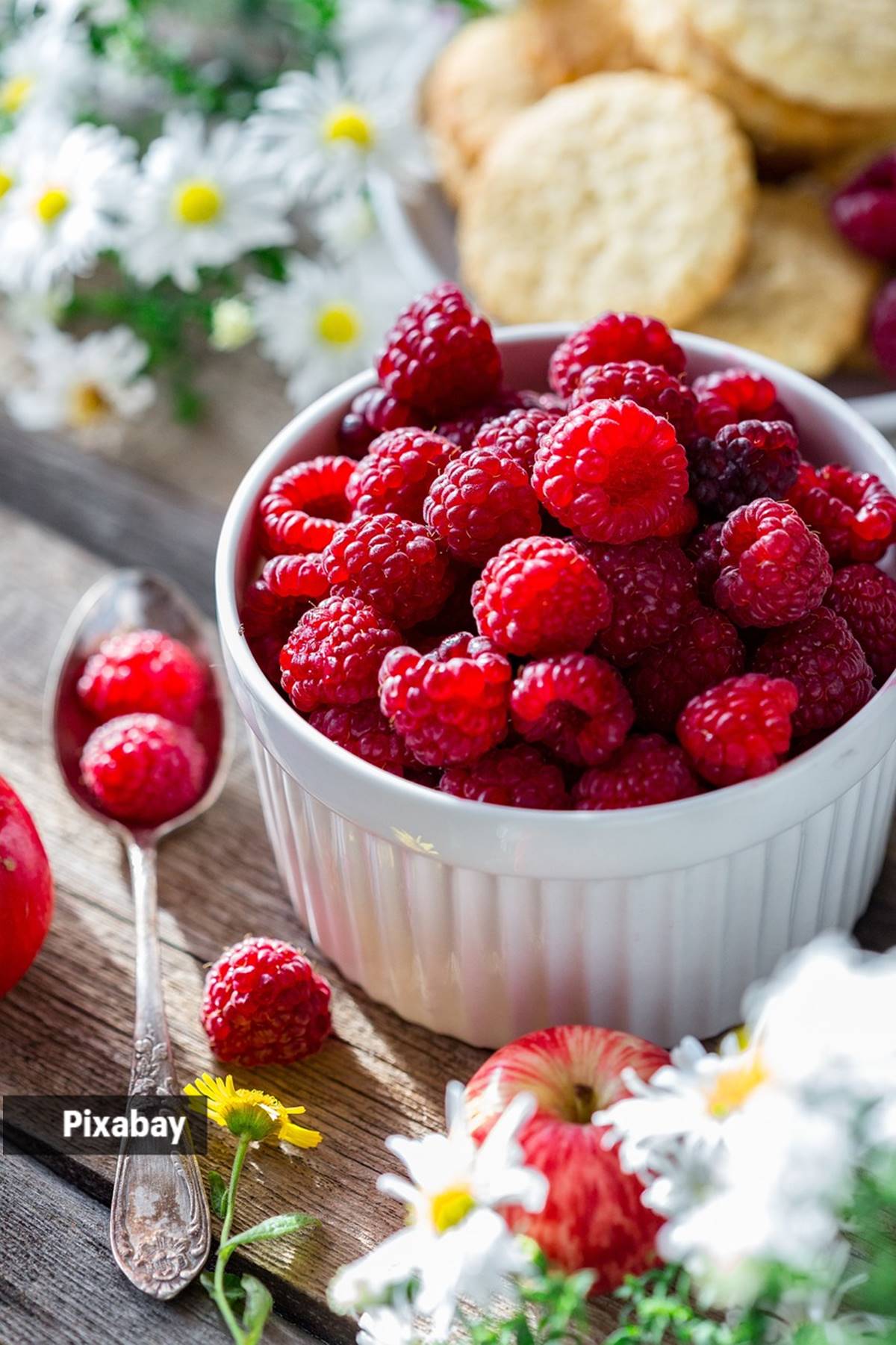
In the vibrant tapestry of nature’s bounty, few fruits possess the unassuming elegance and profound power of the raspberry. A delicate jewel, cradled in its verdant cup, it whispers promises of summer and sweetness. Yet, beneath its velvety skin and succulent flesh lies a formidable warrior, a crimson guardian engaged in an unseen, silent war within our very cells. This is the story of how raspberries, with their intricate chemistry, rise to the challenge of oxidative stress, deploying a sophisticated arsenal to protect, repair, and rejuvenate, ultimately contributing to our longevity and well-being.
Our journey begins not in a sun-drenched field, but in the pulsating heart of our cellular existence, where life’s fundamental processes unfold. It is here that we encounter the adversary: oxidative stress.
Part 1: Unmasking the Silent Saboteurs – Understanding Oxidative Stress
Imagine a bustling factory, meticulously organized and running with precision. Now imagine rogue sparks flying, short-circuiting machinery, and causing chaos. This analogy begins to capture the essence of free radicals and reactive oxygen species (ROS) within our bodies.
The Genesis of the Enemy:
Free radicals are molecules with one or more unpaired electrons, making them inherently unstable and highly reactive. In their desperate quest for stability, they scavenge electrons from other stable molecules – DNA, proteins, lipids – initiating a chain reaction of damage. ROS, a broader category, includes free radicals like the superoxide radical (O2•−) and the hydroxyl radical (•OH), as well as non-radical species like hydrogen peroxide (H2O2), which can readily convert into free radicals.
These destructive entities are not merely external invaders; they are an inescapable byproduct of life itself. Our mitochondria, the powerhouse of our cells, generate ROS as a natural consequence of converting food into energy (ATP). Phagocytic cells, part of our immune system, deliberately produce ROS to destroy invading pathogens. Even environmental factors – pollution, UV radiation, cigarette smoke, certain chemicals, and chronic psychological stress – contribute significantly to their burden.
The Cascade of Damage:
When the production of free radicals and ROS overwhelms the body’s intrinsic antioxidant defenses, oxidative stress ensues. This imbalance is akin to a dam overflowing, leading to a cascade of cellular devastation:
- DNA Damage: Free radicals can attack the nucleotide bases and the sugar-phosphate backbone of DNA, leading to mutations, strand breaks, and cross-linking. This damage can disrupt gene expression, impair cellular function, and, critically, initiate carcinogenesis.
- Lipid Peroxidation: Cell membranes, rich in polyunsaturated fatty acids, are particularly vulnerable. Free radicals oxidize these lipids, generating lipid peroxides and reactive aldehydes (like malondialdehyde, MDA). This process compromises membrane integrity, altering fluidity, permeability, and signal transduction, ultimately leading to cell death.
- Protein Carbonylation: Proteins, the workhorses of the cell, are also targets. Oxidative modification can alter their structure, leading to misfolding, aggregation, and loss of function. Enzymes become inactive, structural proteins lose their integrity, and signaling pathways are disrupted.
The Unseen Link to Chronic Disease:
The insidious nature of oxidative stress lies in its pervasive role in the pathogenesis of numerous chronic diseases. It acts as a common thread, weaving through the development and progression of:
- Cardiovascular Diseases: Oxidized LDL cholesterol is a key initiator of atherosclerosis. Oxidative stress also impairs endothelial function, contributes to hypertension, and promotes inflammation in blood vessels.
- Neurodegenerative Diseases: The brain, with its high oxygen consumption and lipid content, is highly susceptible. Oxidative damage to neurons and glia is implicated in Alzheimer’s, Parkinson’s, and Huntington’s diseases.
- Cancer: Chronic oxidative stress drives mutations, promotes inflammation, suppresses apoptosis (programmed cell death), and stimulates cell proliferation, creating a fertile ground for tumor development.
- Diabetes: Oxidative stress contributes to insulin resistance, pancreatic beta-cell dysfunction, and the development of diabetic complications like neuropathy, nephropathy, and retinopathy.
- Inflammatory Conditions: Oxidative stress and inflammation form a vicious cycle, each exacerbating the other. Many chronic inflammatory diseases, from arthritis to inflammatory bowel disease, have a significant oxidative component.
- Aging: The "free radical theory of aging" posits that cumulative oxidative damage over a lifetime contributes significantly to the aging process and age-related decline.
Our bodies possess an innate defense system, including powerful antioxidant enzymes like superoxide dismutase (SOD), catalase, and glutathione peroxidase, along with endogenous non-enzymatic antioxidants like glutathione. However, modern lifestyles, environmental stressors, and the sheer volume of metabolic activity often tip the balance, leaving our cells vulnerable. This is where the raspberry steps onto the battlefield, a small but mighty ally in our defense.
Part 2: The Raspberry’s Arsenal – A Symphony of Phytochemicals
The true power of the raspberry lies not in a single compound, but in a synergistic symphony of bioactive molecules, each playing a crucial role in its antioxidant and anti-inflammatory prowess. This intricate ensemble works in concert, providing a multi-pronged defense strategy against oxidative stress.
1. Anthocyanins: The Crimson Guardians
These are the pigments responsible for the raspberry’s characteristic deep red hue, and they are arguably its most celebrated defenders. Anthocyanins are a subclass of flavonoids, and within raspberries, cyanidin-based anthocyanins (e.g., cyanidin-3-glucoside, cyanidin-3-rutinoside, cyanidin-3-sophoroside) are particularly abundant.


Post Comment