Fiber, Flavonoids, and Folate: Breaking Down the Raspberry’s Nutritional Profile
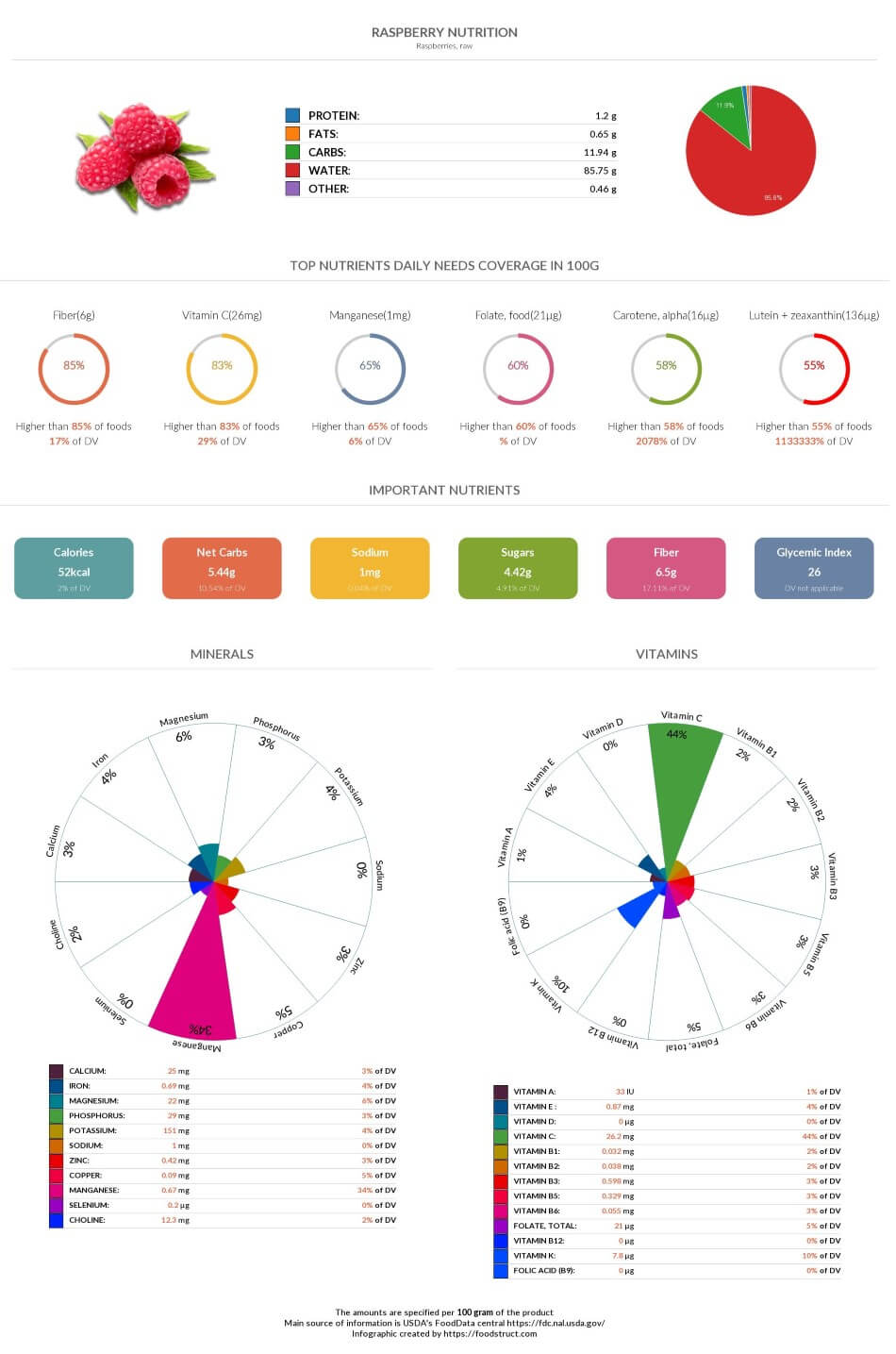
The humble raspberry, a jewel-toned fruit gracing summer tables and frozen aisles, is often cherished for its vibrant color, delicate sweetness, and tart undertones. Its singular burst of flavor evokes memories of warm days and bountiful harvests. Yet, beneath this delectable facade lies a profound nutritional complexity, a meticulously crafted biological package designed by nature with remarkable precision. For the knowledgeable palate, the raspberry is far more than a culinary delight; it is a sophisticated delivery system for an array of bioactive compounds, each playing a crucial role in human health.
In this deep dive, we journey beyond the superficial enjoyment of the raspberry to uncover the intricate symphony of its key nutritional players: dietary fiber, a diverse array of flavonoids, and the essential B-vitamin, folate. We will not merely list their presence but embark on a narrative exploration of their individual mechanisms, their synergistic interactions, and the far-reaching implications they hold for our physiological well-being. This is the story of how a small berry contributes monumentally to the grand narrative of human health, a testament to the power of whole foods.
The Unsung Hero: Dietary Fiber and the Raspberry’s Gut-Health Legacy
To begin our exploration, we turn to the most abundant, yet often underappreciated, component of the raspberry: dietary fiber. Often dismissed as mere "roughage," fiber is, in fact, a foundational pillar of health, and the raspberry stands as a prime exemplar of its profound benefits. With approximately 8 grams of fiber per cup, raspberries are among the most fiber-dense fruits, a fact that underpins many of their celebrated health effects.
Understanding the Dual Nature of Fiber:
Dietary fiber is broadly categorized into two main types, each with distinct physiological roles: soluble and insoluble fiber. The raspberry, remarkably, offers a rich blend of both, creating a comprehensive benefit profile.
-
Insoluble Fiber: This type of fiber does not dissolve in water. It acts as a bulking agent, passing through the digestive system relatively intact. In raspberries, much of this comes from the tiny seeds and the structural components of the fruit. Its primary role is to promote regularity, prevent constipation, and maintain a healthy bowel transit time. By adding mass to stool, insoluble fiber facilitates its movement through the colon, preventing stagnation and reducing the exposure of the intestinal lining to potential toxins. This mechanical action is crucial for colon health, potentially reducing the risk of diverticulosis and certain forms of colorectal cancer. It’s the physical "scrub brush" of the digestive tract.
-
Soluble Fiber: Dissolving in water, soluble fiber forms a gel-like substance in the digestive tract. Pectin, a prominent soluble fiber found in raspberries (and responsible for their gelling properties in jams), is a key example. This viscous gel performs several critical functions. Firstly, it slows down gastric emptying and the absorption of glucose, leading to a more gradual rise in blood sugar levels after a meal. This makes raspberries an excellent choice for individuals managing blood sugar, including those with type 2 diabetes. Secondly, soluble fiber can bind to cholesterol in the digestive tract, facilitating its excretion and thereby contributing to lower LDL ("bad") cholesterol levels, supporting cardiovascular health. Thirdly, and perhaps most profoundly, soluble fiber serves as a potent prebiotic.
The Prebiotic Effect: Feeding the Microbiome, Nurturing Health:
The role of soluble fiber as a prebiotic is where its story truly unfolds, connecting directly to the burgeoning field of gut microbiome research. Prebiotics are non-digestible food ingredients that selectively stimulate the growth and/or activity of beneficial bacteria in the colon. When the soluble fibers from raspberries reach the large intestine, they are fermented by commensal bacteria, particularly those belonging to the Bifidobacterium and Lactobacillus genera.
This fermentation process yields a wealth of beneficial compounds, most notably Short-Chain Fatty Acids (SCFAs) such as butyrate, acetate, and propionate. Butyrate, in particular, is a cornerstone of gut health. It serves as the primary energy source for colonocytes (cells lining the colon), promoting their health, integrity, and preventing "leaky gut." Beyond the gut, SCFAs exert systemic effects:
- Anti-inflammatory Action: SCFAs have been shown to modulate immune responses, reducing systemic inflammation, a driver of numerous chronic diseases.
- Immune System Modulation: A healthy gut microbiome, fueled by fiber, is intrinsically linked to a robust immune system.
- Metabolic Regulation: SCFAs can influence hormone signaling related to satiety and energy expenditure, potentially aiding in weight management. They may also improve insulin sensitivity.
- Neurotransmitter Production: The gut-brain axis is a two-way street, and a healthy gut microbiome can influence mood and cognitive function through the production of neurotransmitters and other signaling molecules.
The Raspberry’s Fiber Legacy:
By providing a significant dose of both soluble and insoluble fiber, the raspberry contributes to a holistic approach to digestive health. It ensures regular bowel movements, moderates blood sugar and cholesterol, and critically, nourishes the trillions of microorganisms that constitute our gut microbiome. In an era where modern diets are often severely deficient in fiber – with the average adult consuming far less than the recommended 25-38 grams daily – the raspberry stands as a potent and delicious solution, actively combating the "fiber gap" and laying a strong foundation for overall well-being. Its fiber content is not merely a quantity but a quality, a complex matrix designed to optimize gut function and, by extension, systemic health.
The Colorful Protectors: Flavonoids and the Raspberry’s Antioxidant Shield
Moving beyond the structural and fermentable, we delve into the vibrant world of flavonoids, the pigments and protective compounds that give the raspberry its captivating hue and much of its potent bioactivity. Flavonoids are a vast and diverse class of polyphenolic compounds found abundantly in plants, where they serve crucial roles in pigmentation, UV protection, and defense against pathogens. In humans, their consumption has been consistently linked to a reduced risk of various chronic diseases, a testament to their remarkable biochemical versatility.
Raspberry’s Rich Flavonoid Tapestry:
Raspberries are particularly rich in several key classes of flavonoids, each contributing to its overall health profile:


Post Comment