From Garden to Pharmacy: Why You Should Grow Bitter Melon This Year
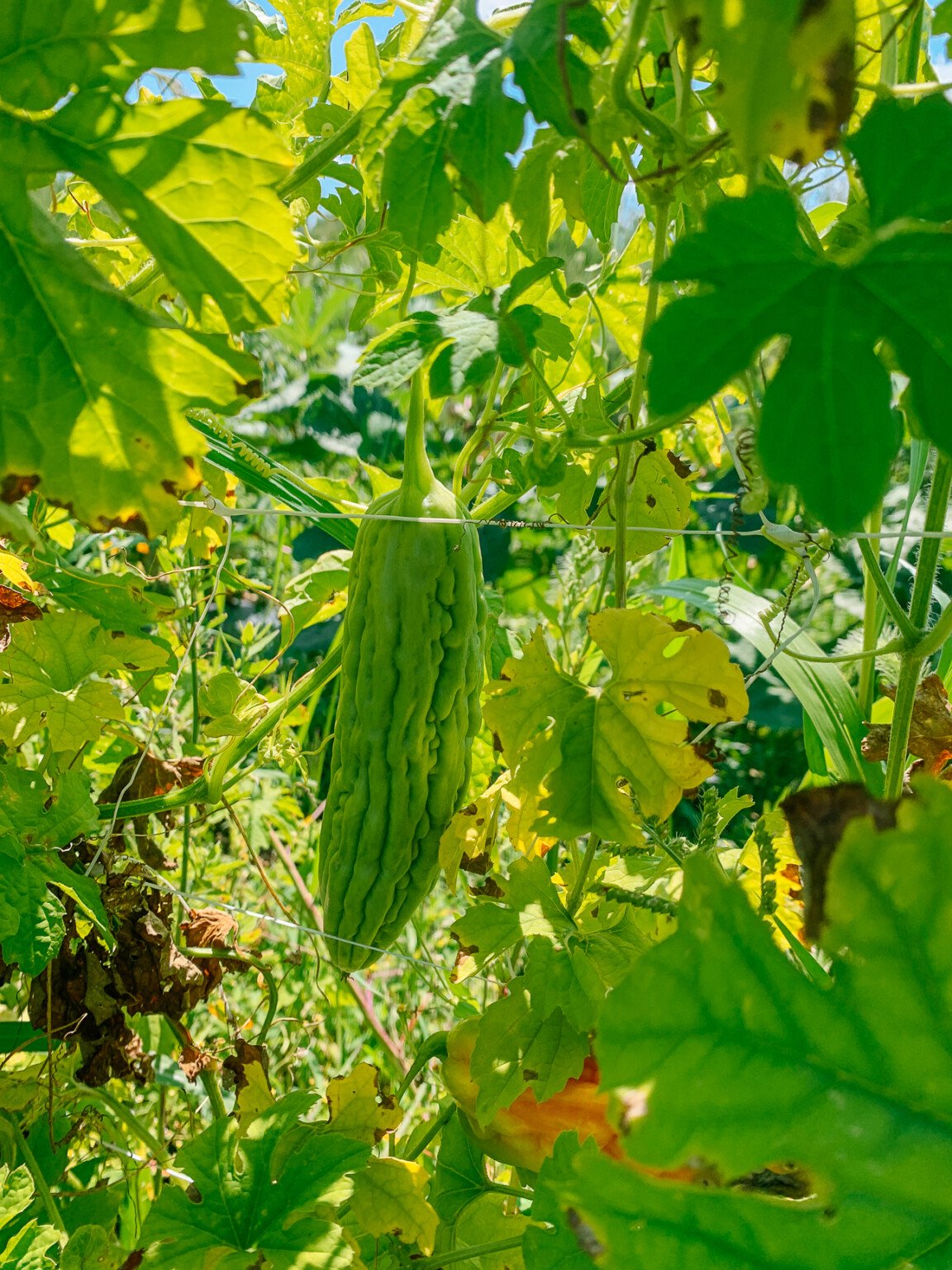
In the verdant tapestry of our planet’s botanical wonders, some plants whisper their secrets gently, while others, like a wise elder with a stern but loving gaze, demand attention with a powerful, unmistakable presence. Among the latter stands Momordica charantia, affectionately known across continents as bitter melon, bitter gourd, karela, or ampalaya. It is a plant that challenges the palate with an intensity unmatched by almost any other vegetable, yet it rewards the persistent with a trove of health benefits so profound they blur the lines between food and medicine.
This year, as the world continues its quest for holistic well-being and a deeper connection to nature, there is a compelling narrative waiting to unfold in your very own garden: the story of bitter melon. It’s a journey from a humble seed to a vibrant vine, from a challenging taste to a powerful pharmacy, promising not just a harvest, but a transformation. For the knowledgeable audience, those who seek to understand the ‘why’ behind the ‘what,’ this is an invitation to explore the multifaceted world of bitter melon, a plant whose time has truly come.
The Pedigree of Pungency: A Global Odyssey
Our story begins not in a sterile lab, but in the sun-drenched fields and ancient kitchens of India and Southeast Asia, where Momordica charantia first emerged as a culinary and medicinal staple thousands of years ago. Its lineage is steeped in traditional wisdom, making it a venerable elder in the botanical world. From its likely origins, it embarked on a slow but steady migration, carried by traders, healers, and intrepid explorers, spreading its roots across the globe.
In India, it became an integral part of Ayurvedic medicine, revered for its ability to balance the doshas and purify the blood. Known as "karela," it found its way into countless curries, stir-fries, and pickles, its bitterness understood not as a flaw, but as a signature of its potent healing properties. Further east, in China, it was embraced by Traditional Chinese Medicine (TCM), prescribed to clear heat, detoxify the body, and support digestive health. The Chinese variety, often lighter green and with smoother, more undulating ridges, became a common sight in markets and home gardens, stir-fried with eggs or pork, or brewed into therapeutic teas.
The plant’s journey continued, reaching the Caribbean islands where it was adopted into local pharmacopeias and cuisines, often prepared as a refreshing juice or cooked into stews. In the Philippines, "ampalaya" became a beloved, if challenging, ingredient, celebrated in dishes like pinakbet or ginisang ampalaya. Across Africa and parts of South America, similar stories unfolded, with local communities integrating bitter melon into their diets and traditional healing practices, each culture adapting its preparation to mitigate the intensity of its flavor while harnessing its powerful benefits.
This global tapestry underscores a fundamental truth: disparate cultures, across vast distances and without modern scientific communication, independently recognized and utilized the profound medicinal qualities of this unique plant. This shared wisdom, passed down through generations, forms the bedrock upon which modern science now builds its understanding.
Cultivating the Bitter Blessing: Your Garden’s Green Gold
The decision to grow bitter melon yourself is a profound act of self-reliance and a testament to your commitment to health. It’s an intimate connection to your food and medicine, allowing you to control every aspect of its cultivation, from soil to harvest. For the knowledgeable gardener, it offers a rewarding challenge and a bountiful yield.
Choosing Your Champions: Bitter melon varieties vary, typically categorized by their origin. The Indian varieties tend to be smaller, darker green, and have pointed, jagged ridges, offering a more intense bitterness. The Chinese varieties are larger, lighter green, and have smoother, wavier skin, often with a slightly milder flavor profile. Both are excellent choices, and your preference might depend on your culinary intentions or aesthetic appreciation.
The Right Environment: Bitter melon thrives in warm, humid climates, mirroring its tropical origins. It requires ample sunshine – at least 6-8 hours daily – and consistently moist, well-draining soil rich in organic matter. A slightly acidic to neutral pH (6.0-7.0) is ideal. If you live in a cooler climate, consider starting seeds indoors 4-6 weeks before the last frost and providing a sheltered, sunny spot or even a greenhouse for optimal growth.
Planting and Nurturing:
- Starting Seeds: Bitter melon seeds have a hard coat, which benefits from scarification (gently scratching the surface) or soaking in warm water for 24 hours to aid germination. Plant seeds about an inch deep, 12-18 inches apart, in rows that are 3-4 feet apart.
- Trellising is Key: This is a non-negotiable aspect of growing bitter melon. These vines are vigorous climbers, and providing a sturdy trellis, netting, or even an arbor is crucial. Not only does it save space, but it also improves air circulation (reducing fungal diseases) and keeps the fruit off the ground, preventing rot and pest damage. The vines will readily climb, attaching themselves with delicate tendrils.
- Watering and Feeding: Consistent moisture is vital, especially during flowering and fruiting. Aim for deep watering, avoiding overhead irrigation to minimize leaf diseases. Bitter melon is a hungry plant, benefiting from regular feeding with a balanced organic fertilizer or compost tea, particularly once flowering begins.
- Pest and Disease Management: Like most cucurbits, bitter melon can be susceptible to powdery mildew, cucumber beetles, and aphids. Organic solutions include neem oil, insecticidal soap, and encouraging beneficial insects. Good air circulation (thanks to trellising!) and proper watering practices are your best preventative measures.
The Joy of Harvest: Bitter melon fruits are typically ready for harvest 60-90 days after planting, depending on the variety. The optimal time to pick them is when they are still green and firm. If left on the vine too long, they will turn yellow-orange, soften, and become excessively bitter, with red seeds that are sweet but not typically consumed. Harvest regularly to encourage continuous fruiting. A healthy vine can produce prolifically throughout the growing season, offering a steady supply of this extraordinary vegetable.
There’s a profound satisfaction in plucking a vibrant green bitter melon from your own vine, knowing exactly where it came from and the care that went into its growth. This direct connection is the first step in unlocking its full potential as a "pharmacy" in your backyard.
The Pharmacy Within: Unpacking Bitter Melon’s Medicinal Marvels
The intensity of bitter melon’s taste is not a mere quirk; it is a declaration of its potent medicinal properties. The very compounds responsible for that challenging flavor are the ones that bestow its remarkable health benefits. For the knowledgeable audience, understanding these mechanisms is crucial to appreciating its value.
The Bitter Truth: Key Bioactive Compounds
The complexity of bitter melon’s pharmacological profile lies in its rich array of phytochemicals. These include:
- Triterpenoids: Such as momordicosides, cucurbitacins, and charantin. Charantin is particularly noted for its hypoglycemic effects.
- Glycosides: Contributing to its bitter taste and therapeutic actions.
- Polypeptide-p (or plant insulin): A protein that mimics bovine insulin in structure and function, showing promise in lowering blood sugar levels.
- Alkaloids: Like momordicine.


Post Comment