The Ancient Elixir of Slumber: How Jujube Extract Unravels Insomnia’s Grip
In the relentless hum of the 21st century, sleep has become a coveted luxury, an elusive prize pursued by millions caught in the unforgiving currents of stress, digital stimulation, and societal demands. The statistics paint a stark picture: a significant portion of the global population grapples with some form of sleep disturbance, from transient insomnia to chronic sleeplessness. As the search for repose intensifies, many turn to the well-trodden paths of pharmaceuticals, often finding themselves ensnared in cycles of dependency and unwelcome side effects. Yet, in this modern quest for tranquility, a whisper from antiquity echoes, offering a gentle, natural alternative: the humble jujube fruit.
For millennia, nestled within the sprawling pharmacopeia of Traditional Chinese Medicine (TCM), the jujube, specifically its seed (Suan Zao Ren), has been revered as a potent anxiolytic and hypnotic. Its story is not merely one of botanical curiosity but a testament to empirical observation refined over countless generations, now being validated by the rigorous lens of modern scientific inquiry. To the knowledgeable audience, aware of the complexities of neurobiology and the intricate dance of phytochemicals, the narrative of jujube extract as a natural sedative is far more than anecdotal folklore; it is a compelling tale of synergistic compounds interacting with the delicate machinery of the human nervous system.
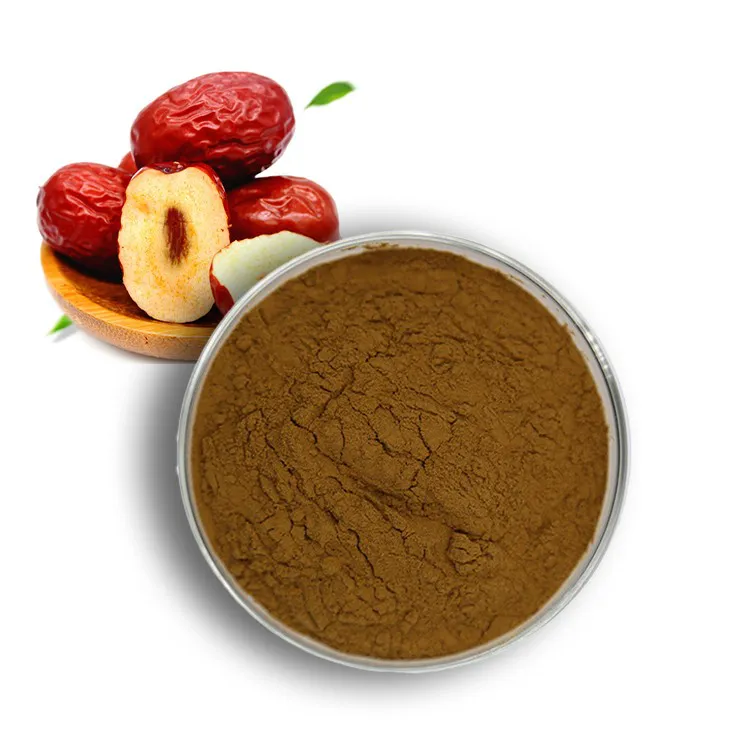
Our journey into the heart of jujube’s sedative prowess begins with understanding the fruit itself. Ziziphus jujuba, also known as the Chinese date, is a small, reddish-brown fruit with a sweet, apple-like flavor. Originating in South Asia, it has been cultivated for over 4,000 years, spreading across Asia, Europe, and eventually to the Americas. While the fruit is cherished for its nutritional value—rich in vitamins, minerals, and antioxidants—it is the seed and, by extension, the concentrated extract derived from it, that holds the key to its celebrated sleep-inducing properties.
The "story" of jujube’s sedative action is a multi-layered narrative, woven from the intricate interplay of its diverse bioactive compounds. It’s not a single "magic bullet" but a symphony of phytochemicals working in concert, each playing a crucial role in modulating the complex pathways that govern wakefulness, anxiety, and the initiation and maintenance of sleep. For the discerning mind, the mechanisms are fascinating, touching upon neurotransmitter systems, hormonal regulation, inflammatory pathways, and even the nascent understanding of the gut-brain axis.
The GABAergic Gateway: Unlocking Tranquility
At the forefront of jujube’s sedative narrative is its profound interaction with the gamma-aminobutyric acid (GABA)ergic system. GABA is the primary inhibitory neurotransmitter in the central nervous system, acting as the brain’s natural brake pedal. When GABA binds to its receptors, particularly the GABA-A receptors, it opens chloride channels, leading to an influx of negatively charged chloride ions into the neuron. This hyperpolarizes the neuron, making it less likely to fire an action potential, thus reducing neuronal excitability and promoting a state of calm and relaxation conducive to sleep.
Many conventional sedatives, such as benzodiazepines and "Z-drugs," exert their effects by enhancing GABAergic transmission. They don’t directly activate GABA receptors but rather act as allosteric modulators, binding to distinct sites on the GABA-A receptor complex and increasing the frequency or duration of chloride channel opening when GABA is present. The brilliance of jujube extract lies in its ability to achieve a similar, albeit gentler and more physiological, effect through its own unique phytochemical arsenal.
The key players in this GABAergic interaction are primarily a class of triterpenoid saponins known as jujubosides, particularly jujuboside A and jujuboside B, and various flavonoids, such as spinosin and swertisin. Research has illuminated that these compounds can bind to specific sites on the GABA-A receptor complex, much like benzodiazepines, acting as positive allosteric modulators. They don’t directly mimic GABA but enhance GABA’s own inhibitory effects, leading to a more pronounced calming and sedative outcome.
Imagine the GABA-A receptor as a finely tuned lock, and GABA as the master key. Jujubosides and flavonoids don’t pick the lock; instead, they subtly reshape the keyhole, making it easier for the master key (GABA) to turn and unlock the door to neuronal inhibition. This nuanced interaction is crucial because it suggests a more balanced and less disruptive modulation of brain activity compared to pharmaceutical drugs that can sometimes overwhelm the system. The result is a reduction in neuronal firing, a dampening of excitatory signals, and a gentle descent into somnolence without the heavy-handed suppression often associated with synthetic compounds.
Furthermore, some research suggests that jujube compounds might also influence GABA synthesis or metabolism, potentially increasing the availability of GABA itself in the brain. This multi-pronged approach – enhancing GABA’s efficacy at the receptor level and possibly boosting its supply – paints a comprehensive picture of how jujube extract steers the brain towards a state of restful inhibition.
Beyond GABA: A Symphony of Neurotransmitter Modulation
While the GABAergic system is a cornerstone, jujube’s story doesn’t end there. Its narrative broadens to encompass other critical neurotransmitter systems, painting a more holistic picture of its sedative action.
Serotonin (5-HT) Pathways: Serotonin is often dubbed the "feel-good" neurotransmitter, intricately involved in mood, anxiety, and sleep-wake cycles. Low serotonin levels are linked to depression and anxiety, both of which are significant disruptors of sleep. Jujube extract has been shown to potentially influence serotonin levels and receptor activity. Some studies suggest that its compounds may increase serotonin synthesis or enhance its signaling, thereby improving mood and reducing anxiety. A more balanced serotonin system translates directly into a calmer mind, less prone to the ruminations and worries that often steal sleep.
Dopamine and Noradrenaline Regulation: While GABA and serotonin promote calm, dopamine and noradrenaline (norepinephrine) are generally excitatory, playing roles in alertness, motivation, and the stress response. An overactive dopaminergic or noradrenergic system can lead to heightened arousal and difficulty falling asleep. Jujube extract has demonstrated an ability to modulate these systems, subtly reducing the overactivity of excitatory pathways. By gently reining in these "go" signals, jujube helps shift the brain from a state of hyper-vigilance to one of relaxed readiness for sleep. This isn’t about shutting down these systems entirely but bringing them into a healthier balance.
Acetylcholine and Adenosine: The intricate web of sleep regulation also involves acetylcholine, crucial for REM sleep, and adenosine, which accumulates during wakefulness and promotes sleepiness. While direct interactions are less explored, the overall calming effect of jujube extract on the nervous system would naturally influence the optimal functioning of these pathways, ensuring a smoother transition through sleep stages and a more restorative rest.
The Anti-Inflammatory and Antioxidant Chapters: Protecting the Brain for Rest
The story of sleep is not solely about neurotransmitters; it’s also about the brain’s overall health and resilience. Chronic inflammation and oxidative stress are increasingly recognized as significant contributors to sleep disturbances and other neurological dysfunctions. Jujube extract, with its rich profile of flavonoids, phenolic compounds, and vitamins, brings potent anti-inflammatory and antioxidant properties to its sedative narrative.
Anti-Inflammatory Action: Neuroinflammation, even at low levels, can disrupt neuronal function, alter neurotransmitter balance, and impair sleep architecture. Pro-inflammatory cytokines like IL-1β, IL-6, and TNF-α are known to promote wakefulness and disrupt REM sleep. Jujube extract’s compounds have been shown to inhibit the production of these inflammatory mediators and suppress the activation of inflammatory pathways (e.g., NF-κB). By quelling neuroinflammation, jujube helps create a more conducive environment for the brain to transition into and maintain restorative sleep. It’s akin to ensuring the sleep chamber is free from irritants, allowing for undisturbed rest.
Antioxidant Defense: The brain, with its high metabolic rate and lipid-rich membranes, is particularly vulnerable to oxidative stress – an imbalance between the production of reactive oxygen species and the body’s ability to detoxify them. Oxidative damage can impair neuronal signaling, damage cellular structures, and contribute to neurodegenerative processes that indirectly affect sleep. Jujube’s powerful antioxidant compounds, including vitamin C, polyphenols, and flavonoids, act as free radical scavengers, neutralizing harmful oxidants and protecting brain cells from damage. This protective shield ensures the optimal functioning of neuronal networks essential for sleep regulation, safeguarding the delicate mechanisms that orchestrate our nightly repose.
The Adaptogenic Whisper: Taming the Stress Response
A significant antagonist in the story of sleep is chronic stress. The hypothalamic-pituitary-adrenal (HPA) axis, our central stress response system, when perpetually activated, floods the body with cortisol and other stress hormones, keeping us in a state of hyperarousal. This "fight or flight" mode is inherently antithetical to sleep. Here, jujube extract introduces an adaptogenic-like chapter to its narrative.
While not a classic adaptogen in the same vein as ginseng or ashwagandha, jujube extract demonstrates properties that help modulate the stress response. By calming the nervous system (via GABAergic enhancement) and potentially influencing the HPA axis, jujube can help reduce the physiological manifestations of stress. Lower levels of anxiety, a more balanced mood (through serotonin modulation), and a reduction in the release of stress hormones create a more relaxed internal state, allowing the body and mind to unwind naturally. For the knowledgeable audience, this suggests that jujube isn’t just a band-aid for sleeplessness but a gentle modulator that addresses one of its root causes: the pervasive grip of chronic stress. It helps the body adapt to stressors more effectively, preventing the cascade of physiological events that hijack sleep.
The Gut-Brain Axis: An Emerging Chapter
The latest and perhaps most intriguing chapter in the story of jujube’s sedative action involves the burgeoning understanding of the gut-brain axis. This bidirectional communication pathway between the gut microbiome and the central nervous system is revolutionizing our understanding of health and disease, including sleep.
The gut microbiota, the trillions of microorganisms residing in our intestines, produces a vast array of neuroactive compounds, including neurotransmitter precursors (like tryptophan for serotonin), short-chain fatty acids (SCFAs), and other metabolites that can influence brain function, mood, and sleep. The vagus nerve, a major conduit of this communication, directly transmits signals from the gut to the brain.
Jujube fruit, being rich in dietary fiber and various polysaccharides, acts as a prebiotic, nourishing beneficial gut bacteria. By fostering a healthier and more diverse gut microbiome, jujube extract could indirectly promote sleep through several mechanisms:
- Increased Neurotransmitter Precursors: A healthy gut can optimize the production of tryptophan, a precursor to serotonin and melatonin (the sleep hormone).
- SCFA Production: Beneficial bacteria ferment dietary fibers into SCFAs like butyrate, propionate, and acetate. These SCFAs can cross the blood-brain barrier and influence brain function, including anti-inflammatory effects and neurotransmitter synthesis, potentially contributing to a calmer state.


Post Comment