More Than Just Vitamin C: Exploring the Antioxidant Properties of Guava
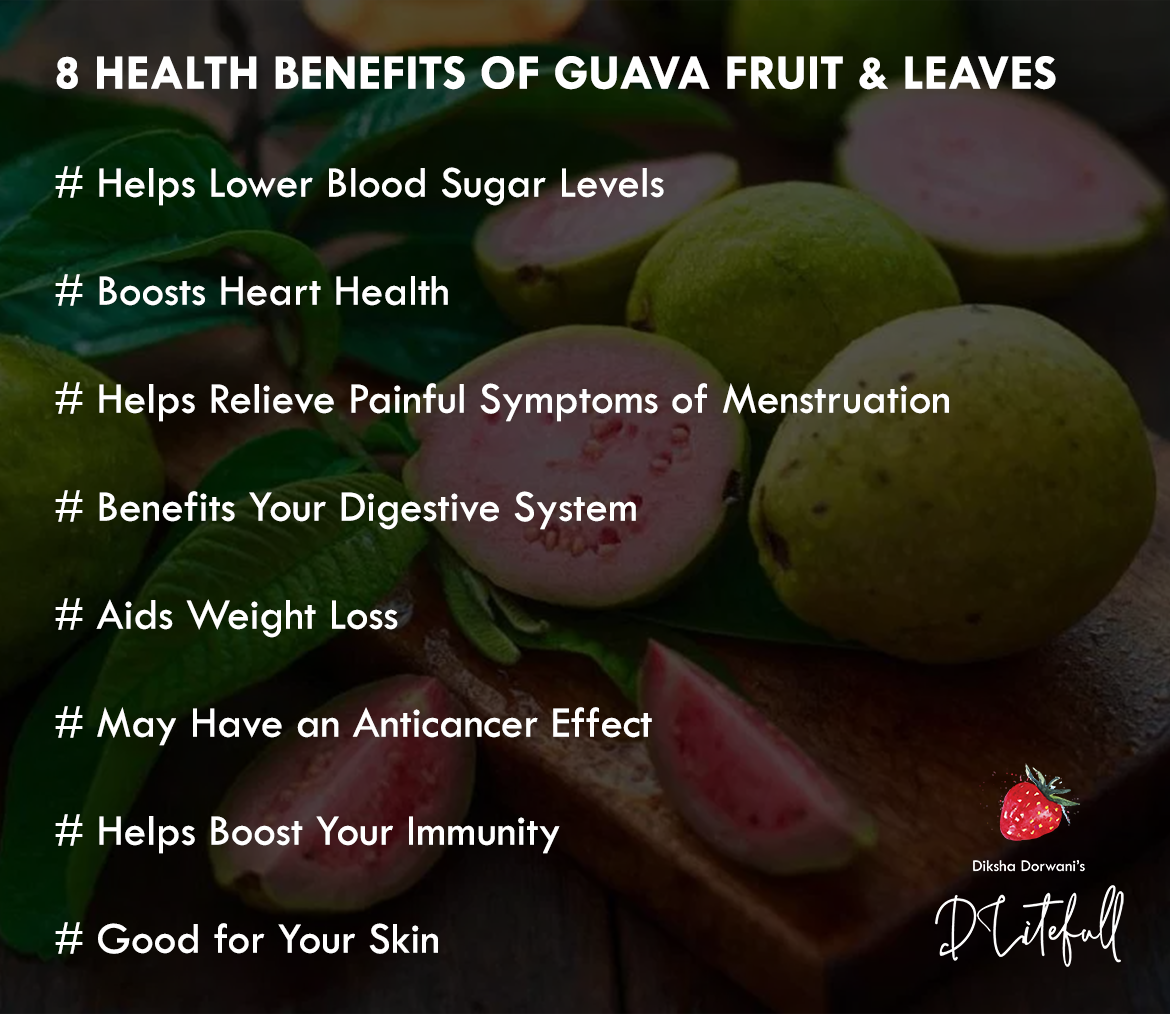
In the vibrant tapestry of tropical fruits, the guava often plays a quiet, unassuming role. Its sweet, musky aroma and delicate, often pink, flesh belie a formidable inner strength. For decades, guava has been lauded primarily for its astonishingly high Vitamin C content – a single fruit often eclipsing the daily recommended intake. Yet, to confine our appreciation of this botanical gem to merely Vitamin C would be to miss a much grander story, a complex symphony of bioactive compounds working in concert. This is a story not just of a nutrient, but of a holistic antioxidant powerhouse, a tale of cellular protection, and a testament to nature’s profound pharmacy.
Our journey begins not with a single hero, but with an understanding of the silent war that rages within our bodies every second of every day: the battle against oxidative stress.
The Silent War Within: Understanding Oxidative Stress
Imagine your cells as bustling miniature cities, constantly performing myriad functions to sustain life. Like any city, they generate waste and byproducts. Among these are highly reactive molecules known as free radicals. These are atoms or groups of atoms with an unpaired electron, making them inherently unstable and desperate to achieve stability by stealing electrons from other molecules. This act of theft initiates a destructive chain reaction, akin to a domino effect, damaging cellular components like DNA, proteins, and lipids.
This imbalance between the production of free radicals and the body’s ability to neutralize them is what we term oxidative stress. It’s a natural consequence of metabolism, exacerbated by external factors such as pollution, UV radiation, smoking, poor diet, and chronic inflammation. While a certain level of free radical activity is essential for cellular signaling and immune function, an unchecked surge leads to widespread cellular damage, accelerated aging, and is implicated in the pathogenesis of a vast array of chronic diseases: cardiovascular disease, neurodegenerative disorders like Alzheimer’s and Parkinson’s, various forms of cancer, diabetes, and even autoimmune conditions.
The body possesses an intricate, endogenous antioxidant defense system – enzymes like superoxide dismutase (SOD), catalase (CAT), and glutathione peroxidase (GPx) – that work tirelessly to disarm these rogue molecules. However, modern lifestyles and environmental stressors often overwhelm these internal defenses, necessitating external support. This is where dietary antioxidants step onto the stage, and where the unassuming guava begins to reveal its true prowess.
Guava: A Botanical Marvel with Ancient Roots
Before delving into its biochemical secrets, let’s briefly appreciate the source. Psidium guajava, the common guava, is a small, evergreen tree native to Central and South America. Its cultivation dates back thousands of years, revered by indigenous cultures not only for its succulent fruit but for the medicinal properties attributed to its leaves, bark, and roots. Traditional medicine systems across the globe, from Ayurveda to folk remedies in the Caribbean, have long utilized various parts of the guava plant to treat ailments ranging from diarrhea and dysentery to diabetes and wounds. This rich ethnobotanical history serves as a compelling prelude to the scientific investigations that have begun to validate and elucidate the mechanisms behind these time-honored uses.
The fruit itself is a marvel of diversity – round or oval, with a thin, edible skin that can range from green to yellow, encasing a flesh that might be white, yellow, or a vibrant pink or red, dotted with numerous small, hard seeds. Each variety, and indeed each part of the plant, contributes uniquely to its antioxidant story.
Beyond Vitamin C: Guava’s Diverse Antioxidant Arsenal
While Vitamin C justly deserves its accolades, it’s merely the overture in guava’s symphony of antioxidants. Let’s explore the full orchestra:
1. The Vitamin C Foundation: Ascorbic Acid
Indeed, guava is a superstar when it comes to Vitamin C. Ounce for ounce, it can contain several times more Vitamin C than an orange. This water-soluble vitamin is a powerful primary antioxidant, directly neutralizing free radicals (like superoxide and hydroxyl radicals) by donating electrons. It also plays a crucial role in regenerating other antioxidants, such as Vitamin E, and is vital for collagen synthesis, immune function, and iron absorption. Its presence in such high concentrations is undoubtedly a significant contributor to guava’s protective effects, but it is far from the whole story. It’s the robust base upon which other potent compounds build.
2. Carotenoids: The Pigmented Protectors
The vibrant pink and red hues of many guava varieties are a clear indicator of another class of powerful antioxidants: carotenoids. These fat-soluble pigments are not just responsible for color; they are potent free radical scavengers, particularly effective at quenching singlet oxygen, a highly reactive form of oxygen that can inflict severe cellular damage.
- Lycopene: Pink-fleshed guavas are particularly rich in lycopene, the same carotenoid found in tomatoes and watermelons. Lycopene is considered one of the most potent antioxidants among carotenoids, strongly associated with reducing the risk of prostate cancer, cardiovascular disease, and protecting against UV-induced skin damage. Its effectiveness in neutralizing free radicals is well-documented, and its presence in guava significantly elevates the fruit’s antioxidant capacity.
- Beta-carotene: While in lesser amounts than lycopene in pink varieties, beta-carotene is also present, especially in yellow-fleshed guavas. Beta-carotene is a precursor to Vitamin A, crucial for vision, immune function, and skin health. As an antioxidant, it directly neutralizes free radicals and protects cell membranes.
The fat-soluble nature of carotenoids means they offer protective effects in lipid-rich environments within the cell, such as cell membranes, where water-soluble antioxidants like Vitamin C may not easily reach.
3. Polyphenols: The Master Orchestrators
Perhaps the most complex and exciting chapter in guava’s antioxidant narrative lies with its abundant polyphenols. These are a vast group of plant compounds characterized by multiple phenolic units, and they are the true orchestrators of guava’s multifaceted protective effects. Their mechanisms extend far beyond simple direct free radical scavenging, encompassing enzyme modulation, metal chelation, and intricate cell signaling.
- Flavonoids: This diverse subgroup of polyphenols includes compounds like quercetin, rutin, catechin, epicatechin, and kaempferol. Guava leaves, in particular, are exceptionally rich in flavonoids. Flavonoids exert their antioxidant effects through several pathways:
- Direct Scavenging: They can directly donate electrons to free radicals, stabilizing them.
- Metal Chelation: They can bind to metal ions (like iron and copper), preventing them from catalyzing the formation of highly damaging hydroxyl radicals (Fenton reaction).
- Enzyme Modulation: They can influence the activity of enzymes involved in free radical generation (e.g., inhibiting xanthine oxidase) and boost the body’s endogenous antioxidant enzymes (e.g., superoxide dismutase, glutathione reductase).
- Anti-inflammatory Effects: Many flavonoids possess potent anti-inflammatory properties, which indirectly reduce oxidative stress as inflammation is a major generator of free radicals.


Post Comment