The Sustainable Staple: Why Brown Rice is Better for You and the Planet
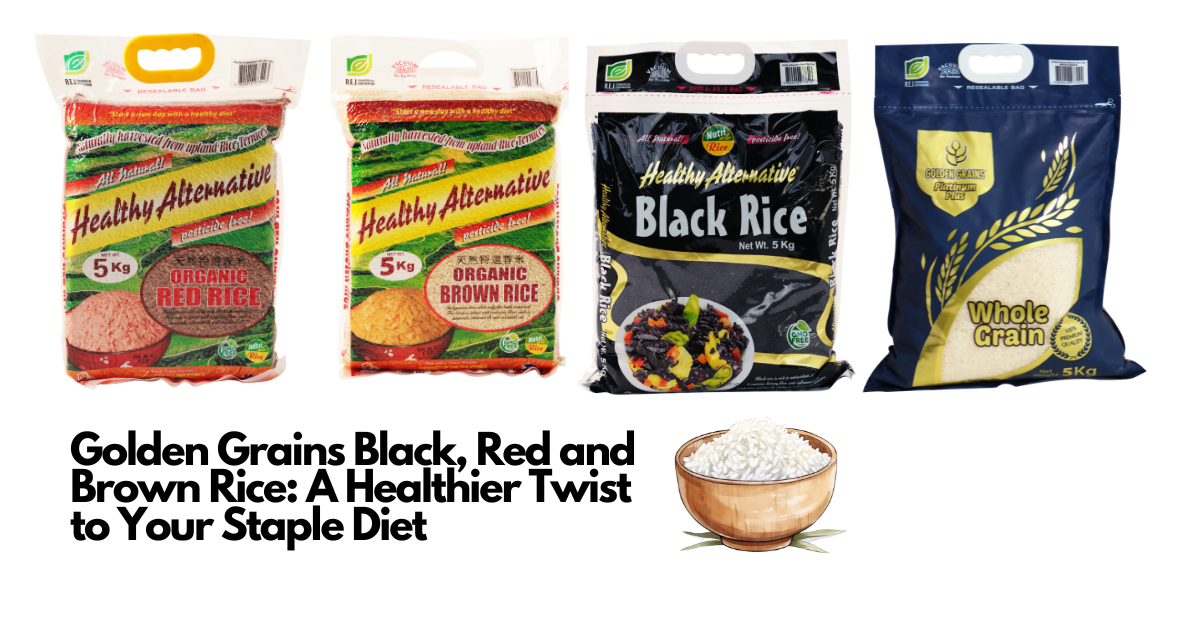
In the vast tapestry of human history, few ingredients have woven themselves as intimately into the fabric of civilizations as rice. From the terraced paddies of Asia to the culinary landscapes of the Americas, this unassuming grain has nourished billions, shaped cultures, and spurred innovations. For millennia, rice has been more than just food; it has been a symbol of sustenance, prosperity, and connection to the earth. Yet, in our modern world, a silent revolution is unfolding, inviting us to look beyond the gleaming white kernels that have dominated our plates and rediscover an ancient, more profound truth: the inherent superiority of brown rice.
This is not merely a dietary recommendation; it is a story – a narrative of transformation, resilience, and conscious choice. It is the story of a grain, stripped of its protective layers for aesthetic appeal and faster cooking, now reclaiming its rightful place as a powerhouse of nutrition and an emblem of environmental stewardship. Our journey into "The Sustainable Staple" will unravel why brown rice is not just a passing trend but a fundamental shift towards a healthier self and a more vibrant planet. For the discerning mind, for the knowledgeable palate, and for the conscious consumer, the argument for brown rice is compelling, multifaceted, and ultimately, irrefutable.
The Unseen Powerhouse: Unpacking "Better for You"
To truly appreciate brown rice, we must first understand what it is, and more importantly, what white rice isn’t. Every grain of rice, in its natural state, is a marvel of biological engineering. It consists of three primary components:
- The Bran: The hard, outer layer that protects the seed. This is where the majority of the fiber, B vitamins, minerals, and antioxidants reside.
- The Germ: The embryo of the seed, located at the base. This tiny powerhouse is packed with healthy fats, vitamin E, B vitamins, and trace minerals.
- The Endosperm: The largest part of the grain, providing nourishment for the germ. It is primarily composed of starchy carbohydrates and a small amount of protein.
When rice is milled to become white rice, the bran and germ layers are meticulously removed through a process of polishing and refining. What remains is primarily the starchy endosperm. While this yields a softer texture, a milder taste, and a longer shelf life, it comes at an enormous nutritional cost. Brown rice, on the other hand, is merely de-hulled, leaving the nutrient-dense bran and germ intact, preserving its inherent goodness. This fundamental difference is the bedrock of its superior health profile.
The Symphony of Macronutrients and Fiber
Brown rice is often lauded as a complex carbohydrate, and for good reason. Unlike the rapid energy spike followed by a crash often associated with simple carbohydrates, the complex carbohydrates in brown rice are digested slowly, providing a sustained release of glucose into the bloodstream. This not only offers consistent energy levels throughout the day but is crucial for managing blood sugar, making it an excellent choice for individuals with diabetes or those looking to prevent metabolic disorders.
But the true star of brown rice’s macronutrient profile is its fiber content. Ounce for ounce, brown rice contains significantly more dietary fiber than white rice. This fiber is a multifaceted hero, playing numerous vital roles in human health:
- Digestive Health: Both soluble and insoluble fibers work in tandem. Insoluble fiber adds bulk to stool, facilitating regular bowel movements and preventing constipation. Soluble fiber, on the other hand, forms a gel-like substance in the digestive tract, which can help regulate digestion and nutrient absorption.
- Satiety and Weight Management: Fiber expands in the stomach, promoting a feeling of fullness that lasts longer. This increased satiety can naturally lead to reduced calorie intake, making brown rice a valuable ally in weight management strategies.
- Cholesterol Reduction: Soluble fiber has a remarkable ability to bind with cholesterol in the digestive system, preventing its absorption and aiding in its excretion. Regular consumption of brown rice can contribute to lower LDL ("bad") cholesterol levels, significantly reducing the risk of heart disease.
- Gut Microbiome Support: Fiber acts as a prebiotic, feeding the beneficial bacteria in our gut. A thriving gut microbiome is increasingly recognized as central to overall health, influencing everything from immunity and mood to nutrient absorption and disease prevention.
Beyond carbohydrates, brown rice contributes a modest yet significant amount of plant-based protein, making it a valuable component of vegetarian and vegan diets. While not a complete protein on its own, when combined with other plant foods throughout the day, it contributes to meeting daily protein requirements, essential for muscle repair, enzyme production, and overall bodily function.
The Micronutrient Treasure Chest
The removal of the bran and germ in white rice strips away a staggering array of micronutrients. Brown rice, however, retains this treasure chest, offering a spectrum of essential vitamins and minerals crucial for optimal health:
- B Vitamins: Brown rice is particularly rich in several B vitamins, including thiamine (B1), niacin (B3), and pyridoxine (B6). These vitamins are indispensable cofactors in numerous metabolic processes, playing critical roles in energy production, nerve function, and the synthesis of DNA and red blood cells. Thiamine, for instance, is vital for converting carbohydrates into energy, while niacin supports healthy skin, nerves, and digestion.
- Minerals: A single serving of brown rice provides a substantial boost of vital minerals:
- Magnesium: Essential for over 300 biochemical reactions in the body, including muscle and nerve function, blood glucose control, and blood pressure regulation. Many individuals are magnesium deficient, making brown rice a valuable dietary source.
- Phosphorus: Crucial for bone and teeth formation, energy storage and use, and kidney function.
- Selenium: A powerful antioxidant that plays a key role in thyroid hormone metabolism and immune function.



Post Comment