From Porridge to Pilaf: A Global Tour of Brown Rice Health Benefits
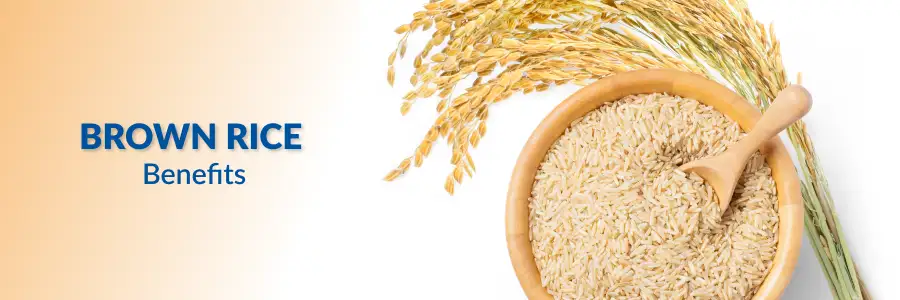
The story of brown rice is as old as civilization itself, a tale woven into the fabric of cultures, economies, and cuisines across the globe. Often overshadowed by its polished counterpart, white rice, the humble brown grain carries within its unadulterated husk a profound narrative of nourishment, resilience, and untapped potential. This is a journey not just through continents and culinary traditions, but through the intricate pathways of human health, revealing how brown rice, from a simple, comforting porridge to a complex, aromatic pilaf, offers a veritable feast of benefits that are as diverse as the dishes it graces.
Our global tour begins not with a bang, but with a quiet rustle in the ancient fields of Asia, where rice cultivation first took root thousands of years ago. Here, the ancestral grains were harvested, dried, and consumed in their whole form – brown rice. It was the food of the people, a staple that fueled empires, sustained families, and laid the foundation for sophisticated agricultural practices. Over time, as processing techniques evolved, the bran and germ were meticulously removed, giving rise to white rice, which offered longer shelf life and a softer texture. Yet, in this refinement, a treasure trove of nutrients was inadvertently discarded.
The Unpolished Truth: What Exactly is Brown Rice?
To understand the profound health benefits of brown rice, we must first appreciate its fundamental structure. Unlike white rice, which has been stripped of its outer layers, brown rice retains three crucial components:
- The Bran: The outermost layer, rich in fiber, B vitamins, minerals (like iron, zinc, and magnesium), and a potent array of antioxidants and phytonutrients. It’s this layer that gives brown rice its distinctive color and chewy texture.
- The Germ: The embryo of the seed, packed with healthy fats, vitamin E, B vitamins, and antioxidants. This is the part that could sprout into a new plant if given the right conditions.
- The Endosperm: The starchy inner layer, which makes up the bulk of the grain and provides carbohydrates (energy) and some protein. Both brown and white rice primarily consist of the endosperm, but in brown rice, it’s encased by the two nutrient-dense outer layers.
It is the presence of the bran and germ that transforms brown rice from a mere energy source into a nutritional powerhouse, a difference that underpins its extensive health advantages.
Chapter 1: The Nutritional Blueprint – A Symphony of Goodness
Imagine a tiny, unassuming grain holding within its core a complex symphony of nutrients, each playing a vital role in human well-being. This is brown rice. Its nutritional profile is a testament to nature’s intelligent design, offering a holistic package that addresses multiple aspects of health.
1. The Fiber Fortress: Perhaps the most celebrated component of brown rice is its dietary fiber content. A single cup of cooked brown rice provides a significant portion of the recommended daily fiber intake. This isn’t just one type of fiber, but a blend of soluble and insoluble fibers.
- Insoluble fiber acts like a broom, sweeping through the digestive tract, adding bulk to stool, and promoting regular bowel movements. This is crucial for preventing constipation, diverticulosis, and supporting a healthy colon.
- Soluble fiber forms a gel-like substance in the gut, which can help lower cholesterol levels by binding to bile acids and facilitating their excretion. It also plays a pivotal role in blood sugar regulation, slowing down the absorption of glucose into the bloodstream.
2. The B Vitamin Brigade: Brown rice is an excellent source of several B vitamins, which are essential for energy metabolism and nerve function.
- Thiamine (B1): Critical for converting carbohydrates into energy and for proper nerve function.
- Niacin (B3): Important for energy production, DNA repair, and maintaining healthy skin.
- Pyridoxine (B6): Involved in over 100 enzyme reactions, including protein metabolism, red blood cell formation, and neurotransmitter synthesis.
- Pantothenic Acid (B5): Essential for hormone synthesis and energy production.
3. Mineral Marvels: Beyond vitamins, brown rice is replete with vital minerals.
- Magnesium: A co-factor in over 300 enzymatic reactions, crucial for muscle and nerve function, blood glucose control, blood pressure regulation, and bone health. Many individuals are deficient in this critical mineral.
- Selenium: A powerful antioxidant that protects cells from damage, supports thyroid function, and plays a role in immune health.
- Manganese: Essential for bone development, metabolism of carbohydrates and fats, and acts as an antioxidant.



Post Comment