The Ancient Modern Cure: Why Greeks and Romans Used Marjoram for Longevity

The scent of sun-drenched earth, the murmur of ancient languages, and the subtle, peppery-sweet aroma of a humble herb – these are the threads that weave the story of marjoram and its profound significance in the quest for longevity among the Greeks and Romans. For these foundational civilizations, health was not merely the absence of illness but a holistic state of being, a vibrant vitality essential for eudaimonia – human flourishing. And within this intricate tapestry of diet, philosophy, exercise, and social ritual, marjoram ( Origanum majorana), often overlooked in modern discourse, played a surprisingly central, multi-faceted role as a perceived ancient modern cure.
To truly understand marjoram’s esteemed position, we must step back into a world where the lines between medicine, magic, and daily life were beautifully blurred. It’s a story told not just through dusty scrolls, but through the very air that ancient peoples breathed, the meals they shared, and the rituals that marked their lives from birth to burial.
The Greek Dawn: Aphrodite’s Embrace and the Philosophy of Well-being
Our story begins in the cradle of Western civilization, ancient Greece. Here, marjoram was more than a mere plant; it was imbued with divine origins and philosophical weight. Legend whispered that marjoram was created by Aphrodite, the goddess of love, beauty, and pleasure. She bestowed upon it its sweet, comforting fragrance, declaring it a symbol of happiness and contentment. This mythical genesis immediately elevates marjoram from a simple culinary ingredient to a plant with spiritual significance, a harbinger of joy – and what is longevity if not an extended period of happiness?
For the Greeks, health was inextricably linked to balance (symmetria) and moderation (sophrosyne). The Hippocratic school of medicine, founded by the revered physician Hippocrates of Kos, emphasized observation, natural remedies, and the concept of the four humors. Disease was seen as an imbalance, and the physician’s role was to restore equilibrium, often through diet and natural substances. Marjoram, with its warming, drying, and aromatic properties, fit perfectly into this humoral framework.
Imagine a Greek symposium, not merely a drunken feast, but a gathering of minds where wine was diluted, food was carefully chosen, and philosophical discourse flowed as freely as the libations. Here, marjoram might have crowned the wreaths worn by participants, its scent believed to sharpen the mind and ward off the effects of excessive drinking – a form of protective longevity for the intellect. It would have flavored the dishes, aiding digestion, a crucial component of long-term health in an era without modern gastroenterology.
Theophrastus, the "father of botany," wrote extensively about plants and their uses, including marjoram, noting its medicinal qualities. Dioscorides, whose De Materia Medica became the standard pharmaceutical reference for over 1,500 years, meticulously documented marjoram’s applications: as an aid for digestion, a remedy for respiratory ailments, a stimulant for menstrual flow, and a calming agent for nervous disorders. For a people who believed that longevity stemmed from maintaining the body’s natural harmony, marjoram was a versatile pharmakon – a substance that could be both remedy and poison, depending on its application, but overwhelmingly leaning towards the beneficial.
Its use wasn’t confined to the medical practitioner. Greek women might have brewed marjoram tea for comfort or incorporated its essential oils into massage balms, believing its warmth could soothe aching muscles and improve circulation – an early form of preventative care for a longer, more active life. The plant’s calming properties were likely recognized as beneficial for sleep and reducing anxiety, both critical factors in overall well-being and, by extension, longevity. Stress, after all, is a modern killer, but its ancient manifestations were no less detrimental to a long life.
The Roman Ascent: Practicality, Empire, and the Everyday Elixir
As the torch of civilization passed from Greece to Rome, so too did much of the Hellenic knowledge, adapted and integrated into the practical, empire-building ethos of the Romans. Marjoram, known to them as amaracus or majorana, found an even broader application across their vast empire.
The Romans, renowned for their engineering and public health initiatives like aqueducts and bathhouses, also understood the importance of individual health for a robust society. Their approach was less philosophical and more pragmatic than the Greeks, focusing on tangible benefits.
Culinary Cornerstones: In the Roman kitchen, marjoram was a staple. The famous cookbook Apicius (likely compiled in the 4th century CE, but reflecting earlier Roman culinary practices) features marjoram in numerous recipes, from sauces and roasted meats to vegetable dishes. It wasn’t just for flavor; in an age before refrigeration, herbs like marjoram, with their antimicrobial properties, helped preserve food and masked the taste of food that might be past its prime. Good digestion and safe food were paramount for preventing illness and ensuring sustained energy – foundational elements of a long life. The Roman soldier, far from home, would have relied on such culinary wisdom to stay healthy on long campaigns.
The Roman Bathhouse and Personal Hygiene: The Roman bathhouse was a hub of social, physical, and even intellectual activity. Beyond cleansing, it was a place for massage, exercise, and relaxation. Marjoram-infused oils would have been used for anointing the body, not just for fragrance but for its perceived therapeutic effects. Its warming properties would have enhanced the post-bath massage, soothing muscles and improving circulation. Its aromatic qualities might have been inhaled in steam rooms, clearing respiratory passages – a testament to its holistic appeal for promoting well-being and extending healthy years.
Medicine and Materia Medica: Roman physicians, many of whom were Greek, continued the tradition of using marjoram for a wide array of ailments. Pliny the Elder, in his monumental Naturalis Historia, mentions marjoram’s use for various complaints, including stomach issues, headaches, and as an antidote to poisons. Galen, the preeminent physician of the Roman Empire, heavily influenced by Hippocrates, would have certainly incorporated marjoram into his extensive pharmacopeia, advocating for its use in balancing the humors and promoting overall vitality. The consistency of its recommendation across centuries and cultures speaks volumes about its perceived efficacy.
Ritual and Superstition: Despite their pragmatism, Romans were also deeply superstitious and ritualistic. Marjoram found its place in funeral rites, believed to bring peace to the departed and comfort to the living, possibly due to its association with happiness and its calming scent. It was also used in love potions and charms, perhaps a nod to its Aphrodisian origins, symbolizing the desire for enduring love and fertility – components of a rich, full life, if not strictly biological longevity.
The Romans, with their vast trade networks, would have cultivated marjoram extensively across their empire, ensuring its accessibility from the bustling markets of Rome to the distant outposts of Britannia. This widespread availability further cemented its role as an everyday elixir, a silent partner in their pursuit of health and enduring strength.
The Mechanisms of Longevity: Bridging Ancient Wisdom and Modern Science
The ancient Greeks and Romans didn’t have microscopes or chemical analysis, but their keen observation skills and empirical experience led them to conclusions that modern science is increasingly validating. They understood that certain plants possessed properties that could enhance health and mitigate the factors that shorten life.
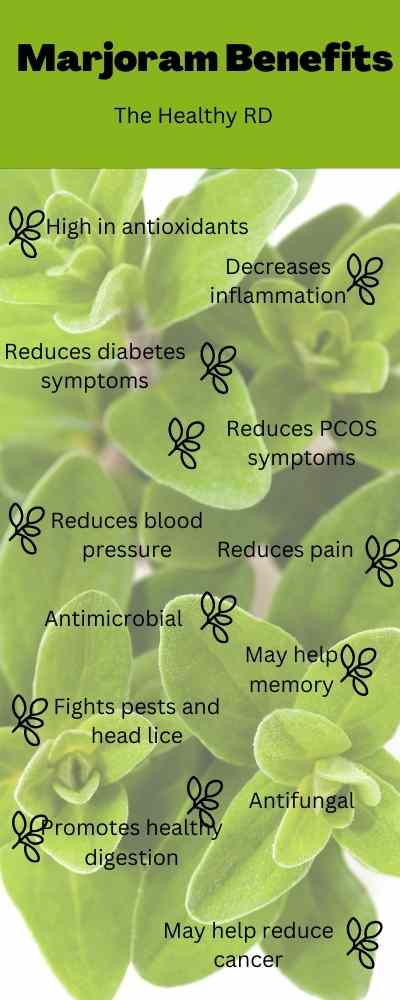
Digestive Health: Both civilizations highly valued a healthy digestive system. They observed marjoram’s ability to "warm the stomach," reduce bloating, and aid in the assimilation of nutrients. Modern science confirms that marjoram contains compounds like carvacrol and thymol, which stimulate digestive enzymes and bile flow, improving nutrient absorption. Its antispasmodic properties can ease indigestion and cramping, allowing the body to dedicate its energy to maintenance and repair rather than constant digestive distress – a significant contributor to long-term vitality.
Anti-inflammatory and Antioxidant Power: Chronic inflammation is a silent killer, implicated in numerous age-related diseases from heart disease to neurodegeneration. While the ancients didn’t have the term "inflammation," they recognized conditions characterized by heat, swelling, and pain. Marjoram was used to soothe such conditions. Today, we know marjoram is rich in antioxidants, particularly rosmarinic acid, and anti-inflammatory compounds like terpenoids and flavonoids. These compounds combat oxidative stress and reduce systemic inflammation, protecting cells and tissues from damage and slowing down the aging process at a cellular level.
Antimicrobial and Antiseptic Qualities: In a world without antibiotics, preventing infection was crucial for survival, let alone longevity. Marjoram’s use in food preservation, wound care, and respiratory ailments hints at its antimicrobial properties. Research now shows marjoram essential oil possesses potent antibacterial, antifungal, and antiviral activity, effective against a range of pathogens. This would have been invaluable for preventing infections that could quickly turn fatal in ancient times, thus indirectly promoting a longer life.
Stress Reduction and Sleep Promotion: The ancients understood the value of a calm mind and restful sleep. Marjoram’s calming aroma and its traditional use for nervous disorders point to its anxiolytic properties. Modern studies suggest that compounds like linalool and gamma-terpinene in marjoram essential oil can have a sedative effect, promoting relaxation and improving sleep quality. Chronic stress and poor sleep are well-documented accelerators of aging and disease. By offering a natural means to alleviate these, marjoram contributed significantly to a longevity-promoting lifestyle.
Respiratory Support: For respiratory complaints, marjoram was a common remedy. Its expectorant and antispasmodic qualities would have helped clear congestion and ease coughing. Inhaling its vapors, perhaps in a Roman bathhouse or through herbal steams, would have provided relief from colds, coughs, and other respiratory infections, which were far more dangerous in ancient times. Maintaining healthy lungs is fundamental to a long and active life.
The Holistic Tapestry of Ancient Longevity
It would be reductionist to claim that marjoram alone was the secret to ancient longevity. Rather, it was one vibrant thread in a rich tapestry of practices that collectively supported a long and healthy life.
The Greeks and Romans pursued longevity through:
- A Mediterranean Diet: Rich in whole grains, legumes, fruits, vegetables, olive oil, and lean proteins, often flavored with herbs like marjoram. This diet, lauded today for its health benefits, provided essential nutrients and protective compounds.
- Regular Physical Activity: From the structured exercises in Greek gymnasia and Roman baths to the daily toil of farming and craftsmanship, physical activity was integrated into daily life, maintaining strength, flexibility, and cardiovascular health.


Post Comment