A Whisper from the Earth: Marjoram’s Journey into the Heart of PCOS
The human body, a symphony of intricate systems, often finds its most delicate notes in the orchestration of hormones. When this delicate balance falters, as it often does in Polycystic Ovary Syndrome (PCOS), the harmony can descend into discord, manifesting in a cascade of challenging symptoms that touch every facet of a woman’s life. For far too long, the narrative around PCOS has been one of managing symptoms with pharmaceutical interventions, a necessary but often incomplete solution. Yet, nestled within the ancient wisdom of herbal medicine, a quiet contender has begun to emerge from the shadows of traditional use into the light of scientific scrutiny: marjoram.
This isn’t merely a tale of a plant and a condition; it’s a story of discovery, resilience, and the enduring quest for gentle yet profound healing. It’s the story of how a humble herb, once cherished for its culinary zest and calming aroma, is now being explored as a natural ally in restoring hormonal equilibrium, offering a glimmer of hope to the millions navigating the complexities of PCOS.
The Enigma of PCOS: A Symphony Out of Tune
Before we delve into marjoram’s potential, it’s crucial to understand the intricate landscape of PCOS itself. Far from being a single disease, PCOS is a complex, multi-faceted endocrine disorder affecting 1 in 10 women of reproductive age globally. Its name, derived from the characteristic (though not universal) presence of multiple small cysts on the ovaries, belies the systemic nature of the condition, which extends far beyond reproductive health.
At its core, PCOS is characterized by a trio of interconnected imbalances:
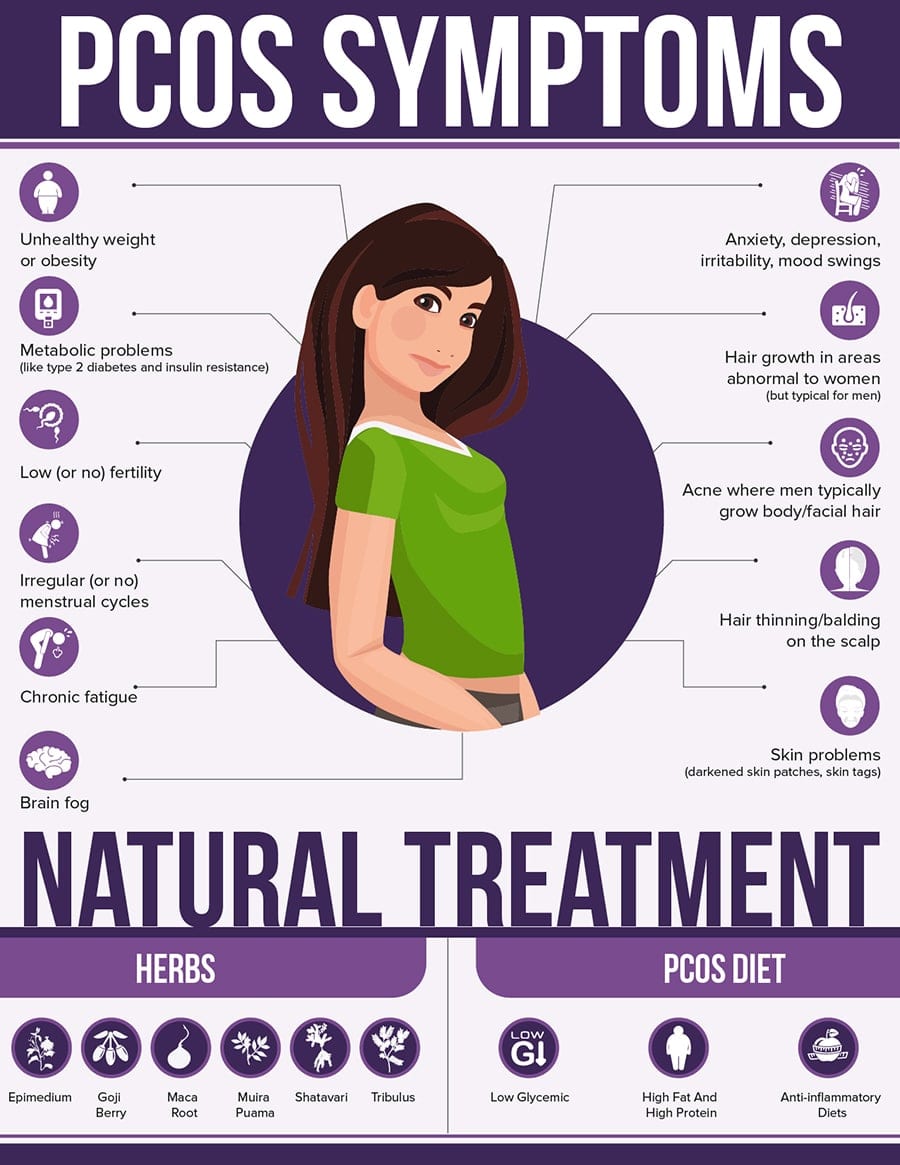
- Hyperandrogenism: Elevated levels of androgens (male hormones like testosterone) are a hallmark. This manifests as hirsutism (excess body hair), acne, and androgenic alopecia (hair loss).
- Ovulatory Dysfunction: Irregular or absent ovulation leads to unpredictable menstrual cycles, difficulty conceiving, and often, infertility.
- Polycystic Ovaries: While not strictly necessary for diagnosis, the presence of numerous small follicles (often mistaken for cysts) on the ovaries is common.
Beyond these diagnostic criteria, PCOS frequently presents with a host of metabolic and inflammatory challenges. Insulin resistance, where the body’s cells don’t respond effectively to insulin, is a pervasive issue, contributing to weight gain, difficulty losing weight, and an increased risk of type 2 diabetes. Chronic low-grade inflammation is also a common thread, further exacerbating insulin resistance and contributing to cardiovascular risk. The psychological burden, including anxiety, depression, and body image issues, often goes unacknowledged but is profoundly impactful.
Conventional management typically involves oral contraceptives to regulate cycles and reduce androgen symptoms, metformin to address insulin resistance, and anti-androgen medications. While effective for many, these approaches often come with side effects and don’t always address the root causes or the broader spectrum of symptoms, leaving many women searching for complementary strategies. This is where the story of marjoram begins to unfold.
Marjoram: From Ancient Lore to Modern Laboratory
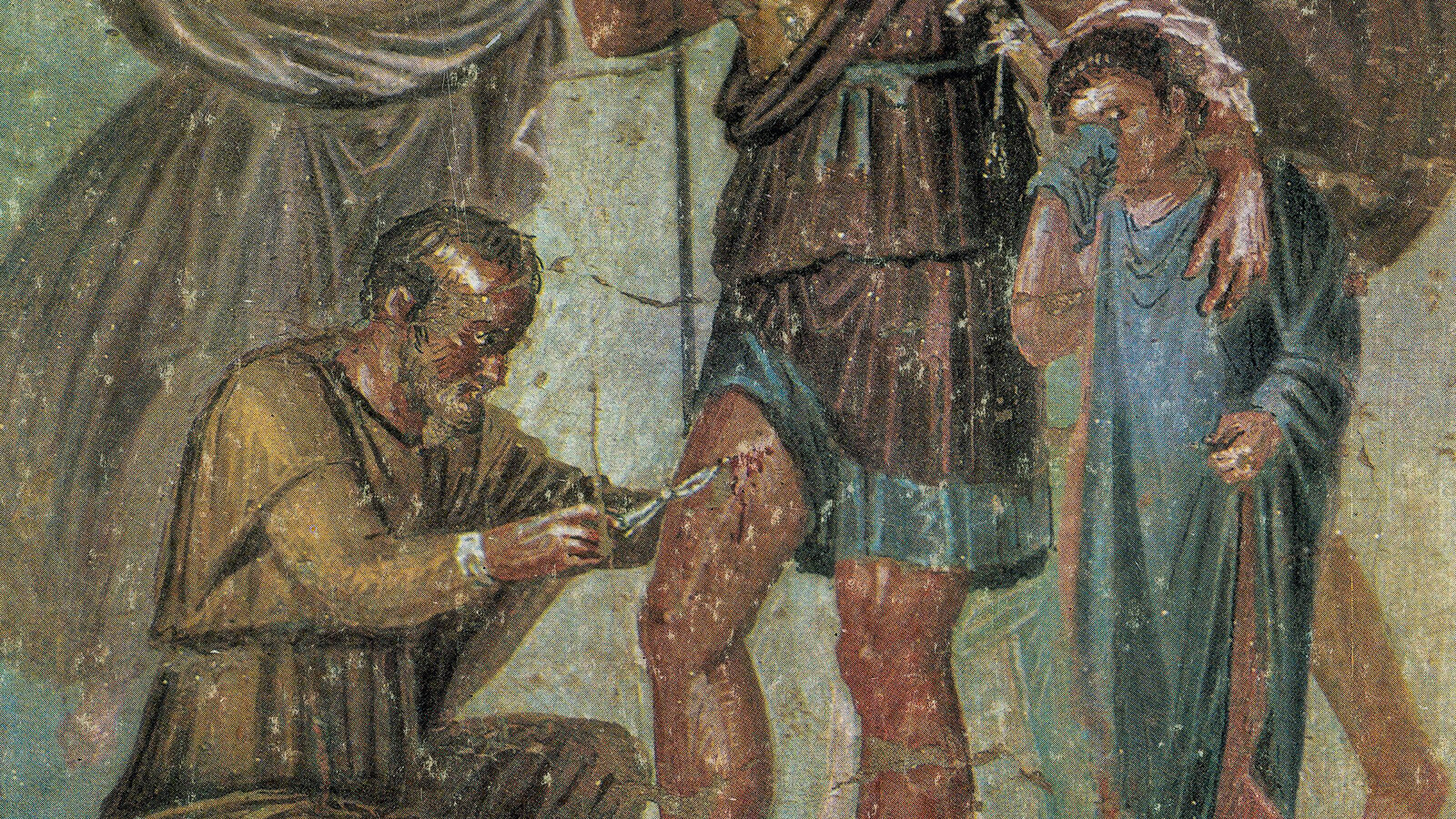
Origanum majorana, commonly known as marjoram, has a rich history woven into the fabric of ancient civilizations. Hailing from the Mediterranean region, this aromatic herb was not only a culinary delight but also a revered medicinal plant. The ancient Egyptians utilized it for its calming properties and as a preservative. The Greeks associated it with Aphrodite, the goddess of love, believing it could bring happiness and good fortune, and employed it for digestive ailments, headaches, and respiratory issues. Roman physicians prescribed it for nervous disorders and to induce menstruation. Across cultures, marjoram was seen as a herb that brought balance and solace.
Its scientific journey into the realm of hormonal health, particularly PCOS, is a much more recent chapter, ignited by a convergence of traditional wisdom and modern biochemical understanding. Scientists began to look at marjoram’s complex phytochemistry, a rich tapestry of compounds including:
- Terpenes: Such as sabinene, alpha-terpinene, gamma-terpinene, and terpinen-4-ol, which contribute to its characteristic aroma and therapeutic properties.
- Flavonoids: Like diosmetin, apigenin, and luteolin, powerful antioxidants and anti-inflammatory agents.
- Phenolic Acids: Including rosmarinic acid and caffeic acid, known for their antioxidant and anti-inflammatory effects.
- Volatile Oils: Carvacrol and thymol, contributing to its antimicrobial and therapeutic actions.
It is this intricate symphony of bioactive compounds that suggests marjoram’s potential to address the multifaceted nature of PCOS.
Unveiling Marjoram’s Mechanisms: A Multi-Target Approach
The true intrigue of marjoram lies in its potential to act on several key pathways implicated in PCOS, offering a holistic approach rather than targeting a single symptom.
1. The Anti-Androgenic Whisper: Reining in Excess Testosterone
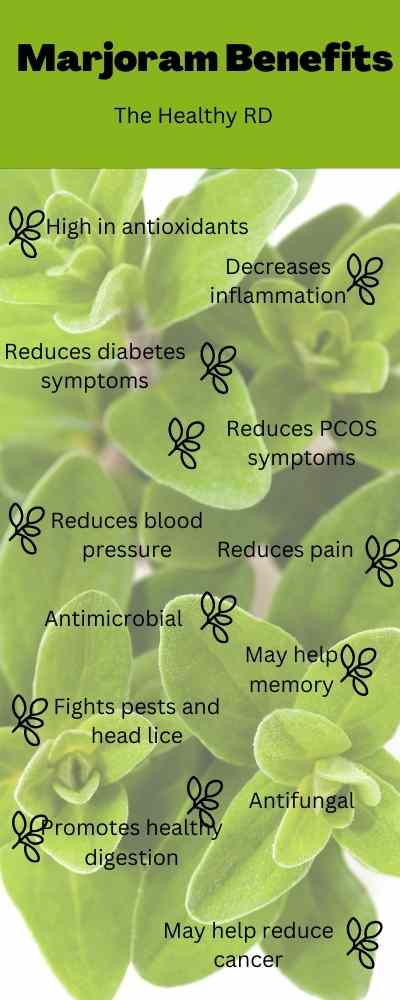
Perhaps the most compelling evidence for marjoram’s role in PCOS comes from its potential anti-androgenic effects. The elevated androgen levels that characterize PCOS can lead to distressing symptoms like hirsutism, acne, and hair loss. Research suggests that marjoram may help to modulate these hormones.
A pivotal study published in the Journal of Human Nutrition and Dietetics in 2015 investigated the effects of marjoram tea on the hormonal profile of women with PCOS. The results were remarkably encouraging: daily consumption of marjoram tea led to a significant decrease in dehydroepiandrosterone sulfate (DHEA-S), a precursor to testosterone, and also modulated serum testosterone levels. Furthermore, the study noted improvements in the luteinizing hormone (LH) to follicle-stimulating hormone (FSH) ratio, which is often elevated in PCOS and contributes to ovulatory dysfunction.
How might marjoram achieve this? While the exact mechanisms are still being fully elucidated, theories point to several possibilities:

Post Comment