The Unseen Alchemy: How Mineral Water Weaves a Tapestry of Gut Health
A Journey from Ancient Springs to Modern Science
For millennia, humanity has been drawn to water. Not just any water, but the life-giving liquid that emerges from the earth, imbued with the very essence of the strata it traverses. These natural springs, often shrouded in myth and revered as sacred sites, were more than sources of thirst-quenching refreshment; they were perceived as founts of healing, their waters believed to possess an almost magical ability to restore vitality and alleviate suffering. From the thermal baths of ancient Rome to the famed spas of European aristocracy, the curative powers of mineral-rich waters were an accepted truth, an intuitive understanding passed down through generations.
Yet, in our modern era, amidst the dazzling advancements of science and the relentless march of industrialization, we seem to have collectively, if unconsciously, demoted water. It has largely become a commodity, a utility, a simple vehicle for hydration. We filter it, distill it, purify it, stripping it of the very mineral complexities that once defined its therapeutic allure. We focus on its purity, often at the expense of its inherent richness. In this quest for "clean" water, have we inadvertently overlooked a profound natural elixir, one that speaks directly to the intricate ecosystem within us – our gut?
This article embarks on a journey to rediscover this ancient wisdom through the lens of contemporary science. It is a story not just of water, but of the unseen alchemy that transpires when nature’s own brew interacts with the sophisticated machinery of our digestive system. We will explore how mineral water, far from being a mere hydration agent, acts as a subtle yet powerful architect of gut health, supporting its structure, function, and the delicate microbial balance that dictates so much of our overall well-being. Our audience, discerning and knowledgeable, will appreciate the nuanced mechanisms, the interplay of ions, and the emerging understanding that elevates mineral water from a simple beverage to a vital component of a holistic health strategy.
The Foundation: Hydration, but with a Difference
Before we delve into the specific mineral components, it is essential to re-establish the fundamental role of water itself in gut health. The gastrointestinal tract is a water-intensive environment. From the saliva that initiates digestion to the stool that exits the body, water is an indispensable medium. It lubricates, dissolves, transports, and facilitates countless biochemical reactions.
- Lubrication and Motility: Water is crucial for maintaining the fluidity of the digestive contents, allowing food to move smoothly through the esophagus, stomach, and intestines. Without adequate hydration, the chyme becomes thick, leading to sluggish peristalsis – the wave-like muscular contractions that propel food along.
- Nutrient Absorption: Nutrients, once broken down, must be dissolved in water to be absorbed through the intestinal lining into the bloodstream. Dehydration impedes this crucial process, rendering even the most nutrient-dense foods less effective.
- Waste Elimination: Perhaps most visibly, water prevents constipation. It softens stool, adding bulk and making it easier to pass. A well-hydrated colon functions efficiently, preventing the accumulation of toxins and reducing the risk of conditions like diverticulitis.
- Mucus Production: The gut lining is protected by a vital layer of mucus, a hydrated gel that acts as a physical barrier against pathogens, toxins, and digestive enzymes. Adequate hydration is paramount for the continuous production and integrity of this protective shield.
However, "just water" – particularly highly filtered or distilled water – while hydrating, often lacks the dynamic ionic charge and mineral composition that natural mineral water possesses. It’s akin to providing the basic framework of a house without the intricate electrical wiring, plumbing, and aesthetic finishes that make it truly functional and vibrant. Mineral water brings these crucial "finishes" to the gut’s architecture.
The Mineral Symphony: Unpacking the Ingredients of Gut Resilience
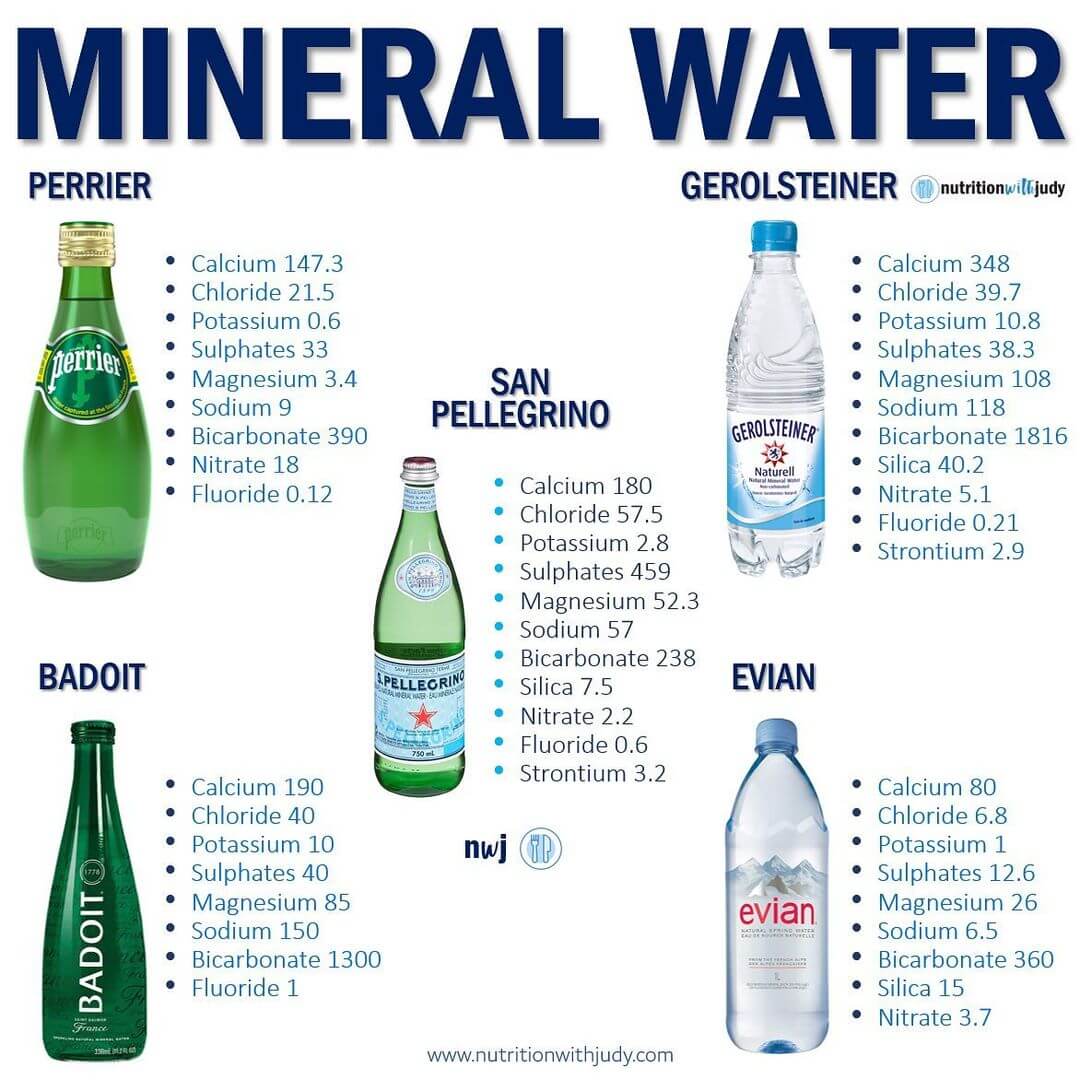
The true distinction of mineral water lies in its unique geological journey. As rainwater percolates through layers of rock, soil, and sediment, it dissolves various minerals, absorbing their ionic forms and retaining a distinct "signature" reflecting its source. This signature, expressed as Total Dissolved Solids (TDS), is not just a number; it’s a testament to a complex interplay of elements, each playing a specific role in the orchestra of gut health. Let’s explore some of the principal players:
1. Magnesium: The Relaxant, Regulator, and Rhythm-Keeper
Often hailed as the "master mineral," magnesium’s role in the gut is multifaceted and profound.
- Motility and Peristalsis: Magnesium is a natural muscle relaxant. It influences the smooth muscles of the intestinal wall, helping to regulate peristalsis. For those prone to constipation, magnesium-rich mineral waters can act as a gentle osmotic laxative, drawing water into the colon, softening stool, and promoting healthy bowel movements without the harshness of synthetic laxatives. It helps restore the natural rhythm of the gut.
- Enzyme Cofactor: Hundreds of enzymatic reactions in the body require magnesium, many of which are crucial for digestion and nutrient assimilation. It aids in the breakdown of carbohydrates, proteins, and fats, ensuring that the gut can efficiently extract nutrients from food.
- Nervous System Modulation: The gut-brain axis is heavily influenced by the nervous system. Magnesium contributes to the healthy function of nerves, potentially mitigating the impact of stress on gut motility and permeability. A calm nervous system often translates to a calm gut.
2. Calcium: Beyond Bones, Architect of Cellular Communication
While primarily associated with bone health, calcium plays subtle yet significant roles within the gut.
- Cell Signaling and Tight Junctions: Calcium is a critical signaling molecule for various cellular processes. In the gut, it contributes to the integrity of the epithelial barrier, particularly the "tight junctions" that regulate permeability. These junctions act as gatekeepers, ensuring only properly digested nutrients pass into the bloodstream while keeping pathogens and toxins out. Adequate calcium supports the robust architecture of this barrier, guarding against "leaky gut."
- Digestive Enzyme Activation: Some digestive enzymes, like pancreatic lipase, require calcium for optimal activity, aiding in fat digestion.
- pH Regulation: Calcium, often present as calcium bicarbonate, can contribute to the buffering capacity of mineral water, influencing the pH environment within the digestive tract.




Post Comment