Alkalizing or Acidic? Debunking the Myths of Lime Water and pH Balance
The morning sun, still tentative in its ascent, cast long shadows across the kitchen as Maria meticulously stirred a cloudy concoction in a glass. This wasn’t her usual citrus-infused water or herbal tea; this was lime water, a solution she had started consuming religiously, convinced it held the key to her elusive "pH balance." She had read countless articles, seen testimonials, and absorbed the pervasive narrative that modern diets were rendering her body dangerously acidic, a state that purportedly invited disease, fatigue, and general malaise. Lime water, she was told, was her simple, natural antidote – a potent alkalizer that would reset her internal chemistry, detoxify her system, and unlock vibrant health.
Maria’s story is not unique. It is a narrative echoed in countless online forums, wellness blogs, and health food stores: the compelling tale of an acid-ravaged body rescued by alkaline elixirs. The concept of "pH balance" has permeated the wellness landscape, promising a straightforward path to health by simply altering the acidity or alkalinity of our internal environment. Among the myriad of purported alkalizing agents, lime water – a simple solution of calcium hydroxide – has emerged as a surprisingly popular player, its historical uses for construction and food processing largely overshadowed by its newfound, albeit scientifically dubious, health claims.
This article aims to unravel the intricate story of pH in the human body, to demystify the allure of the alkaline diet, and to rigorously examine the claims surrounding lime water. For a knowledgeable audience, we will journey beyond the simplistic pronouncements of wellness gurus and delve into the sophisticated physiological mechanisms that govern our internal environment, ultimately debunking the pervasive myths and illuminating the true path to health.
The Allure of pH Balance: A Historical Narrative and Its Modern Reincarnation
The idea that the body’s internal chemistry can be tipped out of balance by diet, leading to illness, is not entirely new. Concepts resembling the acid-alkaline theory can be traced back to early 20th-century alternative health movements. However, it gained significant traction in recent decades, propelled by a combination of charismatic proponents, simplified scientific explanations, and a public hungry for easy health solutions in an increasingly complex world.
At its core, the acid-alkaline diet proposes a binary view of food: some foods are "acid-forming" (like meat, dairy, grains, processed foods), and others are "alkaline-forming" (primarily fruits and vegetables). The theory posits that consuming too many acid-forming foods creates an "acidic" internal environment, leading to chronic low-grade metabolic acidosis. This supposedly weakens the immune system, leaches minerals from bones, fosters inflammation, and creates a fertile ground for diseases ranging from arthritis to cancer. The solution, therefore, is to consume a predominantly alkaline diet, neutralizing this acidity and restoring the body to its optimal, slightly alkaline state.
This narrative is compelling because it offers a sense of control. If diet is the cause, then diet is also the cure. It aligns with a desire for natural remedies and often demonizes processed foods, which resonates with broader health trends. Yet, the story, while appealing, vastly oversimplifies and fundamentally misunderstands the sophisticated biological machinery that governs human physiology.
Understanding pH: The Body’s Symphony of Systems
To truly debunk the myths, we must first understand pH itself and how it operates within the human body.
What is pH? The Basics
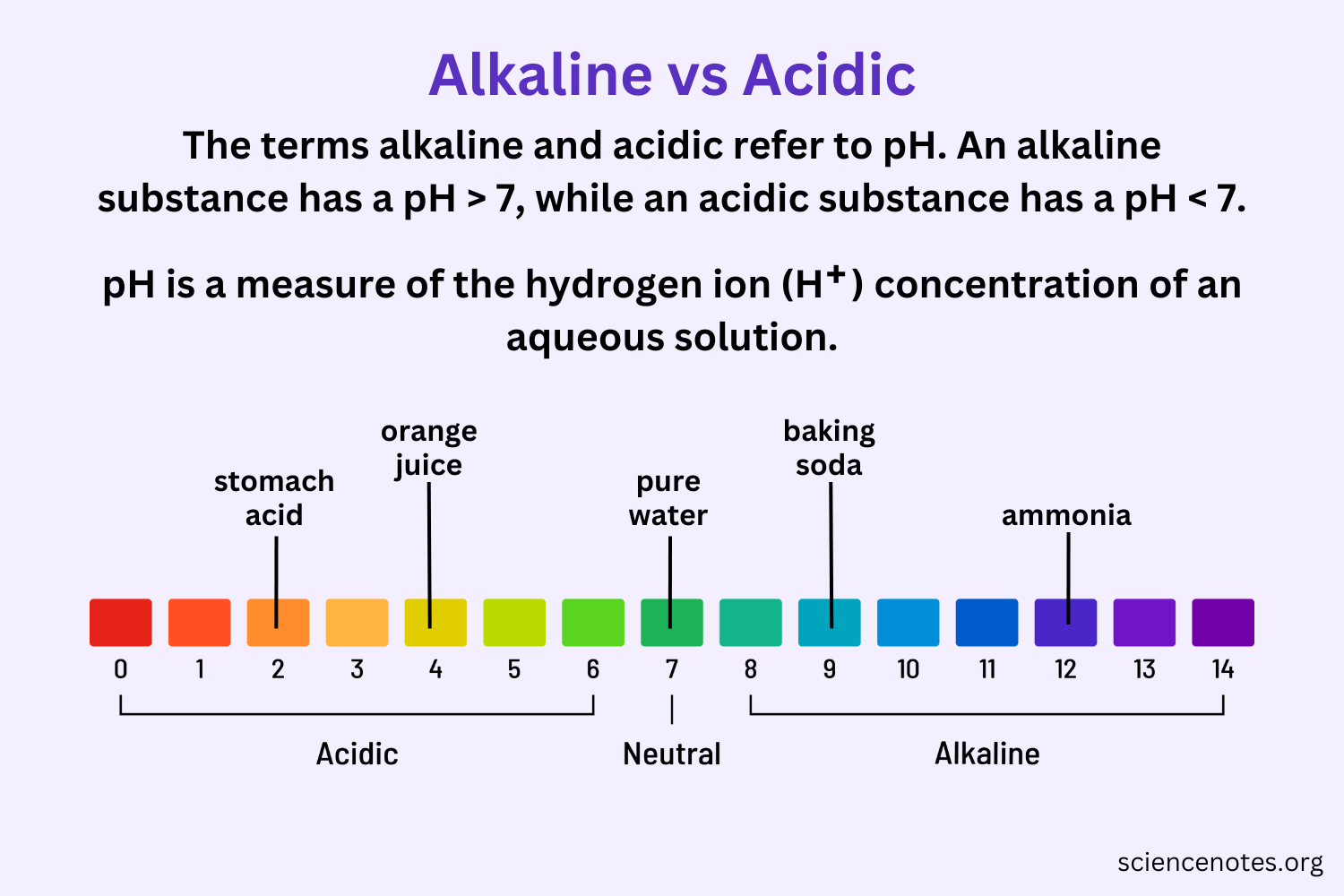
pH stands for "potential of hydrogen" and is a measure of the hydrogen ion (H+) concentration in a solution. The pH scale ranges from 0 to 14:
- 0-6.9: Acidic (higher H+ concentration)
- 7.0: Neutral
- 7.1-14: Alkaline or Basic (lower H+ concentration)
It’s crucial to remember that the pH scale is logarithmic. This means that a change of one pH unit represents a tenfold change in acidity or alkalinity. For example, a solution with a pH of 6 is ten times more acidic than a solution with a pH of 7, and a solution with a pH of 5 is 100 times more acidic than a solution with a pH of 7. This logarithmic nature highlights the significant impact even small changes in pH can have.
pH in the Body: A Symphony of Diverse Environments
The first major misconception to address is the idea of a single "body pH." The human body is a complex system of diverse environments, each with its own specific and tightly regulated pH range, optimized for the functions performed there.
- Stomach: Extremely acidic (pH 1.5-3.5) due to hydrochloric acid, essential for protein digestion and killing pathogens.
- Skin: Slightly acidic (pH 4.5-5.5), forming an "acid mantle" that protects against bacteria and fungi.
- Urine: Highly variable (pH 4.5-8.0), reflecting the kidneys’ role in excreting metabolic wastes and regulating blood pH.
- Saliva: Slightly acidic to neutral (pH 6.2-7.6), important for initial digestion and oral health.
- Vagina: Acidic (pH 3.8-4.5) to protect against infections.
Blood pH: The Sacred Range
Of all these diverse pH environments, the most critically regulated is blood pH. The pH of arterial blood in a healthy human must be maintained within an incredibly narrow range of 7.35 to 7.45. This slightly alkaline range is paramount for life. Deviations outside this narrow window, even by a few tenths of a pH unit, can have catastrophic consequences, leading to impaired enzyme function, protein denaturation, and disruption of cellular processes, ultimately resulting in organ failure and death.
How the Body Maintains Blood pH: A Masterclass in Homeostasis



Post Comment