The Ultimate Superfood: Is Guava the Healthiest Fruit You’re Not Eating?
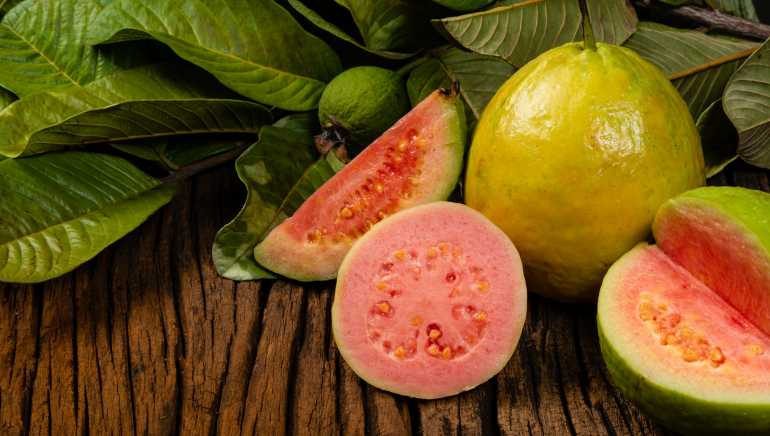
In the ever-evolving quest for optimal health and vitality, the term "superfood" has become a beacon, guiding us towards ingredients promising a panacea of benefits. We’ve been told to embrace the vibrant acai berry, the nutrient-dense kale, the antioxidant-rich blueberries, and the omega-packed chia seeds. These nutritional titans have rightfully earned their place in our health lexicon. Yet, amidst this well-celebrated pantheon, a humble, often overlooked fruit from the tropics quietly holds a nutritional profile so profoundly impressive that it begs a critical question: Could guava be the healthiest fruit you’re currently missing out on?
Imagine a fruit that defies expectations, a succulent orb cradling more Vitamin C than an orange, more potassium than a banana, and a staggering array of antioxidants that rival the most lauded superfoods. This is the story of Psidium guajava, more commonly known as guava – a fruit whose unassuming exterior belies an inner world of unparalleled health-giving power. It’s a narrative of ancient wisdom meeting modern science, a journey from lush, tropical origins to the potential for global health transformation. This isn’t just about adding another fruit to your diet; it’s about uncovering a hidden gem, understanding its profound impact, and perhaps, rewriting your personal definition of what a superfood truly is. Prepare to embark on an exploration that may just change the way you view your fruit bowl forever.
A Humble Origin Story: From Ancient Tropics to Global Recognition
To truly appreciate guava, one must first understand its roots, a story woven into the fabric of human migration and botanical exploration. Psidium guajava belongs to the Myrtaceae family, a lineage shared with eucalyptus and cloves, hinting at its robust, aromatic nature. Its native lands are believed to be the sun-drenched regions spanning from Mexico through Central America and into northern South America. For millennia, indigenous cultures in these regions recognized guava not merely as a food source, but as a vital component of their traditional medicine and diet. Its leaves were brewed for their medicinal properties, and its fruit was savored for its unique flavor and energizing qualities.
The journey of guava beyond its native soil began with the age of exploration. Spanish and Portuguese conquistadors, venturing into the New World, were captivated by its refreshing taste and impressive resilience. They were the unwitting botanists who, along with enslaved peoples, carried guava seeds and saplings across vast oceans, introducing it to new continents. From the shores of Africa to the bustling markets of Asia, guava found fertile ground and welcoming climates. It quickly assimilated into local cuisines and traditional healing practices, particularly in India, China, Thailand, and various Southeast Asian nations, where it has flourished and become an integral part of daily life.
Today, countries like India, China, and Indonesia lead the world in guava production, a testament to its successful global diaspora. Yet, despite its widespread cultivation and immense popularity in these regions, guava remains a relative enigma in many Western diets, often relegated to specialty stores or exotic fruit sections. This disparity in recognition forms the core of our inquiry: how could a fruit with such a rich history and formidable nutritional profile remain an unsung hero in the global health narrative? The answer lies in delving deeper into its composition, unraveling the intricate symphony of nutrients that makes guava a true marvel of nature.
The Nutritional Powerhouse: Deconstructing Guava’s Core
The secret to guava’s extraordinary health benefits lies in its remarkable nutritional density. It’s not just a single superstar nutrient; it’s an entire orchestra of vitamins, minerals, fiber, and potent phytochemicals working in concert, creating a synergistic effect far greater than the sum of its parts. For the knowledgeable consumer, understanding these individual components is key to appreciating the fruit’s holistic power.
Let’s begin with the most celebrated nutrient in guava: Vitamin C. While oranges are often lauded as the king of Vitamin C, guava quietly, yet confidently, wears the crown. A single medium-sized guava can provide well over 200% of the recommended daily intake of Vitamin C, often four to five times the amount found in an equivalent serving of an orange. This isn’t just a minor numerical difference; it translates to profound physiological impacts. Vitamin C, or ascorbic acid, is a powerful water-soluble antioxidant, crucial for bolstering the immune system, protecting cells from oxidative stress caused by free radicals, and synthesizing collagen – the primary structural protein in our skin, bones, and connective tissues. Its role in wound healing and iron absorption further cements its indispensable status.
Next, we turn our attention to Dietary Fiber, a component often overlooked but fundamental to overall health. Guava is an exceptional source of both soluble and insoluble fiber. A single guava can deliver roughly 12% of your daily fiber needs. Insoluble fiber acts like a broom, sweeping through the digestive tract, adding bulk to stool, and preventing constipation. Soluble fiber, on the other hand, forms a gel-like substance in the gut, which can slow down digestion, contribute to feelings of satiety, and play a crucial role in regulating blood sugar levels by delaying glucose absorption. Furthermore, soluble fiber acts as a prebiotic, feeding beneficial gut bacteria, thereby fostering a healthy microbiome – the cornerstone of immune function and overall well-being.
Guava also emerges as a significant source of Potassium, an essential electrolyte vital for maintaining fluid balance, nerve signaling, and muscle contractions. Crucially, potassium works in opposition to sodium, helping to relax blood vessel walls and thereby contributing significantly to blood pressure regulation and overall cardiovascular health. The potassium content in guava often surpasses that of a banana, a fruit typically celebrated for this very mineral.
But perhaps the most captivating aspect of guava’s nutritional profile is its astonishing Antioxidant Arsenal. Beyond Vitamin C, guava is brimming with a diverse array of phytochemicals, each contributing to its potent free-radical scavenging capabilities:
- Lycopene: This vibrant carotenoid, responsible for the pink and red hues in certain guava varieties, is a powerful antioxidant famously associated with tomatoes. However, pink guava can contain even higher concentrations of lycopene than many tomatoes. Lycopene has been extensively studied for its potential role in prostate cancer prevention, cardiovascular health, and protection against UV-induced skin damage. Its ability to quench singlet oxygen, a particularly damaging free radical, is unparalleled.
- Quercetin: A flavonoid found in many fruits and vegetables, quercetin is a potent antioxidant with significant anti-inflammatory and antihistamine properties. It has been linked to improved heart health, reduced allergic reactions, and potential anti-cancer effects.
- Catechin and Epicatechin: These are powerful polyphenols, also found in green tea, known for their strong antioxidant and anti-inflammatory actions. They contribute to cardiovascular health and may have neuroprotective properties.
- Gallic Acid: A phenolic acid with potent antioxidant and anti-inflammatory effects, gallic acid has been investigated for its antimicrobial and anti-cancer properties.
- Beta-carotene: Another vital carotenoid, beta-carotene is a precursor to Vitamin A, essential for vision, immune function, and skin health. It also acts as an antioxidant in its own right.
Beyond these heavy hitters, guava provides a spectrum of other essential minerals, including Magnesium (crucial for muscle and nerve function, blood sugar control, and blood pressure regulation), Copper (vital for iron metabolism, energy production, and nerve function), and Manganese (an antioxidant co-factor involved in bone formation and metabolism). It also contributes a respectable amount of B Vitamins, particularly Folate (B9), important for cell division and DNA synthesis; Niacin (B3), involved in energy metabolism; and Pyridoxine (B6), essential for brain development and function, and the metabolism of proteins and carbohydrates.
All of this nutritional richness comes with a remarkably low caloric footprint and virtually no fat, making guava an incredibly nutrient-dense food choice. It’s a complete package, a miniature biological pharmacy packed into a delightful, tropical fruit. Understanding this intricate composition lays the groundwork for appreciating the profound and multifaceted health benefits that guava offers.
Beyond the Basics: Guava’s Multifaceted Health Benefits
The intricate dance of nutrients within guava translates into a cascade of health benefits that touch nearly every system in the human body. This is where guava truly shines, moving beyond mere nutritional content to deliver tangible, life-enhancing effects.
1. Immune System Fortification: Your Body’s Shield
The staggering Vitamin C content is perhaps guava’s most direct contribution to a robust immune system. Vitamin C stimulates the production of white blood cells, which are the body’s primary defense against pathogens. It also enhances the function of these cells, making them more effective at identifying and destroying invaders. Coupled with its broad spectrum of antioxidants, guava helps to reduce oxidative stress, which can weaken the immune response, effectively acting as a powerful shield against common infections and illnesses. Regular consumption can mean fewer colds, shorter recovery times, and a generally more resilient defense system.
2. Digestive Health Marvel: A Harmonious Gut
Guava’s fiber content is a boon for digestive health, but its benefits extend beyond simple regularity. The combination of soluble and insoluble fiber works synergistically: insoluble fiber adds bulk, facilitating smooth bowel movements and preventing constipation, while soluble fiber acts as a prebiotic, nourishing beneficial gut bacteria. This balanced approach ensures a healthy gut microbiome, which is increasingly recognized as central to overall health, influencing everything from mood to immunity.
Perhaps more remarkably, guava also exhibits properties that can alleviate diarrhea. This seemingly paradoxical benefit is attributed to the presence of astringent compounds and antimicrobial agents found in both the fruit and, even more potently, in the leaves. These compounds can help to bind loose stools, reduce inflammation in the gut, and combat pathogenic bacteria and viruses that often cause gastrointestinal upset. Therefore, whether you’re struggling with constipation or diarrhea, guava offers a natural, balancing solution for digestive harmony.
3. Heart Health Guardian: A Pumping Legacy


Post Comment