Beyond the Fruit: Why Guava Leaves Are the Secret to Better Health
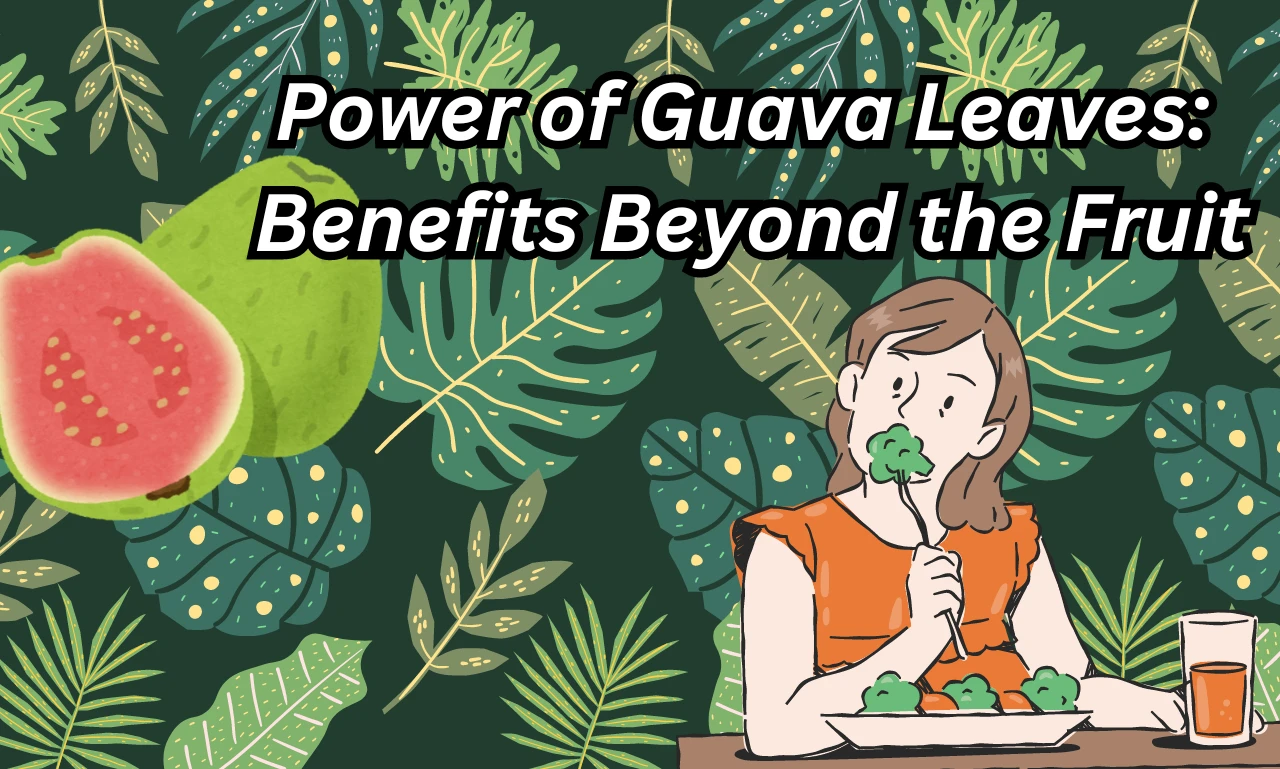
The guava fruit, with its vibrant flesh and unique fragrance, has long been celebrated across tropical and subtropical regions for its delightful taste and nutritional bounty. From succulent jams to refreshing juices, the fruit itself is a powerhouse of Vitamin C, fiber, and antioxidants, earning its rightful place in healthy diets worldwide. Yet, in our eager pursuit of the fruit’s sweet rewards, we have, for centuries, overlooked a far more potent secret nestled in the very plant that bears it: the humble guava leaf.
This is a story not just of a plant, but of a quiet revolution brewing in the world of natural medicine. It’s the story of ancient wisdom, once dismissed as folklore, now being meticulously validated by cutting-edge science. It’s the journey of a leaf, plucked from a common tree, that holds within its delicate veins a symphony of compounds capable of orchestrating profound improvements in human health. This article delves deep into this untold narrative, uncovering why guava leaves are emerging as a secret weapon in our quest for better health, a secret waiting to be fully embraced by a knowledgeable audience eager to understand the intricate dance between nature and well-being.
A Whisper from the Ancients: Tracing the Guava Leaf’s Ancestry
To truly appreciate the guava leaf, we must first travel back in time, to the sun-drenched landscapes of Central America, its cradle of origin. Here, for thousands of years, indigenous communities like the Aztecs and Mayans didn’t just savor the fruit; they revered the entire Psidium guajava tree as a medicinal marvel. Their knowledge, passed down through generations, wasn’t documented in scientific journals but etched into the very fabric of their daily lives, their healing rituals, and their communal wisdom.
Imagine a village elder, their face etched with the wisdom of years, preparing a steaming infusion for a child suffering from a relentless stomach ailment. They wouldn’t reach for a pharmaceutical bottle; instead, they would carefully select a handful of fresh guava leaves, crush them gently, and steep them in hot water. This wasn’t a random act; it was a practice rooted in centuries of empirical observation, a profound understanding that certain plants held specific healing properties. The astringent quality of the leaf, its ability to quell digestive upset, was known long before microscopes revealed its antimicrobial tannins.
As the guava tree journeyed across continents, carried by Spanish and Portuguese explorers, its medicinal legacy traveled with it. It found new homes in Asia, Africa, and the Caribbean, where it seamlessly integrated into diverse traditional medicine systems. In Ayurveda, the ancient Indian system of medicine, guava leaves were employed for their cooling properties, their ability to staunch bleeding, and their effectiveness against various infections. In Traditional Chinese Medicine, they were used to regulate digestion, purify the blood, and even soothe skin conditions. From Brazil, where it was known as ‘goiaba’, to the Philippines, where ‘bayabas’ leaves were chewed for toothaches, the story was consistent: the guava leaf was a versatile and potent healer, a testament to nature’s profound pharmacy.
This rich tapestry of historical use isn’t merely anecdotal; it’s the bedrock upon which modern scientific inquiry is built. It begs the question: how could so many disparate cultures, across different eras and geographies, independently arrive at similar conclusions about the leaf’s efficacy? The answer, as we shall see, lies in the remarkable chemical symphony contained within each unassuming leaf.
The Scientific Unveiling: The Chemical Symphony Within
The transition from traditional folklore to evidence-based medicine required peering beyond the visible, delving into the microscopic world of phytochemistry. Modern science, equipped with sophisticated analytical tools, has begun to systematically dismantle the guava leaf, identifying and characterizing the myriad bioactive compounds that underpin its acclaimed health benefits. What researchers have discovered is not a single "magic bullet" but a complex, synergistic blend of phytochemicals working in concert – a true chemical symphony.
At the heart of the guava leaf’s potency are its flavonoids and polyphenols. These are powerful antioxidants, molecules that tirelessly scavenge free radicals – unstable atoms that can damage cells, contribute to aging, and ignite chronic diseases like cancer and heart disease. Among the most prominent flavonoids are quercetin, rutin, and kaempferol, each boasting impressive anti-inflammatory and antioxidant capabilities. Quercetin, for instance, is a well-studied compound known for its ability to modulate immune responses and reduce allergic reactions.
Then there are the tannins, compounds responsible for the leaf’s characteristic astringency. While often associated with the bitterness in tea, tannins play a crucial role in the guava leaf’s medicinal profile. They exhibit potent antimicrobial properties, helping to combat pathogenic bacteria and fungi. Their astringent nature also contributes to their anti-diarrheal effects by tightening the intestinal lining and reducing fluid secretion.
The leaf also contains a significant array of other beneficial compounds:
- Carotenoids: Though less abundant than in the fruit, these precursors to Vitamin A contribute to antioxidant defense and vision health.
- Essential Oils: Volatile compounds that contribute to the leaf’s distinct aroma and possess antimicrobial and anti-inflammatory properties.
- Vitamins and Minerals: While not as concentrated as in the fruit, guava leaves still offer modest amounts of Vitamin C, B-complex vitamins, potassium, and magnesium, further enhancing their nutritional value.
What truly elevates the guava leaf from a simple plant to a medicinal marvel is this intricate interplay. It’s not just the presence of quercetin, but quercetin working alongside gallic acid, catechin, and the array of tannins, each augmenting the other’s effects. This concept of synergy is fundamental to understanding herbal medicine, explaining why whole plant extracts often outperform isolated compounds. The leaf, in essence, is a perfectly formulated natural medicine, refined by eons of evolution, now being decoded by human ingenuity.
Specific Health Benefits: The Healing Chapters Unfold
With this understanding of its chemical arsenal, we can now delve into the specific health benefits that have catapulted guava leaves into the spotlight, transforming them from an overlooked botanical into a celebrated natural remedy.
A. Digestive Health: A Calming Balm for the Gut
For centuries, guava leaves have been the go-to remedy for digestive ailments across cultures. Modern science now provides compelling explanations for this traditional wisdom, particularly concerning their potent anti-diarrheal properties.
Diarrhea, often caused by bacterial infections, can be debilitating. Guava leaf extracts have been shown to effectively inhibit the growth of several common diarrhea-causing bacteria, including Staphylococcus aureus and Escherichia coli. This antimicrobial action is largely attributed to the tannins and flavonoids present in the leaves, which disrupt bacterial cell walls and metabolic processes. Furthermore, the tannins exert an astringent effect on the intestinal lining, reducing fluid secretion and tightening the mucosal barrier, thereby decreasing stool frequency and consistency.
Beyond diarrhea, guava leaves offer relief for general stomach aches and discomfort. Their anti-inflammatory and antispasmodic effects can soothe irritated gut tissues and relax intestinal muscles, alleviating cramps. Studies have also indicated a potential role in protecting against gastric ulcers. The antioxidants in guava leaves help to reduce oxidative stress in the stomach lining, while certain compounds may help to regulate acid secretion, creating a more protective environment.
Consider Maria, a young woman who frequently struggled with irritable bowel syndrome (IBS), her days often interrupted by sudden bouts of discomfort and urgency. Traditional medications offered some relief, but often came with side effects. On the advice of an elder family member, she began incorporating guava leaf tea into her routine. Slowly, she noticed a calming effect on her gut. The frequency of her flare-ups decreased, and when they did occur, the symptoms were milder. For Maria, the guava leaf tea became a gentle, natural ally in managing a chronic and often frustrating condition, a testament to its profound impact on digestive well-being.
B. Blood Sugar Management: A Sweet Solution for Diabetes
Perhaps one of the most compelling areas of research into guava leaves is their profound impact on blood sugar regulation, making them a promising natural adjunct for individuals managing diabetes or pre-diabetes.
The primary mechanism lies in their ability to inhibit the alpha-glucosidase enzyme. This enzyme is responsible for breaking down complex carbohydrates into glucose in the digestive tract. By inhibiting its action, guava leaves effectively slow down the absorption of glucose into the bloodstream after meals, thereby reducing post-meal blood sugar spikes. This effect is similar to how some pharmaceutical diabetes medications work, but without the associated side effects.
Furthermore, studies suggest that guava leaves can improve insulin sensitivity, meaning the body’s cells become more responsive to insulin, the hormone responsible for transporting glucose from the blood into cells for energy. This is crucial for both Type 1 and Type 2 diabetes management. The anti-inflammatory and antioxidant properties of the leaves also play a vital role in protecting pancreatic beta cells (which produce insulin) from damage and reducing the systemic inflammation often associated with diabetes complications.


Post Comment