The Elixir from the Tropics: Unveiling the Science-Backed Healing Properties of Coconut Water
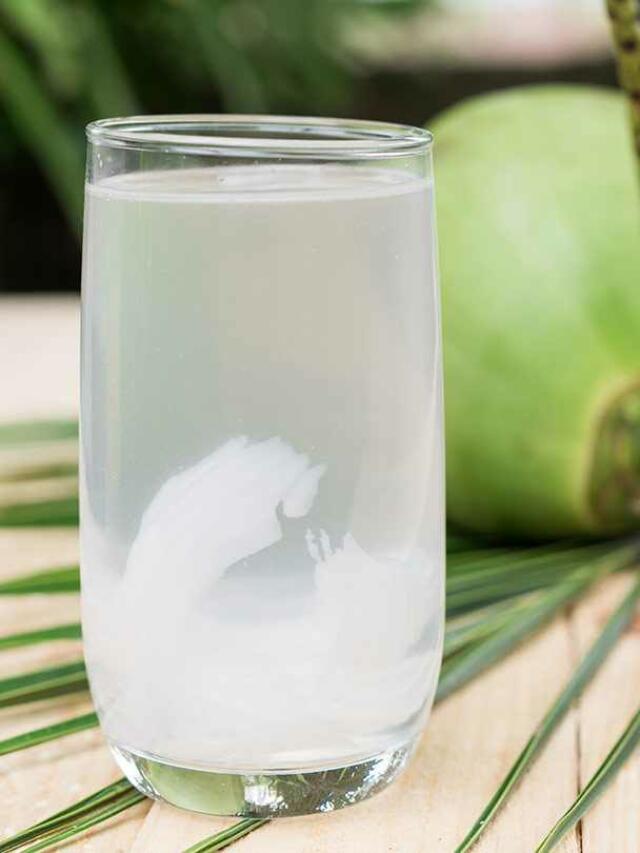
Imagine an ancient island, kissed by the sun and caressed by ocean breezes, where towering palms sway rhythmically, their fronds a verdant canopy against a cerulean sky. Beneath this canopy, nestled within the fibrous husks of the coconut, lies a clear, pristine liquid – a gift from nature that has sustained generations and whispered tales of healing for millennia. This is the humble coconut water, a beverage often celebrated for its refreshing taste, yet whose true depth of therapeutic potential is only now being fully elucidated by the rigorous lens of modern science.
From the sun-drenched shores of the Pacific to the bustling markets of Southeast Asia, the coconut palm, Cocos nucifera, has been revered as the "tree of life." Its water, specifically harvested from young, green coconuts, is not merely a thirst quencher; it is a complex biological solution, a nutritional symphony orchestrating a myriad of health benefits. For centuries, traditional medicine systems, from Ayurvedic practices in India to folk remedies in the Philippines, have harnessed its power to treat a spectrum of ailments, from dehydration to digestive woes. What was once anecdotal wisdom, passed down through generations, is now being systematically validated, molecule by molecule, by scientific inquiry. For the discerning mind, eager to understand the ‘why’ behind the ‘what,’ the journey into coconut water’s healing properties is a fascinating exploration of biochemistry, physiology, and the profound wisdom embedded in nature.
A Sip Through Time: The Ancestral Wisdom and Its Enduring Legacy
The story of coconut water’s healing prowess begins not in a laboratory, but in the annals of human history. For countless indigenous cultures, the coconut was more than a food source; it was a cornerstone of survival and well-being. Ancient Sanskrit texts, for instance, refer to the coconut palm as "Kalpa Vriksha," meaning "the tree that provides all that is necessary for living." In Ayurvedic medicine, coconut water has been traditionally employed to cool the body, aid digestion, purify the blood, and serve as a natural diuretic. Its light, easily digestible nature made it a go-to remedy for fever, dysentery, and other conditions that led to dehydration.
Across the Pacific, island communities recognized its unique rehydration capabilities long before the advent of intravenous fluids. During World War II, in desperate times and remote locations, coconut water was famously and heroically administered intravenously to wounded soldiers when sterile saline solutions were unavailable. While this practice is certainly not recommended today due to the risks of infection and electrolyte imbalances, it stands as a stark testament to its isotonic properties and its uncanny resemblance to human blood plasma in terms of electrolyte composition. This historical context, while perhaps romanticized, underscores a profound, intuitive understanding that nature held solutions to fundamental human needs, solutions that modern science is now meticulously unpacking.
The Nutritional Symphony: Deconstructing Coconut Water’s Composition
To truly appreciate the science behind coconut water’s healing properties, one must first delve into its intricate composition. It is not just water; it is a bio-active matrix of essential electrolytes, vitamins, minerals, amino acids, enzymes, and even plant hormones, all working in concert. This complex profile sets it apart from plain water and many commercial beverages.
1. The Electrolyte Powerhouse: This is perhaps coconut water’s most celebrated attribute. It is a natural isotonic beverage, meaning its concentration of dissolved particles is similar to that of human blood.
- Potassium: The dominant electrolyte, present in significantly higher concentrations than in most sports drinks or even bananas. Potassium is critical for maintaining fluid balance, nerve signal transmission, muscle contractions (including the heart muscle), and blood pressure regulation.
- Sodium: While present in lower amounts than potassium, it’s crucial for nerve and muscle function, and maintaining proper fluid balance.
- Magnesium: Involved in over 300 enzymatic reactions, crucial for muscle and nerve function, blood glucose control, and blood pressure regulation.
- Calcium: Essential for bone health, muscle function, and nerve transmission.
- Phosphorus: Vital for bone and tooth formation, energy metabolism, and cell signaling.
The precise balance of these electrolytes makes coconut water exceptionally effective for rapid rehydration and replenishment, especially after physical exertion or fluid loss due to illness.
2. Vitamins for Vitality: While not a powerhouse of all vitamins, coconut water contains a respectable array of B-complex vitamins and Vitamin C.
- B-complex Vitamins: Riboflavin (B2), Niacin (B3), Thiamine (B1), Pyridoxine (B6), and Folate (B9) play crucial roles in energy metabolism, nerve function, and red blood cell formation.
- Vitamin C (Ascorbic Acid): A potent antioxidant, essential for immune function, collagen synthesis, and protecting cells from oxidative damage.
3. Amino Acids: The Building Blocks: Coconut water contains various essential and non-essential amino acids, including Alanine, Arginine, Cysteine, and Serine. These are the building blocks of proteins, vital for tissue repair, immune function, and numerous metabolic processes. Arginine, in particular, is a precursor to nitric oxide, a vasodilator that can improve blood flow.
4. Enzymes: The Digestive Catalysts: It naturally contains several enzymes such as phosphatase, catalase, dehydrogenase, diastase, peroxidase, and RNA-polymerases. These enzymes can aid in digestion and metabolism, contributing to overall gut health and nutrient absorption.
5. Phytochemicals and Cytokinins: The Bioactive Secrets: Beyond the standard nutritional profile, coconut water harbors a treasure trove of bioactive compounds.
- Cytokinins: These are plant hormones, primarily zeatin and kinetin, known for their anti-aging, anti-carcinogenic, and anti-thrombotic properties in various in vitro and animal studies. They promote cell division and growth in plants, and their potential human benefits are a burgeoning area of research.
- Phenolic Compounds: These are powerful antioxidants that contribute to the water’s ability to combat oxidative stress.
6. Natural Sugars: It contains natural sugars (glucose, fructose, sucrose) that provide a quick source of energy, but in moderation, contributing to its pleasant taste without the excessive levels found in many sweetened beverages.


Post Comment