The Blood Pressure Connection: Can Potassium-Rich Coconut Water Save Your Heart?
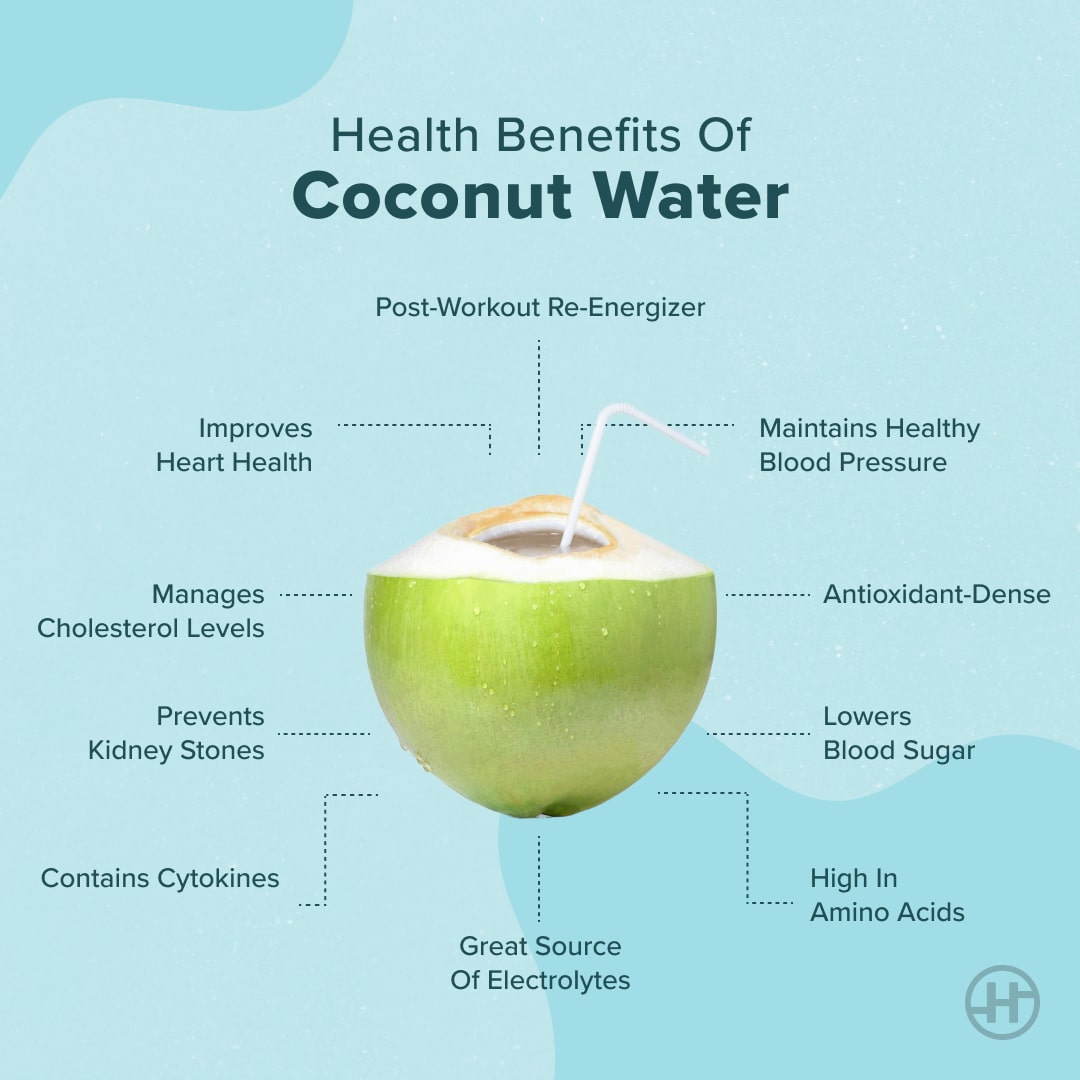
In a world increasingly besieged by the silent epidemic of hypertension, the quest for natural, accessible, and effective remedies has never been more urgent. While pharmaceutical advancements have offered a lifeline to millions, a deep-seated human instinct often pulls us towards nature’s larder, seeking solutions in the bounty of the earth. Among the myriad of traditional remedies and modern superfoods, a humble, refreshing beverage from the tropics has recently captured the spotlight: coconut water. Touted for its hydrating properties and rich electrolyte profile, particularly potassium, it poses a compelling question to the health-conscious and the scientifically curious alike: can this simple, clear liquid genuinely offer a shield against high blood pressure and, by extension, save our hearts?
This is a story that intertwines ancient wisdom with contemporary scientific scrutiny, a narrative of biochemical pathways and global health challenges. It’s a journey from the sun-drenched beaches where coconuts thrive to the intricate laboratories where their constituents are dissected, all in pursuit of an answer to one of humanity’s most pressing health concerns. For the knowledgeable reader, already familiar with the intricacies of cardiovascular physiology and nutritional science, this exploration promises to delve beyond superficial claims, examining the mechanisms, the evidence, and the nuanced reality of coconut water’s potential role in blood pressure management.
The Silent Scourge: Understanding Hypertension and Its Peril
Before we can even begin to evaluate the potential of a natural elixir, we must first fully comprehend the adversary. Hypertension, or high blood pressure, is a pervasive, chronic medical condition characterized by persistently elevated arterial blood pressure. Defined as a systolic pressure of 130 mmHg or higher, or a diastolic pressure of 80 mmHg or higher (according to updated guidelines), it is often asymptomatic, earning it the ominous moniker "the silent killer." Yet, its lack of immediate symptoms belies its devastating long-term consequences.
The mechanics of blood pressure are a delicate dance orchestrated by the heart’s pumping action, the resistance of the blood vessels, and the volume of blood circulating within the system. When this balance is disrupted, typically by a narrowing of arteries, increased blood volume, or an overly forceful heart, the pressure inside the vessels climbs. Over time, this unrelenting stress takes a severe toll on the entire cardiovascular system and beyond.
The ripple effects of untreated hypertension are profound and far-reaching. It is a primary risk factor for heart attack and stroke, the leading causes of mortality worldwide. The constant high pressure stiffens and damages arterial walls (atherosclerosis), making them more prone to plaque buildup and rupture. The heart, forced to pump harder against increased resistance, eventually weakens and enlarges, leading to heart failure. Beyond the heart, hypertension can ravage the kidneys, impair vision, contribute to peripheral artery disease, and even affect cognitive function, increasing the risk of dementia.
The global burden of hypertension is staggering. Billions worldwide are affected, with prevalence rates rising steadily, particularly in developing nations undergoing rapid urbanization and lifestyle shifts. While genetics play a role, lifestyle factors are undeniably dominant: diets high in sodium and saturated fats, physical inactivity, obesity, excessive alcohol consumption, and chronic stress are all powerful contributors.
Current management strategies for hypertension are multifaceted. They typically involve a combination of lifestyle modifications – dietary changes (such as the DASH diet), regular exercise, weight management, and stress reduction – alongside pharmacotherapy, which can include diuretics, ACE inhibitors, ARBs, beta-blockers, and calcium channel blockers. It is within this established framework of prevention and treatment that we must critically assess the potential contributions of natural interventions like coconut water.
Potassium: The Unsung Electrolyte in the Cardiovascular Symphony
Central to the claims surrounding coconut water’s blood pressure benefits is its potassium content. To understand why this is significant, we must delve into the intricate world of electrolytes and their indispensable roles in human physiology. Electrolytes are minerals that carry an electric charge when dissolved in body fluids, including blood, urine, and sweat. They are critical for nerve and muscle function, maintaining fluid balance, and regulating blood pressure. Sodium, potassium, chloride, magnesium, calcium, phosphate, and bicarbonate are the major electrolytes, each playing a unique, yet interconnected, role.
Among these, the interplay between sodium and potassium is particularly crucial for blood pressure regulation. Sodium, often consumed in excess in modern diets (primarily from processed foods), is notorious for its ability to draw water into the bloodstream, thereby increasing blood volume and subsequently blood pressure. Its omnipresence in our food supply makes managing sodium intake a constant challenge.
Potassium, in contrast, acts as sodium’s physiological antagonist. Its mechanisms of action in blood pressure reduction are several-fold:
- Sodium Excretion: Potassium promotes the excretion of sodium by the kidneys. When potassium levels are adequate, the kidneys are more efficient at flushing out excess sodium, thereby reducing fluid volume and pressure within the blood vessels.
- Vasodilation: Potassium directly contributes to the relaxation of blood vessel walls, a process known as vasodilation. By counteracting vasoconstrictive forces, potassium helps to widen arteries, allowing blood to flow more freely and reducing the resistance against which the heart must pump. This effect is thought to be mediated, in part, by potassium channels in vascular smooth muscle cells.
- Fluid Balance: Potassium is the primary intracellular cation, meaning it’s the main positively charged ion inside cells, while sodium is the primary extracellular cation. This concentration gradient is maintained by the ubiquitous sodium-potassium pump, an active transport system vital for maintaining cell volume, nerve impulse transmission, and muscle contraction, including that of the heart. A proper balance ensures optimal fluid distribution throughout the body.
- Counteracting Renin-Angiotensin System: There is evidence that adequate potassium intake can modulate the activity of the renin-angiotensin-aldosterone system (RAAS), a key hormonal cascade involved in blood pressure regulation. By influencing various components of this system, potassium may help to mitigate its pressure-raising effects.
The recommended daily intake of potassium for adults is around 4,700 mg, a target that a significant portion of the global population fails to meet. Diets rich in fruits, vegetables, and legumes are naturally high in potassium, yet the prevalence of processed foods has skewed dietary patterns towards sodium-heavy, potassium-deficient meals. This imbalance is considered a major contributing factor to the rising rates of hypertension.
Beyond its role in blood pressure, potassium is vital for maintaining a regular heartbeat, supporting nerve signals, and facilitating muscle contractions. Both excessively low potassium (hypokalemia) and excessively high potassium (hyperkalemia) can have severe, even life-threatening, consequences, particularly for cardiac rhythm. Therefore, while beneficial, potassium intake must always be considered within the broader context of an individual’s health status and overall dietary pattern.
Coconut Water: Nature’s Electrolyte Cocktail
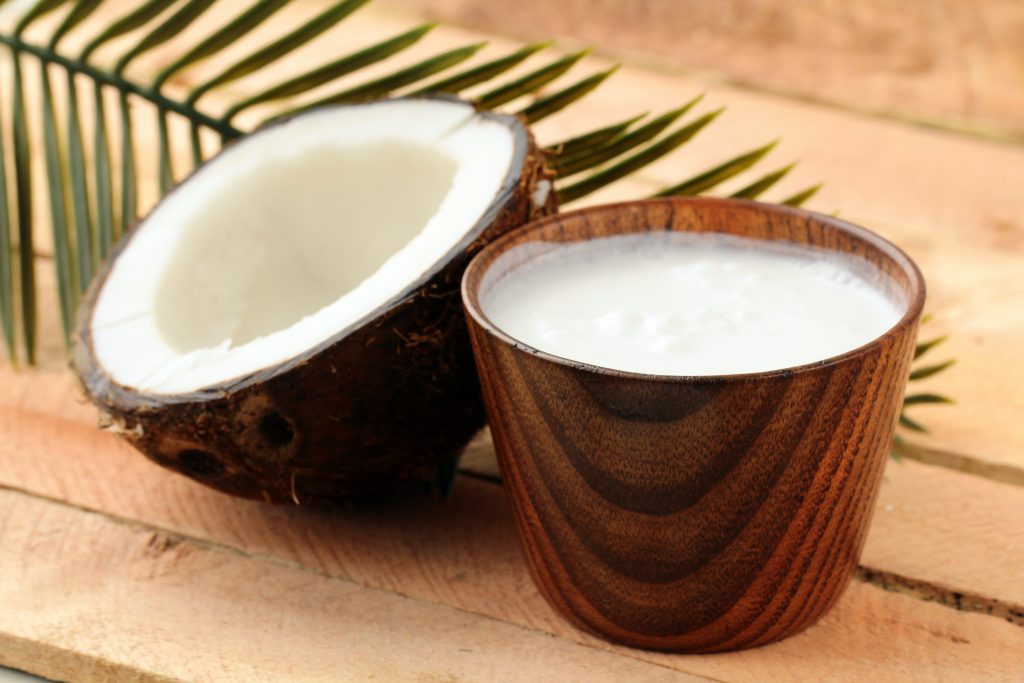
Now, let us turn our attention to the star of our story: coconut water. Not to be confused with coconut milk (a richer, thicker emulsion made from grated coconut meat) or coconut oil, coconut water is the clear, slightly sweet liquid found inside young, green coconuts. It is typically harvested from coconuts that are 5-7 months old, at which point the water is most abundant and its nutrient profile is optimal. As the coconut matures, the water gradually solidifies into the white coconut meat.
For centuries, in tropical regions across Asia, Africa, and Latin America, coconut water has been revered not just as a refreshing drink but also as a traditional medicine. It has been used to treat dehydration, digestive issues, kidney stones, and as a general tonic. Its historical use as an intravenous rehydration fluid during emergencies in wartime, when medical supplies were scarce, speaks volumes about its perceived physiological compatibility with human blood plasma.
From a nutritional perspective, coconut water is a remarkable natural beverage. It is low in calories and fat, contains no cholesterol, and is primarily composed of water (around 95%). Its true value lies in its rich electrolyte composition. A typical 8-ounce (240 ml) serving can provide:
- Potassium: Approximately 400-600 mg, making it one of the richest natural sources, often surpassing a banana in terms of concentration per serving.
- Magnesium: Around 20-30 mg, another electrolyte crucial for muscle and nerve function, blood glucose control, and, importantly, blood pressure regulation through its vasodilatory effects.
- Calcium: Approximately 40-60 mg, essential for bone health and also playing a role in muscle contraction and blood clotting.
- Sodium: Varies significantly by brand and ripeness, but generally around 25-60 mg, making it a lower-sodium alternative to many sports drinks.


Post Comment