The Bitter Promise: Exploring the Natural "Plant Insulin" in Bitter Melon
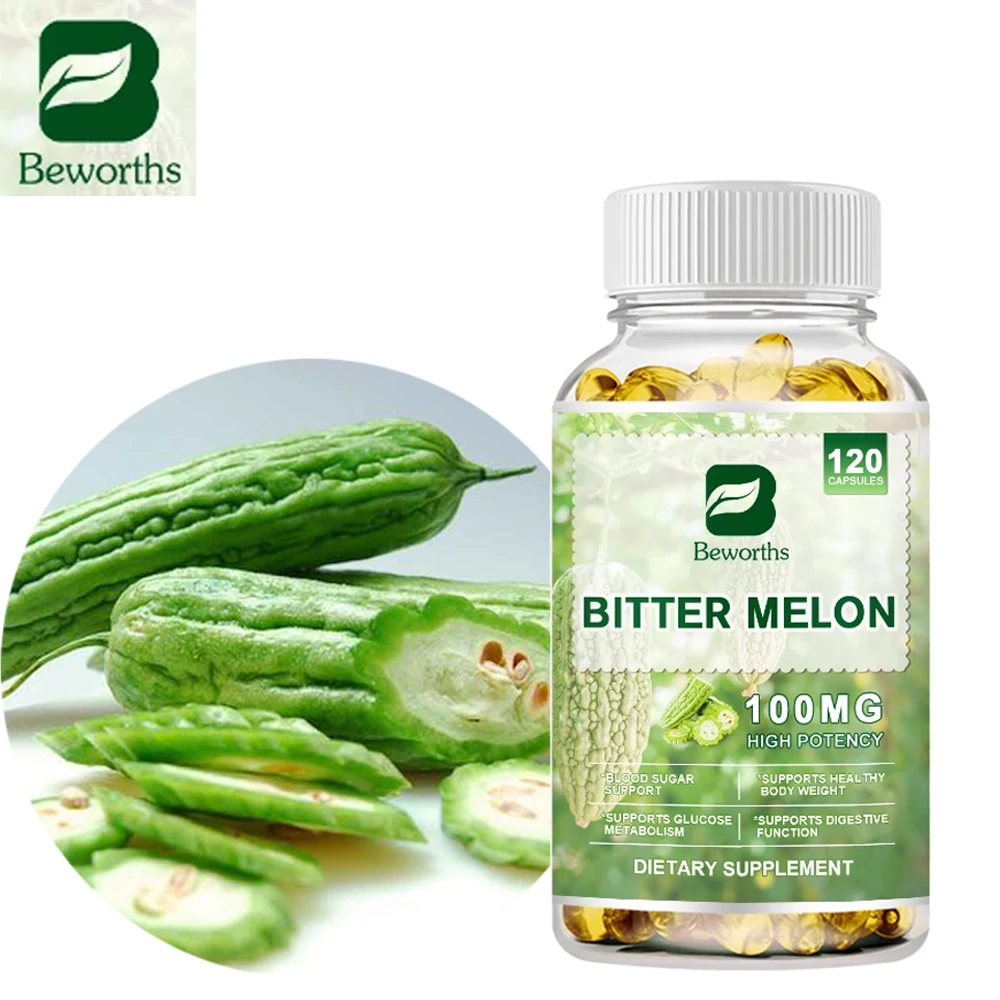
In the vast tapestry of nature’s pharmacy, certain plants emerge not just as sustenance, but as silent healers, their very existence interwoven with the ancient wisdom of civilizations. Among these botanical marvels, Momordica charantia, universally known as bitter melon, karela, or bitter gourd, stands out—a verdant enigma whose formidable bitterness belies a profound sweetness of promise for human health. For millennia, this knobbly, emerald fruit has been a cornerstone of traditional medicine, particularly for managing blood sugar. Today, modern science is diligently unraveling the complex symphony of compounds within bitter melon, focusing intensely on what many refer to as "plant insulin" – a natural mimicry of one of the body’s most vital hormones.
This is not merely a scientific exploration; it is a journey through time, a culinary adventure, and a testament to the enduring human quest for natural solutions to pervasive health challenges. It’s the story of a humble fruit, once dismissed by the uninitiated for its intense flavor, now celebrated globally for its potential to recalibrate the very metabolism of life.
I. The Bitter Legacy: A Journey Through Time and Culture
The story of bitter melon begins in the lush, tropical and subtropical regions of Asia, Africa, and the Caribbean. Its earliest recorded use dates back thousands of years, firmly entrenched in the ancient medicinal systems of Ayurveda in India and Traditional Chinese Medicine (TCM). In these venerable traditions, bitter melon was not just food; it was a revered herb, a tonic, and a remedy.
In Ayurveda, where the concept of rasa (taste) is fundamental to understanding a substance’s effect on the body, bitter melon’s tikta (bitter) taste was considered cooling and detoxifying. It was prescribed to purify the blood, stimulate digestion, and, crucially, to balance kapha and pitta doshas, often associated with metabolic imbalances. Its application for what we now understand as diabetes was well-documented, often consumed as a juice, a decoction, or incorporated into daily meals.
Similarly, in TCM, bitter melon was prized for its "cold" energy and its ability to clear heat and detoxify the body. It was used to treat various ailments, from fevers and inflammatory conditions to digestive issues. Its role in regulating blood sugar was also recognized, often prepared as a tea or stir-fried. The meticulous observation of its effects over centuries formed the bedrock of its medicinal reputation, a reputation that continues to resonate today.
As trade routes expanded and cultures intertwined, bitter melon traveled across continents, adapting to new soils and culinary traditions. From the Philippines, where it’s known as ampalaya, to the Caribbean islands, where it’s caraïlle, and throughout Africa, its presence in local cuisines and folk medicine became ubiquitous. Each culture embraced its unique bitterness, developing countless recipes to temper its pungency while harnessing its perceived health benefits. This global acceptance, rooted in practical experience, laid the groundwork for the scientific inquiry that would follow, prompting researchers to ask: what precisely gives this plant its extraordinary power?
II. The Plant Itself: Unveiling Momordica Charantia
Before delving into its biochemical wonders, it’s essential to appreciate Momordica charantia as a botanical entity. It is a member of the Cucurbitaceae family, making it a cousin to cucumbers, squashes, and melons. A vigorous, tendril-bearing vine, it thrives in warm, humid climates, producing distinctive oblong fruits characterized by their warty, irregular ridges and a vibrant green color that often deepens as they mature.
There are numerous varieties of bitter melon, differing in size, shape, and degree of bitterness. Some are long and slender, others shorter and broader, with varying intensities of the characteristic taste. The plant also yields delicate yellow flowers and seeds that, when ripe, are encased in a reddish pulp. While the fruit is the most commonly consumed part, traditional medicine often utilizes the leaves, seeds, and even the roots for their therapeutic properties.
Beyond its medicinal compounds, bitter melon is also a nutritional powerhouse. It is an excellent source of vitamins C and A, folate, and essential minerals like potassium, calcium, and iron. It is also rich in dietary fiber, contributing to digestive health and satiety. This combination of robust nutritional value and potent bioactive compounds makes bitter melon a truly holistic food-medicine. But it is the unique array of phytochemicals that truly distinguishes it, particularly those that mimic or modulate the actions of insulin.
III. The Science of Sweetness: Demystifying "Plant Insulin" Compounds
The term "plant insulin" is a compelling metaphor, encapsulating the idea that bitter melon contains substances that act similarly to human insulin, the hormone responsible for regulating blood glucose. However, it’s crucial to understand that bitter melon doesn’t contain actual human insulin. Instead, it possesses a complex cocktail of bioactive compounds that exert insulin-mimetic, insulin-sensitizing, and glucose-lowering effects through various pathways. These compounds work synergistically, creating a multi-pronged attack on hyperglycemia.
The scientific journey to isolate and identify these "plant insulin" components has been ongoing for decades, leading to the discovery of several key players:
-
Polypeptide-P (p-insulin): The Pioneering Discovery:
Perhaps the most famous "plant insulin" component is Polypeptide-P, often simply called p-insulin. Discovered in the 1980s, this plant-derived polypeptide was isolated from bitter melon fruits, seeds, and tissues. Early research suggested that p-insulin exhibited a hypoglycemic effect when administered subcutaneously to both diabetic mice and human volunteers, mimicking the action of bovine insulin. Its structure, though not identical to human insulin, shares enough homology to suggest a similar mechanism of action, particularly in its ability to bind to insulin receptors and facilitate glucose uptake by cells. While its exact clinical utility and bioavailability via oral administration remain areas of active research, its discovery was a landmark, cementing bitter melon’s reputation as a natural antidiabetic agent. -
Charantin: The Triterpenoid Powerhouse:
Charantin is a mixture of steroid glycosides, primarily beta-sitosterol-D-glucoside and stigmasterol-D-glucoside. It is widely considered one of the most potent hypoglycemic agents in bitter melon. Studies have consistently shown charantin to be effective in lowering blood glucose levels in animal models, often demonstrating a potency comparable to some synthetic antidiabetic drugs. Its mechanism is thought to involve the stimulation of insulin secretion from pancreatic beta cells, as well as enhancing glucose utilization in peripheral tissues. Charantin’s presence underscores the complexity of bitter melon’s action, moving beyond mere insulin mimicry to active modulation of the body’s own glucose regulatory systems. -
Vicine and Lectins: Beyond the Bitter:
Bitter melon also contains vicine, a pyrimidine glucoside, and a unique class of lectins (glycoproteins). These compounds contribute significantly to its antidiabetic profile. Bitter melon lectins, in particular, have been shown to bind to insulin receptors, exhibiting an insulin-like effect that promotes glucose uptake in peripheral cells. They may also modulate fat metabolism. Vicine, on the other hand, has been studied for its ability to reduce blood glucose and improve insulin sensitivity. It’s important to note that vicine, in some individuals with G6PD deficiency, can lead to adverse effects, highlighting the need for caution and medical supervision. -
A Symphony of Synergism: Flavonoids, Alkaloids, and Saponins:


Post Comment