How to Fall in Love with Bitter Melon: A Journey from Aversion to Affection
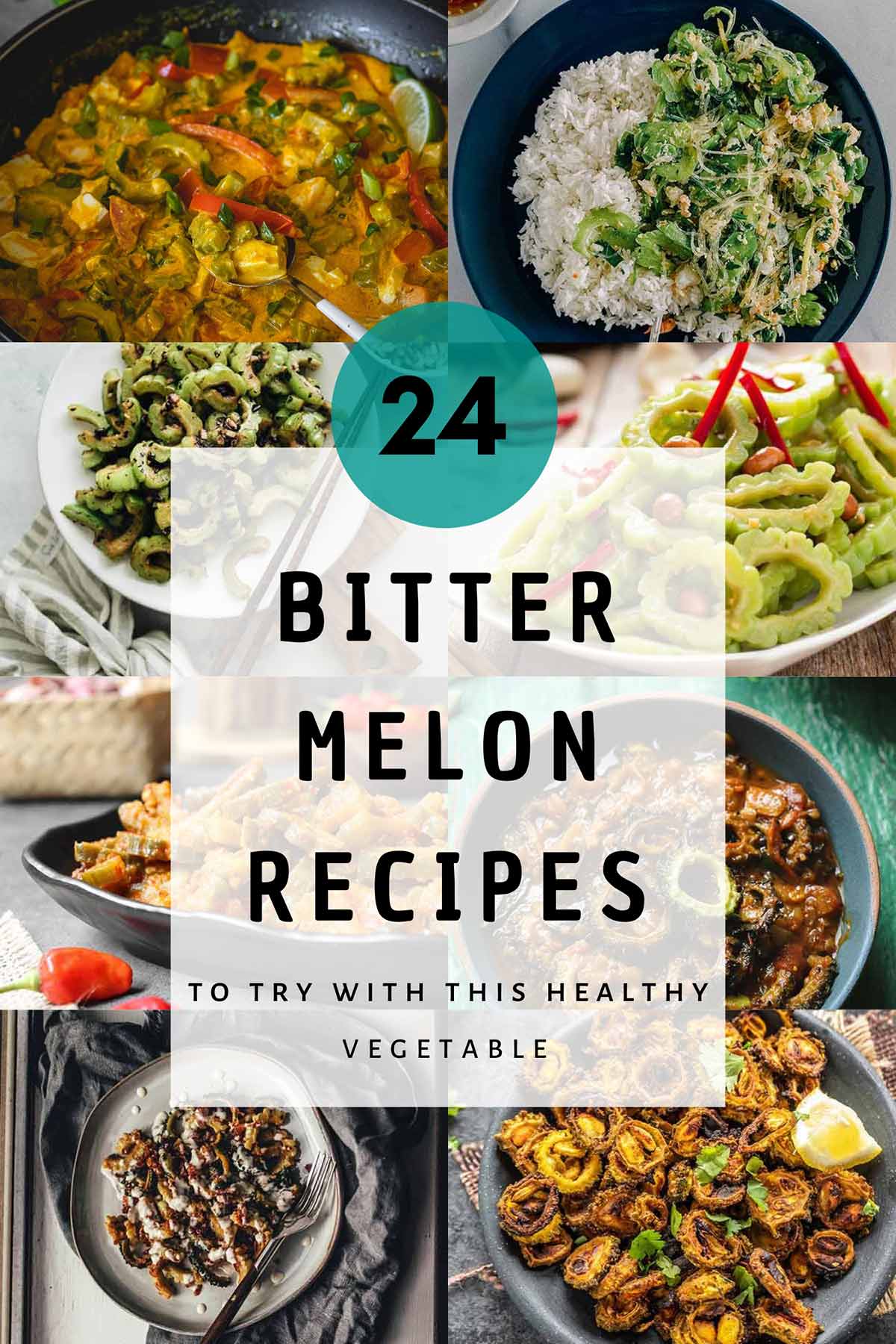
The first time I met bitter melon, it was not love at first sight. Far from it. It was a confrontation, a culinary challenge hurled across a crowded dinner table, its jagged, warty skin a defiant testament to the formidable taste lurking within. My initial reaction was, like many, one of profound, almost visceral rejection. The bitterness, sharp and unyielding, seemed to strip my palate bare, leaving behind an acrid echo that resonated long after the last chew. Yet, here I stand today, a fervent advocate, a culinary evangelist for Momordica charantia, a gourmand who has not only learned to tolerate but to deeply cherish this enigmatic vegetable. This is the story of that transformation, a detailed narrative of how one can embark on a journey from apprehension to profound affection for the humble, yet extraordinary, bitter melon.
The Genesis of Aversion: A Bitter Revelation
My introduction to bitter melon came during a summer visit to my grandmother’s house, a matriarch who ruled her kitchen with an iron fist and a heart full of traditional wisdom. She believed in the power of food as medicine, and bitter melon, or ampalaya as it’s known in the Philippines, held a revered place in her culinary pharmacopeia. The dish was a simple ginisang ampalaya, stir-fried with eggs and a touch of shrimp paste. Visually, it was appealing – vibrant green slices glistening with oil, interspersed with creamy scrambled egg. The aroma was earthy, slightly herbaceous. But the first bite… ah, the first bite.
It was an assault. A wave of intense bitterness crashed over my tongue, a flavor profile unlike anything I had ever experienced in such an unadulterated form. It wasn’t the pleasant bitterness of dark chocolate or coffee, nor the refreshing tang of citrus rind. This was raw, primal bitterness, a taste that signals caution, even danger, to an untrained palate. My young self recoiled. I remember swallowing with difficulty, my face contorted, while my grandmother watched with a knowing smile. "It’s good for you," she’d declared, a phrase that, for many of us, became inextricably linked with anything remotely unpalatable.
This initial encounter is not unique. Across cultures, bitter melon elicits strong reactions. In India, it’s karela; in China, kugua; in Japan, goya. Each name carries with it a legacy of culinary tradition, often alongside a collective groan from those uninitiated. Its bitterness is attributed primarily to cucurbitacins, a group of biochemical compounds also found in cucumbers and squash, but present in much higher concentrations in bitter melon. These compounds, while challenging to the taste buds, are precisely what confer many of the gourd’s celebrated health benefits, a fact that, for a long time, seemed a poor consolation for the taste experience.
For years, bitter melon remained on my culinary blacklist. I would politely decline it, invent sudden allergies, or surreptitiously push it to the side of my plate. The thought of voluntarily consuming it seemed perverse. Yet, the seeds of curiosity, much like the seeds within the melon itself, were subtly planted. I would observe my grandmother, my aunts, my uncles, savoring it, their faces reflecting not aversion but enjoyment, even contentment. How, I wondered, could they find pleasure in such a potent flavor? This question marked the true beginning of my journey, a nascent desire to understand, and perhaps, to conquer.
Chapter 1: The Art of Taming the Beast – Preparation & Technique
The path to loving bitter melon is paved not with instant gratification, but with patience, respect, and a deep understanding of its nature. It’s a courtship, a slow dance where you learn its nuances, its vulnerabilities, and its hidden charms. The first crucial step in this journey is mastering the art of preparation. This is where the knowledgeable audience will find practical wisdom, transforming a formidable ingredient into a manageable, even delightful, one.
Selection Matters: Not all bitter melons are created equal. My grandmother taught me to look for certain qualities. A good bitter melon should be firm to the touch, with a vibrant green color. Avoid those with yellowing spots, as this indicates overripeness, which often translates to increased bitterness. There are also different varieties. The Chinese bitter melon is typically larger, paler green, and has smoother, broader ridges. The Indian variety is smaller, darker green, and has sharper, more pronounced spikes. Generally, the smaller and darker the melon, the more intense its bitterness. For beginners, the Chinese variety often offers a slightly milder introduction.
The Ritual of De-Bitterness (or rather, Bitterness Management): This is where technique becomes paramount. The goal isn’t to eliminate the bitterness entirely, for that would strip the melon of its character and therapeutic properties. Rather, it’s about taming it, bringing it into balance with other flavors.
-
Scraping the Pith and Seeds: This is perhaps the most fundamental step. After slicing the melon lengthwise, use a spoon to thoroughly scrape out the white pith and all the seeds. The pith, much like the white part of a citrus rind, holds a significant concentration of bitter compounds. Removing it dramatically reduces the overall bitterness. This simple act alone can transform the eating experience.
-
Salting and Draining (The Osmotic Dance): This technique is a game-changer. After slicing the melon (often into thin half-moons or rounds), place the pieces in a bowl and generously sprinkle them with salt. About a tablespoon of salt for a medium-sized melon is a good starting point. Gently massage the salt into the melon slices, then let them sit for 20-30 minutes. During this time, osmosis works its magic: the salt draws out moisture, and with it, a significant portion of the bitter compounds. You’ll notice a pool of greenish liquid forming at the bottom of the bowl. After resting, firmly squeeze the melon slices with your hands to extract as much liquid as possible. Rinse them briefly under cold water if you’re concerned about excess salt, then squeeze again. This process not only reduces bitterness but also firms up the melon’s texture, giving it a satisfying bite.
-
Blanching (A Quick Dip): For those still sensitive to bitterness, blanching offers another layer of mitigation. After salting and draining, you can briefly immerse the melon slices in boiling water for 1-2 minutes, then immediately plunge them into an ice bath to stop the cooking process and preserve their vibrant color. While effective, blanching can slightly alter the texture, making it a bit softer. I personally prefer the salting method as it retains more of the melon’s inherent crispness.
My early attempts were clumsy. I’d forget to scrape the pith adequately, or I wouldn’t squeeze out enough liquid. The resulting dishes were still undeniably bitter, but there was a noticeable difference. The acrid edge was dulled, replaced by a more nuanced bitterness that began to reveal subtle undertones. It was like listening to a piece of music with the volume turned down, finally being able to discern individual instruments rather than just a cacophony. This incremental improvement was the first flicker of hope, the initial sign that perhaps, just perhaps, love was not entirely out of reach.
Chapter 2: The Culinary Courtship – Pairing & Recipes
With the groundwork laid by proper preparation, the next phase of the courtship involves strategic pairing. Bitter melon, much like a strong personality, thrives when placed in the right company. Its bitterness, when balanced by other flavors – sweet, sour, savory, umami, and fat – transforms from an antagonist into a compelling counterpoint, adding depth and complexity to a dish. This is where the "knowledgeable" audience will appreciate the intricate dance of flavor profiles.
The Power of Umami and Fat: These are bitter melon’s best friends. Umami-rich ingredients like fermented black beans, soy sauce, oyster sauce, shrimp paste, or even simple mushrooms and meats (pork, beef, chicken) provide a savory depth that acts as a perfect foil. Fat, whether from oil, pork belly, or eggs, coats the palate, softening the impact of the bitterness and allowing other flavors to emerge.
Classic Pairings and Dishes:
-
Bitter Melon with Eggs (Ginisang Ampalaya): This was my grandmother’s dish, and it remains a comforting classic. After proper preparation, the bitter melon is stir-fried quickly with garlic and onions, then scrambled eggs are folded in. The richness of the egg mellows the bitterness, creating a harmonious blend. A touch of fish sauce or shrimp paste adds an umami punch. This was the first dish where I genuinely began to enjoy bitter melon. The bitterness was present, but it was integrated, not dominating.



Post Comment