Cellular Defense: How Algae’s Antioxidants Combat Oxidative Stress
The Unseen Battle: A Prologue to Cellular Survival
Imagine a microscopic world, bustling with life, yet constantly under siege. Within every living cell, an invisible battle rages – a ceaseless skirmish against molecular marauders known as Reactive Oxygen Species (ROS). These highly reactive molecules, byproducts of essential metabolic processes and environmental assaults, are capable of wreaking havoc, damaging DNA, proteins, and lipids, ultimately leading to cellular dysfunction, aging, and disease. This pervasive threat, termed "oxidative stress," is a universal challenge, from the simplest bacterium to the most complex mammal.
But nature, in its infinite wisdom, has engineered sophisticated defenses. Among the unsung heroes in this cellular war are algae – a diverse and ancient group of photosynthetic organisms, ranging from microscopic single-celled wonders to macroscopic seaweeds. Often dismissed as mere pond scum or oceanic flora, algae are, in fact, biochemical powerhouses, having evolved an astonishing array of antioxidant compounds to survive and thrive in some of the planet’s harshest environments. Their vibrant pigments and unique metabolic byproducts are not just for show; they are the sophisticated weaponry in a cellular defense system honed over billions of years.
This is the story of how algae, through their remarkable arsenal of antioxidants, not only combat oxidative stress within their own cells but also offer profound insights and potent solutions for human health and beyond. It is a journey into the intricate world of molecular biology, evolutionary adaptation, and the boundless potential of the natural world.
Chapter 1: The Enemy Within and Without – Understanding Oxidative Stress
To truly appreciate the algal defense, we must first understand the enemy: oxidative stress. At its core, life is a delicate balance of creation and destruction, synthesis and degradation. Metabolism, the sum of all chemical reactions that occur in living organisms, is the engine of life, but like any engine, it produces exhaust. A significant portion of this "exhaust" comes in the form of ROS – highly reactive molecules containing oxygen.
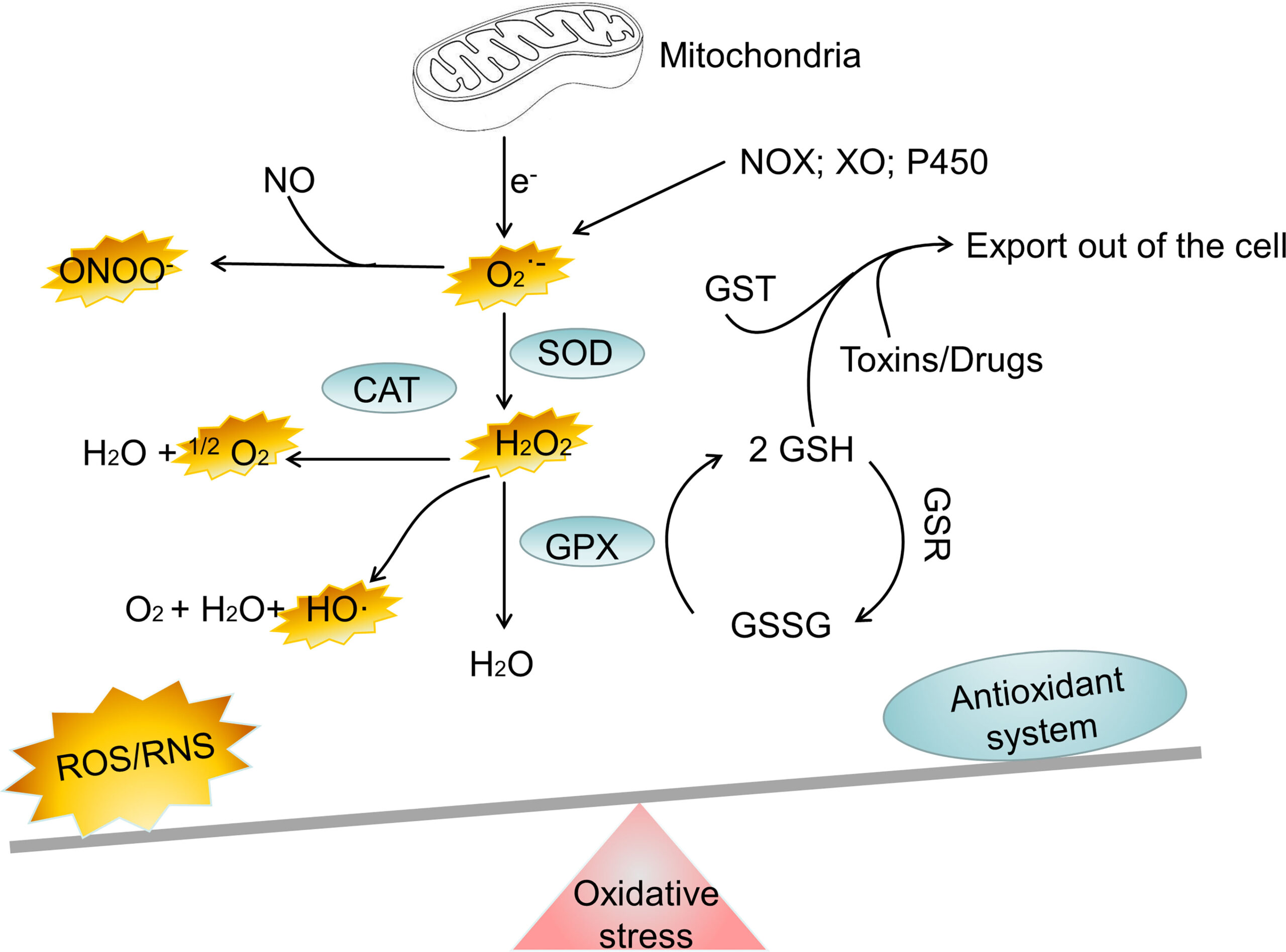
The most common ROS include the superoxide radical (O₂⁻•), hydrogen peroxide (H₂O₂), and the hydroxyl radical (•OH). These molecules are characterized by having unpaired electrons, making them inherently unstable and eager to react with anything in their vicinity to achieve stability. This quest for stability often involves "stealing" electrons from other molecules, initiating a chain reaction of damage.
Sources of ROS:
-
Endogenous Sources (Internal):
- Mitochondrial Respiration: The electron transport chain, crucial for ATP production, is the primary intracellular source of ROS. A small percentage of electrons can prematurely escape, reacting with oxygen to form superoxide radicals.
- Enzymatic Reactions: Various enzymes, such as NADPH oxidases (NOX), xanthine oxidase, and lipoxygenases, produce ROS as part of their normal catalytic cycles, often in response to signaling pathways or immune responses.
- Peroxisomes: These organelles, involved in fatty acid metabolism, generate hydrogen peroxide.
- Inflammation: Immune cells, particularly phagocytes, intentionally produce ROS (respiratory burst) to destroy pathogens. While vital for defense, uncontrolled inflammation can lead to bystander damage.
-
Exogenous Sources (External):
- Ultraviolet (UV) Radiation: A potent inducer of ROS, UV light can directly damage DNA and generate free radicals in the skin and other exposed tissues.
- Pollutants and Toxins: Industrial chemicals, heavy metals, pesticides, and cigarette smoke contain or generate free radicals and ROS upon exposure.
- Ionizing Radiation: X-rays and gamma rays can break molecular bonds and produce highly reactive hydroxyl radicals.
- Certain Drugs: Some chemotherapeutic agents and other pharmaceuticals can induce oxidative stress as part of their mechanism of action or as a side effect.
- High Oxygen Concentrations: While oxygen is essential for aerobic life, excessively high levels can overwhelm antioxidant defenses.
- Pathogens: Bacterial and viral infections can trigger host immune responses that generate ROS.



Post Comment