The Unseen Current: Why Being Near Water Slashes Stress Levels
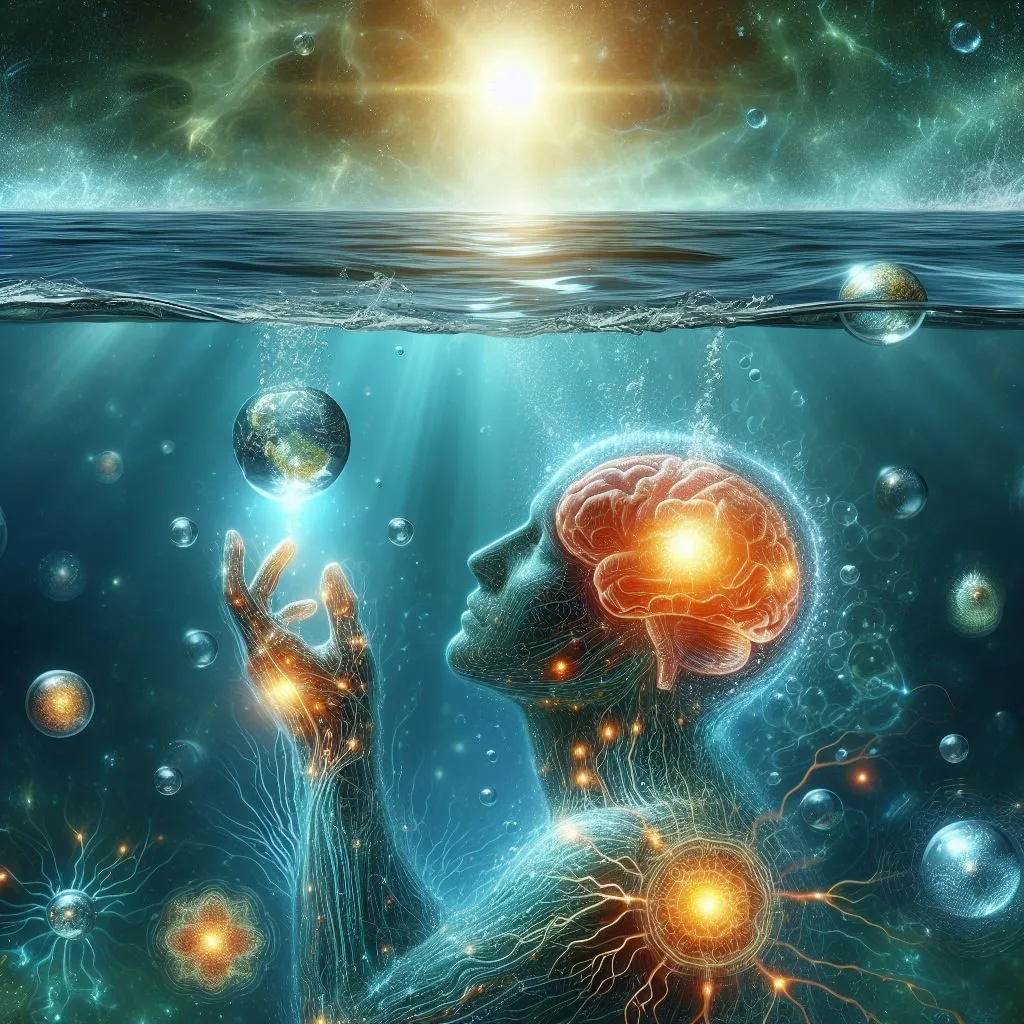
The ceaseless rhythm of the ocean, the gentle gurgle of a mountain stream, the shimmering expanse of a tranquil lake – for millennia, humanity has been drawn to water as if by an invisible thread. It is a fundamental, almost primal attraction, one that transcends culture, age, and individual preference. In our increasingly frenetic modern world, where the demands of work, technology, and urban living conspire to elevate our stress levels to unprecedented heights, the allure of water has become more potent than ever. We instinctively seek it out, flocking to coastlines, lakeside retreats, and riverbanks, often without fully understanding the profound, restorative power it holds over our minds and bodies.
This is not merely a preference; it is a deeply embedded biological and psychological imperative. The science is increasingly catching up to what poets, philosophers, and ancient civilizations have long intuited: being near water, in its myriad forms, possesses an extraordinary capacity to soothe our anxieties, rejuvenate our spirits, and dramatically slash our stress levels. This article will embark on a journey to unravel this intricate connection, delving into the evolutionary, sensory, psychological, and physiological mechanisms that make water an unparalleled balm for the stressed soul, ultimately telling the story of our inseparable bond with the planet’s most vital element.
The Primal Pull: An Evolutionary Legacy and the Cradle of Life
To understand our innate attraction to water, we must first look back, far back, into the very origins of life and the crucible of human evolution. Water, after all, is the wellspring from which all life emerged. Our own bodies are predominantly water, a testament to our deep connection to this element. From the earliest single-celled organisms to the complex mammals we are today, water has been the indispensable medium for survival.
Imagine our ancient ancestors, navigating a harsh and unpredictable landscape. The presence of water – a river, a spring, a lake – signified life. It meant drink, food (fish, game drawn to the water), and often a natural barrier against predators. A consistent water source was the very foundation upon which communities could form, flourish, and endure. This fundamental truth, repeated over countless generations, etched itself into our collective consciousness and, more importantly, into the very architecture of our brains.
This isn’t merely anecdotal; it’s echoed in the "biophilia" hypothesis, a term popularized by the renowned biologist E.O. Wilson. Biophilia suggests that humans possess an innate tendency to connect with nature and other living systems. Within this broad concept, our affinity for water – what Dr. Wallace J. Nichols later termed the "Blue Mind" – stands out as a particularly powerful manifestation. Our brains are, in essence, hardwired to perceive water as a signal of safety, abundance, and life itself. The sight of a shimmering body of water, therefore, doesn’t just register as a pretty scene; it triggers a deep, evolutionary sigh of relief, signaling to our ancient survival instincts that all is well, that resources are plentiful, and that the immediate threat has subsided. This primal sense of security lays the groundwork for the profound stress reduction we experience.
The Sensory Symphony: A Multisensory Experience of Serenity
The experience of being near water is rarely a singular one. It’s a rich, multisensory tapestry that engages nearly all our senses, each contributing to a symphony of calm. It’s this comprehensive sensory engagement that amplifies water’s stress-reducing effects.
The Blue Mind: The Visual Allure
Perhaps the most immediate and impactful sensory input from water is visual. Dr. Wallace J. Nichols’ seminal work, "Blue Mind," explores how being near, in, or under water can make us happier, healthier, more connected, and better at what we do. Central to this concept is the visual power of water.
The color blue itself holds significant psychological weight. Across cultures, blue is consistently associated with calm, peace, openness, and serenity. It evokes images of clear skies and vast oceans, environments known for their tranquil qualities. When we gaze upon a body of water, particularly one that reflects the sky, our visual field is dominated by this soothing hue.
Beyond color, the specific visual characteristics of water are inherently relaxing. The lack of sharp, angular edges, prevalent in many man-made environments, is replaced by fluid, organic curves and lines. The endless horizon of the ocean offers a sense of expansive freedom, a visual metaphor for open possibilities and a release from confinement. The gentle, predictable movement of ripples, waves, or flowing currents provides a form of "soft fascination" – it captures our attention without demanding intense cognitive effort, allowing our minds to wander and decompress. This visual experience acts like a visual meditation, gently guiding our minds away from intrusive thoughts and towards a state of peaceful contemplation.
Acoustic Tranquility: The Soundscape of Calm
Close your eyes near a body of water, and another layer of its magic unfolds: its unique acoustic landscape. The sounds of water – be it the rhythmic crash of ocean waves, the gentle lapping of a lake against the shore, the steady patter of rain, or the melodic gurgle of a brook – possess an almost hypnotic quality.
These sounds often function as a natural form of white noise. They effectively mask jarring or distracting urban noises – traffic, sirens, chatter – creating an acoustic buffer that allows our minds to relax. Unlike harsh, sudden sounds that trigger our fight-or-flight response, the sounds of water are typically predictable, repetitive, and organic. This predictability signals safety to our auditory system, allowing our nervous system to settle.
Research has shown that listening to natural sounds, particularly those of water, can lower heart rate, reduce blood pressure, and decrease levels of the stress hormone cortisol. The brain processes these sounds differently than artificial ones, activating areas associated with relaxation and introspection rather than those linked to anxiety and external focus. The rhythmic ebb and flow of waves, for instance, can synchronize with our internal rhythms, fostering a sense of deep calm and even inducing a meditative state.
Tactile Soothe: The Touch of Water
The tactile experience of water is perhaps the most direct and profoundly physical way it reduces stress. Whether it’s swimming in the invigorating coolness of the ocean, dipping toes into a warm lake, feeling the fine mist of a waterfall on your skin, or simply splashing water on your face, the physical contact with water is inherently therapeutic.
The principle of buoyancy offers a unique form of relief. When we immerse ourselves in water, the gravitational pull on our bodies is significantly reduced, creating a sensation of weightlessness. This momentary liberation from gravity can alleviate physical tension in muscles and joints, providing a profound sense of physical ease that translates directly into mental relaxation. This is the basis of hydrotherapy, a practice used for centuries to treat various ailments, including stress and anxiety.
The temperature of water also plays a crucial role. A refreshing plunge can be invigorating, stimulating circulation and awakening the senses, while a warm bath or a dip in a heated pool can relax muscles and soothe the nervous system. Even the subtle feeling of a gentle breeze carrying moisture from a nearby body of water can evoke a sense of freshness and calm.
Olfactory Serenity: The Scent of the Shore
While often less consciously acknowledged, the smell of water environments contributes significantly to their stress-reducing power. The salty tang of the ocean air, the clean, earthy scent of petrichor after rain on dry ground, or the fresh, ozone-like smell near a powerful waterfall are all distinct olfactory cues that signal natural, clean environments.
These scents are often associated with freedom, open spaces, and purity. They can evoke positive memories – childhood vacations, peaceful moments – which further contribute to a sense of well-being. There’s also the theory, though debated in scientific circles, that environments near moving water produce negative ions. These invisible molecules are believed by some to be inhaled and absorbed into the bloodstream, where they can produce biochemical reactions that increase levels of serotonin, a mood-enhancing neurotransmitter, and help alleviate depression and anxiety. Regardless of the precise mechanism, the overall olfactory experience near water is consistently perceived as refreshing and uplifting.
The Essence of Life: A Symbolic Taste
While we don’t typically "taste" the water environment in the same way we see or hear it, the presence of clean, fresh water is fundamentally linked to our survival and well-being. The knowledge that a source of hydration is nearby is a deep, unconscious reassurance. The very concept of "freshness" and "purity" is inextricably linked to water, and this symbolic taste of life itself further reinforces its positive psychological impact. Hydration, after all, is critical for all bodily functions, including cognitive clarity and mood regulation.
The Psychological Sanctuary: Cognitive Restoration and Perspective
Beyond the immediate sensory input, water environments offer profound psychological benefits, acting as powerful catalysts for cognitive restoration and shifting our mental states.
Soft Fascination and Attention Restoration Theory (ART)
In their groundbreaking Attention Restoration Theory (ART), environmental psychologists Rachel and Stephen Kaplan proposed that nature has the power to restore our ability to concentrate. They identified several qualities of restorative environments, and "soft fascination" is particularly relevant to water.




Post Comment