Bitters and Bites: How Savory Stimulates Healthy Appetite and Digestion
The aroma of a slow-simmered broth, rich with the promise of sustenance, awakens something primal within us. The sharp, invigorating bite of a bitter green, tasted before a meal, acts as a clarion call to our digestive system. These are not mere sensory experiences; they are profound dialogues between our environment and our inner workings, ancient languages spoken by our bodies to prepare for, and extract the most from, the nourishment we seek.
In an age dominated by hyper-palatable, sugar-laden, and often blandly processed foods, the nuanced interplay of savory and bitter has been largely forgotten or relegated to the realm of culinary esoterica. Yet, for millennia, cultures across the globe have instinctively understood their power – not just to delight the palate, but to orchestrate a symphony of digestive health and foster a truly healthy appetite. This is the story of that symphony, a journey into the science, history, and art of how savory stimulates, and bitter prepares, our bodies for optimal nourishment.
The Ancestral Whisper: Bitters and the Cephalic Phase
Imagine, for a moment, an ancient ancestor foraging in a primeval forest. Their senses are their survival tools. A flash of vibrant red or purple might signal sweet fruit; a pungent aroma, a potential threat. And then, the unmistakable, often challenging, taste of bitterness. Evolutionarily, bitterness is a warning signal, a marker of potential toxins. Yet, our ancestors, through observation and trial, learned to distinguish between deadly bitterness and the kind that, in measured doses, offered profound medicinal benefits. This discernment paved the way for the intentional use of bitter herbs, roots, and barks that forms the bedrock of traditional medicine systems worldwide.
The moment a bitter compound touches our tongue, a remarkable cascade of physiological events is set into motion, even before the food reaches our stomach. This is the cephalic phase of digestion, a pre-emptive strike orchestrated by the brain in anticipation of food. The very act of seeing, smelling, or even thinking about food can trigger it, but it’s the taste of bitterness that acts as a particularly potent catalyst.
Our tongues are equipped with a sophisticated array of taste receptors, including some specifically tuned to detect bitter compounds. When these receptors are activated, they send urgent signals to the brainstem. This, in turn, stimulates the vagal nerve, a crucial conduit of information that connects the brain to most of our vital organs, including the stomach, pancreas, liver, and gallbladder.
Think of the vagal nerve as the conductor of our internal digestive orchestra. Upon receiving the bitter signal, it begins to rouse the various sections:
- Salivation: The mouth waters, not just with plain saliva, but with saliva enriched with enzymes like amylase, ready to begin breaking down carbohydrates.
- Gastric Acid Secretion: The stomach, alerted by the vagal nerve, starts pumping out hydrochloric acid. This acid is critical for sterilizing food, denaturing proteins (making them easier for enzymes to break down), and activating pepsin, a key protein-digesting enzyme. Without sufficient stomach acid, protein digestion is compromised, leading to issues like bloating, indigestion, and nutrient malabsorption.
- Bile Release: The gallbladder, under vagal influence, contracts, releasing bile into the small intestine. Bile, produced by the liver, is essential for emulsifying fats, breaking them into smaller droplets that can be more easily digested and absorbed.
- Pancreatic Enzyme Secretion: The pancreas, another vital player, receives the signal to release a cocktail of digestive enzymes – lipases for fats, proteases for proteins, and amylases for carbohydrates – into the small intestine.
In essence, a bitter aperitif or a handful of bitter greens before a meal is not just a culinary choice; it’s a sophisticated physiological hack. It tells our digestive system, "Attention! Food is coming, and it’s time to get to work." This pre-emptive activation ensures that when the actual food arrives, the digestive machinery is fully primed and ready to extract maximum nutrients with minimal discomfort.
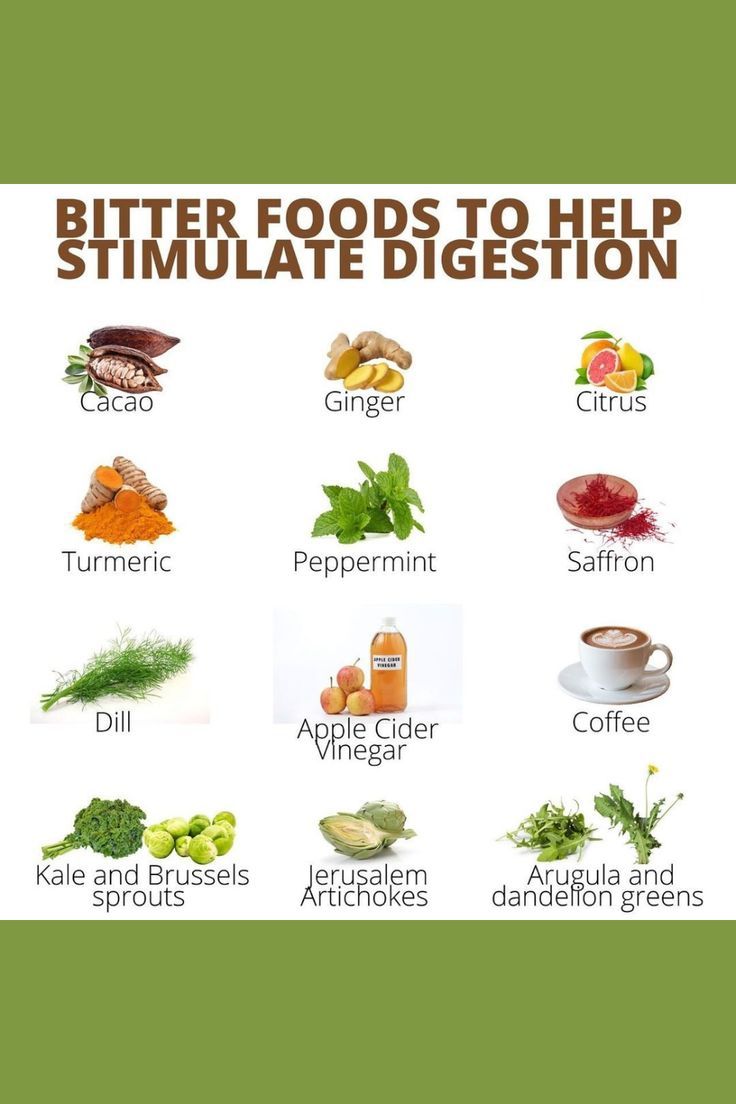
From Ayurvedic principles that emphasize the inclusion of all six tastes (sweet, sour, salty, pungent, bitter, astringent) in every meal, to Traditional Chinese Medicine’s use of bitter herbs for "clearing heat" and promoting digestion, to the European tradition of amari and digestifs, the wisdom of bitterness is woven into the fabric of global health practices. Gentian, dandelion, artichoke, wormwood, citrus peel – these are just a few of the botanical champions that have graced our palates and aided our digestion for centuries, their challenging taste a gateway to profound well-being.
The Umami Embrace: Savory and the Satisfaction Signal
If bitterness is the ancient whisper that prepares, then savory, or umami, is the satisfying embrace that assures. The discovery of umami as a distinct fifth taste is a relatively recent phenomenon in Western science, though its culinary presence has been recognized and revered in East Asian cultures for millennia. It was Japanese chemist Kikunae Ikeda who, in 1908, isolated glutamate from kombu seaweed and identified it as the source of this unique, brothy, meaty, deeply satisfying taste, which he named "umami" – literally, "delicious essence."
Umami is primarily triggered by the presence of glutamate, an amino acid, and certain nucleotides (inosinate and guanylate), often found together in foods. These compounds bind to specific taste receptors on our tongues (T1R1/T1R3), sending signals to the brain that signify nutrient density and satisfaction.
Unlike sweetness, which signals readily available energy, or bitterness, which signals potential toxins, umami signals protein-rich foods and foods that have undergone fermentation or aging – processes that break down complex proteins into free amino acids, thus concentrating glutamate. This makes umami a crucial evolutionary signal for nutrient-dense foods.
The physiological impact of umami extends far beyond the pleasure of the palate:
- Enhanced Palatability and Satiety: Umami-rich foods are inherently more palatable, encouraging us to eat sufficiently and derive greater satisfaction from our meals. This satisfaction is key to preventing overeating driven by a feeling of "something missing," even after consuming a large volume of food. Studies have shown that umami can enhance satiety, leading to reduced calorie intake in subsequent meals.
- Increased Salivation: Similar to bitterness, umami also stimulates salivation, further aiding the initial breakdown of food in the mouth.
- Gastric Acid and Enzyme Secretion: Research suggests that umami receptors are not only present on the tongue but also in the gut. When umami compounds reach the stomach and small intestine, they can further stimulate gastric acid production and the release of digestive enzymes, acting as a secondary digestive signal.
- Gut Hormone Release: Umami in the gut can trigger the release of various enteroendocrine hormones, such as cholecystokinin (CCK), glucagon-like peptide-1 (GLP-1), and peptide YY (PYY). These hormones play crucial roles in signaling satiety to the brain, regulating gastric emptying, and stimulating pancreatic enzyme secretion. They essentially communicate to the brain that nutrient-rich food has arrived and digestion is underway.
The cultural celebration of umami is evident in fermented foods like soy sauce, miso, fish sauce, aged cheeses (Parmesan, Gruyère), cured meats, slow-cooked broths, mushrooms (shiitake, porcini), and ripe tomatoes. These are the cornerstones of many traditional cuisines, not just for their flavor, but for their profound ability to satisfy and nourish. A bowl of ramen, with its rich, savory broth; a perfectly seared steak; a complex mushroom risotto – these dishes tap into our innate desire for umami, fulfilling a deep physiological need for nutrient recognition and signaling.
The Dance of Contrasts: Bitters and Savory Hand-in-Hand
The true magic unfolds when bitterness and savory are understood not as isolated tastes, but as complementary forces in a delicate dance. They are the yin and yang of digestive harmony, each playing a distinct yet vital role in preparing, processing, and satisfying the body.



Post Comment