Metabolism in a Bowl: The Clinical Benefits of Matcha’s High Catechin Content
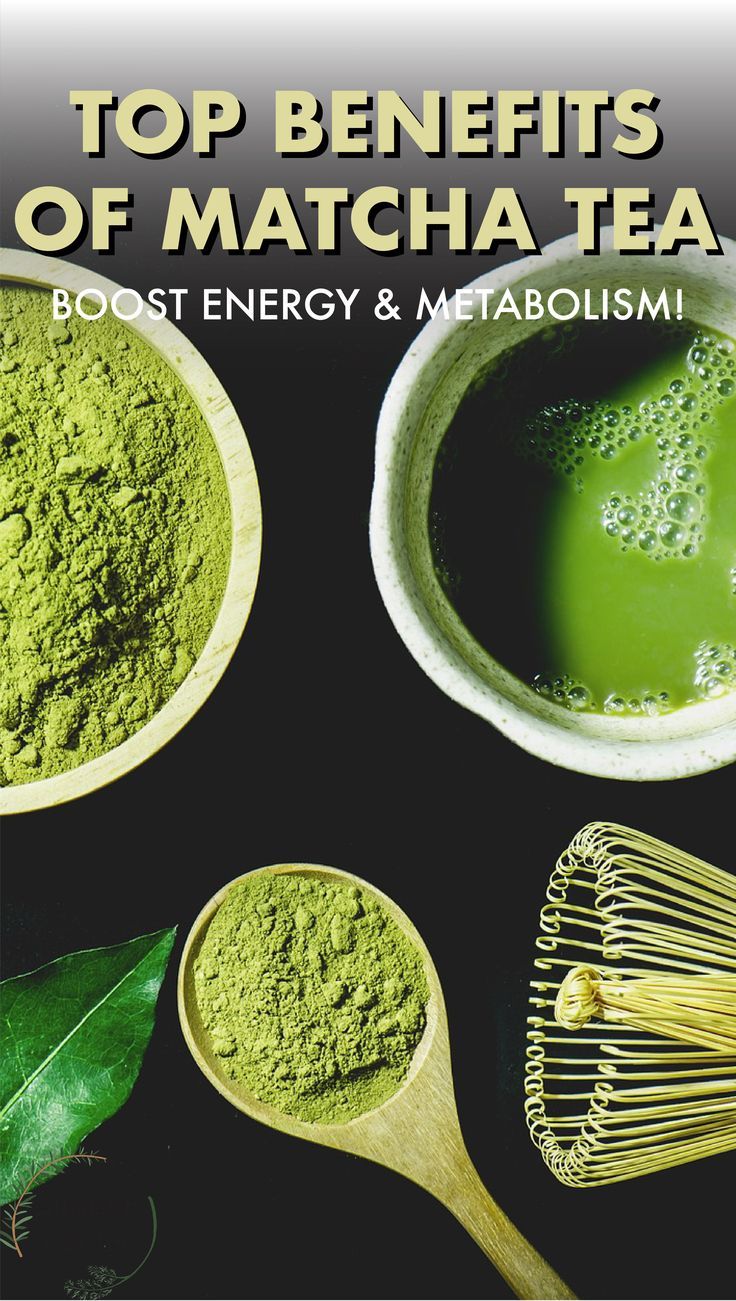
In the tranquil heart of Japanese culture, a ritual unfolds daily, steeped in centuries of tradition and mindfulness. A delicate emerald powder, whisked into a frothy elixir, offers more than just a moment of calm; it presents a profound dialogue with the very core of our being. This is the story of matcha, not merely as a beverage, but as a potent botanical powerhouse, a "Metabolism in a Bowl" whose clinical benefits, largely attributable to its extraordinary catechin content, are increasingly illuminated by modern science. For the knowledgeable audience, the narrative of matcha transcends its aesthetic appeal, unfolding into a sophisticated tapestry of biochemical interactions, cellular signaling, and systemic health improvements that speak directly to the intricate dance of human metabolism.
The Alchemy of Matcha: Beyond a Mere Beverage
To truly appreciate matcha’s impact, we must first understand its unique genesis. Unlike traditional green tea, where leaves are steeped and then discarded, matcha involves consuming the entire tea leaf, meticulously ground into a fine powder. This fundamental difference is the crucible in which matcha’s superior nutritional profile is forged. The journey begins weeks before harvest, when tea bushes (Camellia sinensis) are shaded from direct sunlight. This shade-growing technique is not merely a horticultural quirk; it is a deliberate act of botanical alchemy that significantly alters the plant’s biochemistry.
Under the canopy, the tea plant, striving to capture every available photon, ramps up its production of chlorophyll, intensifying the vibrant green hue characteristic of matcha. More critically, the shading process stimulates the synthesis of amino acids, particularly L-theanine, which contributes to matcha’s unique umami flavor and its calming, focused energy. Concurrently, the production of polyphenolic compounds, including the celebrated catechins, is either enhanced or preserved in higher concentrations compared to sun-grown tea. When these shade-grown leaves are then carefully steamed, dried, and stone-ground, the resulting matcha powder delivers a concentrated payload of these bioactive compounds, a far richer dose than any standard green tea infusion could offer. It is this whole-leaf consumption, bypassing the inefficiencies of steeping, that positions matcha as a true superfood, an unadulterated delivery system for its impressive array of health-promoting molecules.
Unpacking the Catechin Arsenal: EGCG as the Maestro
At the heart of matcha’s clinical prowess lies its exceptional concentration of catechins, a subgroup of flavonoids belonging to the broader class of polyphenols. While green tea contains several catechins – epicatechin (EC), epigallocatechin (EGC), epicatechin gallate (ECG), and epigallocatechin gallate (EGCG) – it is EGCG that stands as the undisputed maestro of this biochemical orchestra. EGCG alone can account for up to 60% of the total catechin content in matcha, reaching levels that can be three to five times higher than those found in conventionally brewed green tea.
EGCG is a marvel of molecular design. Its complex structure, replete with multiple hydroxyl groups, confers upon it formidable antioxidant capabilities, allowing it to scavenge free radicals and mitigate oxidative stress, a foundational driver of chronic disease. But EGCG’s role extends far beyond simple antioxidant defense. It acts as a pleiotropic modulator, interacting with a multitude of cellular targets and signaling pathways, thereby influencing diverse physiological processes. From gene expression to enzyme activity, EGCG orchestrates a symphony of effects that culminate in profound metabolic and systemic benefits. For the discerning mind, understanding matcha’s impact necessitates a deep dive into the specific mechanisms through which EGCG and its catechin cohorts exert their influence.
The Metabolic Symphony: How Catechins Orchestrate Change
The "Metabolism in a Bowl" concept truly comes alive when we dissect the intricate ways in which matcha’s catechins, particularly EGCG, interact with our metabolic machinery. This isn’t a blunt instrument approach; it’s a finely tuned, multi-faceted intervention.
1. Thermogenesis and Fat Oxidation: Stoking the Inner Fire
One of the most celebrated metabolic benefits of matcha is its ability to enhance thermogenesis and promote fat oxidation. This mechanism is primarily mediated through the sympathetic nervous system. EGCG has been shown to inhibit catechol-O-methyltransferase (COMT), an enzyme responsible for breaking down norepinephrine, a key neurotransmitter involved in regulating metabolism and thermogenesis. By inhibiting COMT, EGCG prolongs the action of norepinephrine, leading to a sustained activation of beta-adrenergic receptors on fat cells. This activation triggers a cascade of events that includes increased lipolysis (the breakdown of stored fat into free fatty acids) and enhanced fatty acid oxidation in both skeletal muscle and the liver.
Furthermore, the synergistic interaction between EGCG and caffeine, also abundant in matcha, amplifies these effects. Caffeine acts as an adenosine receptor antagonist, increasing the release of norepinephrine and further enhancing lipolysis. Together, EGCG and caffeine create a powerful metabolic duo, boosting resting energy expenditure and increasing the rate at which the body burns fat for fuel, particularly during exercise. Studies have shown that consuming green tea catechins can significantly increase fat oxidation during moderate-intensity exercise, making physical activity more metabolically efficient. This "stoking of the inner fire" contributes directly to improved body composition and can be a valuable tool in weight management strategies.
2. Glucose Homeostasis and Insulin Sensitivity: Balancing the Sugar Scale
The global epidemic of type 2 diabetes and insulin resistance underscores the critical need for interventions that improve glucose homeostasis. Here, matcha’s catechins emerge as significant players. EGCG has been demonstrated to exert multiple beneficial effects on glucose metabolism.
Firstly, it can inhibit the activity of alpha-amylase and alpha-glucosidase, enzymes in the digestive tract responsible for breaking down complex carbohydrates into simple sugars. By slowing down this process, EGCG helps to reduce the post-prandial glucose spike, leading to a more gradual and sustained release of glucose into the bloodstream. This blunted glucose response subsequently reduces the demand for insulin, easing the burden on pancreatic beta cells.
Secondly, EGCG appears to enhance insulin signaling pathways, thereby improving cellular uptake of glucose. Research suggests that EGCG can promote the translocation of glucose transporter 4 (GLUT4) to the cell membrane, particularly in muscle and adipose tissue, allowing cells to absorb more glucose from the blood. It also activates adenosine monophosphate-activated protein kinase (AMPK), a master regulator of cellular energy homeostasis. AMPK activation leads to increased glucose uptake, enhanced fatty acid oxidation, and reduced glucose production in the liver, all contributing to improved insulin sensitivity and lower blood glucose levels. These mechanisms collectively position matcha as a potent dietary adjunct for individuals at risk of or managing metabolic syndrome and type 2 diabetes.
3. Adipogenesis and Lipolysis: Reshaping Fat Stores
Beyond increasing fat oxidation, matcha’s catechins also influence the very architecture of our fat stores by modulating adipogenesis (the formation of new fat cells) and lipolysis (the breakdown of existing fat cells). EGCG has been shown to inhibit the differentiation of pre-adipocytes into mature adipocytes, effectively reducing the body’s capacity to create new fat cells. It achieves this by modulating key transcription factors involved in adipogenesis, such as peroxisome proliferator-activated receptor gamma (PPARγ) and CCAAT/enhancer-binding protein alpha (C/EBPα).
Concurrently, EGCG promotes lipolysis in mature adipocytes. This involves increasing the expression and activity of hormone-sensitive lipase (HSL) and adipose triglyceride lipase (ATGL), the primary enzymes responsible for breaking down stored triglycerides into free fatty acids and glycerol, which can then be utilized for energy. By both preventing the expansion of fat cell numbers and enhancing the breakdown of fat within existing cells, matcha’s catechins offer a dual approach to managing adipose tissue, contributing to a healthier body composition and mitigating the risks associated with excessive visceral fat accumulation.
4. The Gut-Brain Axis: A Microbial Metamorphosis
Emerging research highlights the profound connection between the gut microbiome and metabolic health. Matcha’s catechins exert a significant influence on this intricate ecosystem. EGCG acts as a prebiotic, selectively promoting the growth of beneficial gut bacteria, such as Bifidobacterium and Lactobacillus species, while inhibiting the proliferation of pathogenic strains. This modulation of the gut microbiota composition can lead to several metabolic benefits.
Beneficial bacteria produce short-chain fatty acids (SCFAs) like butyrate, propionate, and acetate, which serve as crucial signaling molecules. SCFAs can improve gut barrier integrity, reduce systemic inflammation, and influence glucose and lipid metabolism in the host. Butyrate, for instance, is a primary energy source for colonocytes and has been shown to improve insulin sensitivity and protect against obesity. By fostering a diverse and healthy gut microbiome, matcha’s catechins indirectly contribute to improved metabolic parameters, reduced inflammation, and potentially better weight management outcomes, underscoring the holistic nature of its benefits.
Beyond Metabolism: A Broader Clinical Canvas
While matcha’s metabolic impact is profound, the pleiotropic actions of its catechins extend far beyond, painting a broader clinical canvas of systemic health benefits.
1. Cardiovascular Health: Protecting the Heart and Vessels
Cardiovascular disease remains the leading cause of mortality worldwide, often rooted in chronic inflammation, oxidative stress, and endothelial dysfunction. Matcha’s catechins offer robust protection for the cardiovascular system. EGCG improves endothelial function by increasing the bioavailability of nitric oxide (NO), a crucial vasodilator that helps regulate blood pressure and blood flow. By promoting NO production and inhibiting its degradation, EGCG contributes to healthier, more flexible blood vessels.
Furthermore, catechins reduce the oxidation of low-density lipoprotein (LDL) cholesterol, a key step in the development of atherosclerotic plaques. Their potent anti-inflammatory properties also mitigate chronic inflammation within the arterial walls, preventing the initiation and progression of atherosclerosis. Studies have linked regular consumption of green tea catechins to reductions in blood pressure, improvements in lipid profiles (lowering LDL and total cholesterol while increasing HDL), and a decreased risk of cardiovascular events. Matcha, with its concentrated catechin dose, therefore acts as a formidable ally in maintaining a healthy heart and circulatory system.
2. Neuroprotection and Cognitive Function: Fueling the Mind
The brain, with its high metabolic rate and susceptibility to oxidative damage, stands to benefit significantly from matcha’s unique composition. EGCG, capable of crossing the blood-brain barrier, exerts neuroprotective effects through several mechanisms. It acts as a potent antioxidant within brain tissue, neutralizing free radicals that contribute to neuronal damage and neurodegenerative diseases. Its anti-inflammatory properties help to quell neuroinflammation, a recognized factor in cognitive decline.



Post Comment