Beyond the Caffeine: How Matcha Supports Sustained Cognitive Function
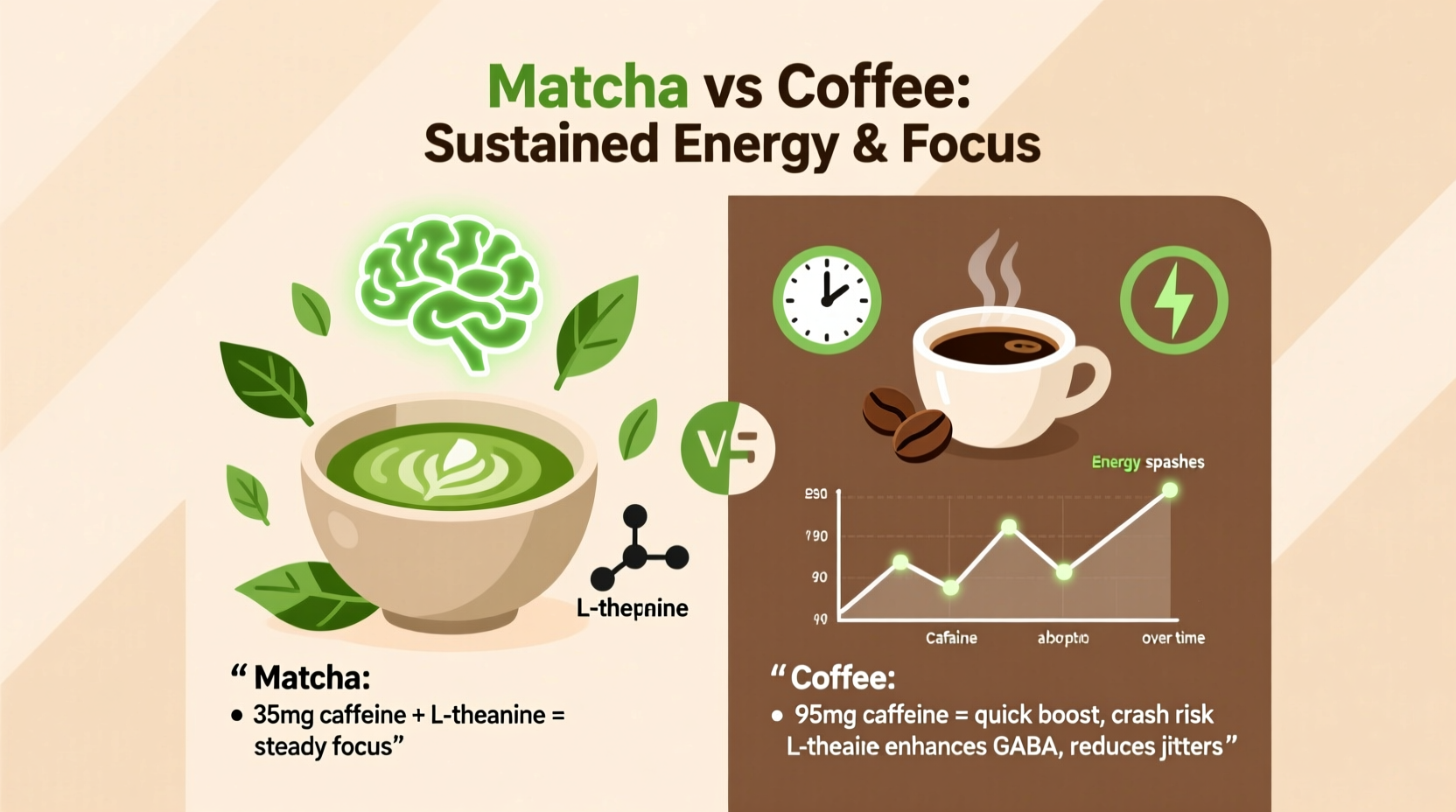
The hum of the modern world is a relentless symphony of demands. Notifications ping, deadlines loom, and the sheer volume of information vying for our attention can feel like a torrential downpour. In this landscape, the quest for peak cognitive function isn’t a luxury; it’s a necessity for survival, for thriving, for simply keeping pace. For decades, the ubiquitous dark brew, coffee, has been our steadfast companion in this endeavor, a jolt of instant alertness, a fierce declaration against the creeping tendrils of fatigue. Yet, as many of us have experienced, this passionate affair often ends in a familiar crash, a descent into jitters, anxiety, and a profound longing for the next caffeine fix.
But what if there was another way? A path to mental clarity and sustained energy that didn’t demand such a steep toll? A quiet revolution in a cup, whispering promises of focused calm rather than frenetic energy? This is the story of matcha, the vibrant green elixir that is steadily moving beyond its ceremonial roots to become a cornerstone of modern cognitive enhancement. It’s a story not of immediate explosions of energy, but of a gentle, persistent ascent to sustained cognitive function, a journey "beyond the caffeine" into a realm of balanced alertness and profound mental well-being.
The Modern Mind’s Marathon: A Search for Sustainable Fuel
Our brains, these magnificent three-pound universes, are under unprecedented strain. The digital age, with its relentless stream of data, multitasking demands, and constant connectivity, has rewired our cognitive landscape. We are expected to be perpetually "on," to process information at lightning speed, to innovate, create, and communicate without missing a beat. This constant pressure leads to a phenomenon many of us know intimately: mental fatigue, brain fog, and a pervasive sense of being overwhelmed.
To combat this, we often turn to quick fixes. Sugar highs provide fleeting bursts of glucose, but crash just as quickly. Energy drinks offer a cocktail of stimulants, often leaving us feeling wired and restless. And then there is coffee, the undisputed king of morning rituals and afternoon pick-me-ups.
Coffee’s mechanism is elegant in its simplicity: caffeine, its primary psychoactive compound, acts as an adenosine receptor antagonist. Adenosine is a neurotransmitter that builds up in the brain throughout the day, signaling fatigue and promoting sleepiness. By blocking these receptors, caffeine effectively puts a temporary halt on the "tired" signal, tricking our brains into feeling more alert. It also stimulates the release of dopamine, a neurotransmitter associated with pleasure and motivation, giving us that characteristic "buzz" and sense of heightened focus.
For a sprint, this is incredibly effective. For a brief period of intense concentration or an urgent task, coffee delivers. But the sustained demands of modern cognitive work require a marathon runner, not a sprinter. The problem with coffee’s energetic surge is its inherent volatility. As caffeine wears off, the accumulated adenosine floods back into the receptors, often leading to an even deeper sense of fatigue – the dreaded "caffeine crash." This rollercoaster of highs and lows can contribute to irritability, anxiety, and a diminished capacity for sustained, deep work. It’s a reliance on an external stimulant that often leaves our adrenal glands fatigued and our nervous systems frayed.
Many discerning individuals, sensitive to these peaks and valleys, have begun to seek alternatives. They crave not just alertness, but clarity. Not just energy, but endurance. They desire a cognitive state that is calm yet focused, energized yet grounded. And this is where the story of matcha truly begins to unfold.
Enter Matcha: A Timeless Elixir Reimagined
Matcha is not merely a tea; it is an experience, a ritual, and a potent botanical ally. Originating in ancient China and perfected in Japan, matcha holds a revered place in Zen Buddhist culture, where it was consumed by monks to aid in meditation – to achieve a state of relaxed alertness that could last for hours. This historical context alone offers a powerful clue to its unique cognitive benefits: it was designed not for frenetic energy, but for serene focus.
What precisely is matcha? It is a finely ground powder made from specially cultivated green tea leaves. Unlike traditional brewed teas, where the leaves are steeped and discarded, with matcha, you consume the entire tea leaf. This fundamental difference is key to understanding its profound impact.
The cultivation process itself is a crucial factor. Weeks before harvest, matcha tea bushes are shaded from direct sunlight. This shade-growing technique dramatically boosts the production of chlorophyll, giving matcha its vibrant emerald green color, and, more importantly for our cognitive journey, it increases the concentration of certain amino acids, particularly L-theanine. After harvest, the leaves are destemmed and deveined, then stone-ground into a delicate, luminous powder. This meticulous process preserves the leaf’s full spectrum of nutrients, antioxidants, and psychoactive compounds, creating a superfood that is unparalleled in its richness.
When you whisk matcha into hot water, you are not merely brewing a beverage; you are unlocking a holistic botanical synergy, a complex interplay of compounds that work together to produce a cognitive experience far superior to a simple caffeine hit.
The Symphony of Compounds: Decoding Matcha’s Cognitive Magic
The true genius of matcha lies not in a single ingredient, but in the intricate dance of its constituents. While it does contain caffeine, its interaction with other powerful compounds creates an entirely different physiological response, one that underpins its ability to support sustained cognitive function.
Caffeine: The Familiar Player, Reimagined
Yes, matcha contains caffeine. Typically, a standard serving (1-2 grams) of matcha contains between 30-70 mg of caffeine, comparable to a light cup of coffee or a strong cup of green tea. However, the experience of matcha caffeine is markedly different. This is largely due to the presence of L-theanine.
The L-theanine in matcha slows down the absorption of caffeine into the bloodstream. Instead of a sudden spike and subsequent crash, the caffeine is released gradually over several hours. This extended release creates a smoother, more prolonged alertness, devoid of the jarring jitters or anxiety often associated with coffee. It’s like switching from a sudden, bright flashbulb to a steady, illuminating lamp. This modulated caffeine delivery is the first crucial step towards sustained cognitive function.
L-Theanine: The Star Performer and Zen Master
If caffeine is the familiar engine, L-theanine is the sophisticated governor, orchestrating a smooth and efficient ride. L-theanine is a unique amino acid found almost exclusively in tea plants, and its concentration is significantly higher in shade-grown matcha. This remarkable compound is the secret behind matcha’s ability to induce a state of "relaxed alertness."
Once ingested, L-theanine readily crosses the blood-brain barrier, directly influencing brain activity. Its primary mechanism involves stimulating the production of alpha brain waves. Alpha waves are associated with a state of wakeful relaxation, often experienced during meditation, daydreaming, or creative flow states. Unlike the frantic beta waves linked to intense focus and stress, alpha waves signify a calm, clear mind that is receptive and alert without being overstimulated. This is precisely the state Zen monks sought to achieve.
Beyond alpha wave induction, L-theanine also modulates key neurotransmitters. It can increase levels of GABA (gamma-aminobutyric acid), an inhibitory neurotransmitter that promotes relaxation and reduces anxiety. It also influences dopamine and serotonin, neurotransmitters that regulate mood, motivation, and pleasure. By balancing these neurochemicals, L-theanine contributes to a sense of calm well-being, mitigating the potential negative side effects of caffeine, such as nervousness or irritability.
The synergy between caffeine and L-theanine is truly where matcha shines. Caffeine provides the initial boost in alertness, while L-theanine smooths out the edges, enhancing focus, reducing distraction, and preventing the "jittery" feeling. The result is a sustained state of focused calm, where the mind feels sharp, clear, and capable of prolonged concentration without succumbing to stress or fatigue. This isn’t just about being awake; it’s about being present and effective.
Catechins, Especially EGCG: The Antioxidant Army and Neuroprotectors
Matcha is incredibly rich in a class of antioxidants called catechins, particularly epigallocatechin gallate (EGCG). Because you consume the entire tea leaf, matcha delivers a far higher concentration of EGCG than regular green tea – up to 137 times more, according to some analyses.
EGCG is a potent free radical scavenger. In the context of cognitive function, this is incredibly significant. Our brains are highly susceptible to oxidative stress, a process caused by an imbalance between free radicals and antioxidants. Oxidative stress can damage brain cells, accelerate aging, and contribute to neurodegenerative diseases. By neutralizing free radicals, EGCG acts as a powerful neuroprotective agent, safeguarding brain health and potentially slowing down age-related cognitive decline.
Furthermore, EGCG has demonstrated anti-inflammatory properties. Chronic low-grade inflammation in the brain (neuroinflammation) is increasingly linked to cognitive impairment and various neurological disorders. By reducing inflammation, EGCG helps maintain a healthier brain environment, optimizing its function.
Perhaps most exciting for the concept of sustained cognitive function is EGCG’s potential role in neurogenesis and neuroplasticity. Research suggests that EGCG may promote the production of Brain-Derived Neurotrophic Factor (BDNF). BDNF is a crucial protein that supports the survival of existing neurons, encourages the growth of new neurons (neurogenesis), and facilitates synaptic plasticity – the brain’s ability to form and reorganize synaptic connections. In simpler terms, BDNF is vital for learning, memory, and overall brain health. By potentially boosting BDNF, matcha offers a long-term investment in cognitive vitality, enhancing the brain’s capacity for adaptation and resilience.
Beyond its direct effects on brain cells, EGCG also contributes to cardiovascular health by promoting healthy blood flow. A well-oxygenated brain is a high-performing brain, and improved cerebral blood flow ensures that neurons receive a steady supply of oxygen and nutrients, further supporting sustained cognitive function.


Post Comment