From Roots to Petals: The Surprising Nutritional Profile of Edible Flowers
We live in a world that often compartmentalizes beauty and utility. Flowers, with their ephemeral grace, vibrant hues, and intoxicating fragrances, are almost universally relegated to the realm of aesthetics. They adorn our gardens, brighten our homes, symbolize love and sorrow, and inspire poets. Yet, for centuries, perhaps millennia, humanity understood a secret that modern society has largely forgotten: many of these exquisite botanical creations are not just a feast for the eyes, but a potent source of nutrition, a vibrant pharmacy, and a subtle culinary delight.
The journey from roots to petals, often unseen, is one of incredible biological alchemy. From the deep earth, through stem and leaf, a flower draws up nutrients, synthesizes complex organic compounds, and concentrates them in its delicate, often brightly colored, reproductive organs. To dismiss them as mere garnish is to overlook a profound nutritional story, a narrative that whispers of ancient wisdom, scientific revelation, and a future where our plates are as beautiful as they are nourishing.
This is the story of edible flowers – a journey to rediscover their surprising nutritional profile, unraveling the science behind their vibrant pigments and potent compounds, and embracing their potential to transform our relationship with food.
The Forgotten Legacy: A Taste of History
Our modern disconnect from edible flowers is a relatively recent phenomenon, a casualty of industrial agriculture and a simplified food system. Go back in time, and you’ll find that flowers were an integral part of human diets across cultures and continents.
Imagine a Roman feast, where rose petals floated in wine and adorned roasted meats, not just for their beauty, but for their delicate fragrance and subtle flavour, believed to aid digestion. Think of ancient Chinese medicine, where chrysanthemums were brewed into teas for their cooling properties, and honeysuckle was used for its purported anti-inflammatory effects. The Indigenous peoples of the Americas incorporated squash blossoms, dandelions, and various wild flowers into their daily sustenance, recognizing their medicinal and nutritional value. In medieval Europe, violets candied and strewn over desserts were not just a sweet treat but a source of vitamins, while borage flowers were added to salads and drinks for their refreshing, cucumber-like taste and health benefits.
This historical tapestry reveals a deep, intuitive understanding of nature’s bounty. People ate flowers because they tasted good, because they looked beautiful, and, crucially, because they made them feel better. They observed, experimented, and passed down knowledge through generations, forging a profound connection between the garden and the apothecary. The shift away from this holistic perspective began with the agricultural revolution, intensifying with industrialization, which prioritized calorie density, shelf life, and mass production over biodiversity and nutrient richness. Flowers, deemed non-essential, faded from the plate and into the realm of pure ornament.
But the petals held their secrets, patiently waiting for rediscovery.
Nature’s Pharmacy in Full Bloom: The Nutritional Core
The "surprise" in the nutritional profile of edible flowers isn’t just that they contain vitamins and minerals – though many do. It’s the remarkable concentration and diversity of phytonutrients – the complex plant compounds that provide their vibrant colors, distinct aromas, and potent health benefits. These are the unsung heroes, often working synergistically to protect the plant itself and, when consumed, to bolster human health.
Let’s delve into the core components that make flowers miniature nutritional powerhouses:
-
Polyphenols (Flavonoids, Anthocyanins, Phenolic Acids): The Antioxidant Army
- This is perhaps the most significant group of compounds in edible flowers. Polyphenols are powerful antioxidants, meaning they combat oxidative stress in the body by neutralizing unstable molecules called free radicals. Oxidative stress is implicated in chronic diseases like heart disease, cancer, neurodegenerative disorders, and premature aging.
- Flavonoids: A vast subgroup of polyphenols, flavonoids are responsible for many of the yellow, orange, and red pigments in flowers. Quercetin, kaempferol, and myricetin are common examples. They possess anti-inflammatory, antiviral, and anti-carcinogenic properties.
- Anthocyanins: These give flowers their stunning blue, purple, and deep red hues. Think of the rich color of pansies, violets, or hibiscus. Anthocyanins are particularly potent antioxidants and have been linked to improved cardiovascular health, enhanced cognitive function, and reduced risk of certain cancers. Their vibrant colors are often an indicator of their high antioxidant capacity.
- Phenolic Acids: Caffeic acid, ferulic acid, and gallic acid are examples found in many flowers. They also contribute to antioxidant and anti-inflammatory effects.
-
Carotenoids: Vision, Immunity, and Vibrant Hues
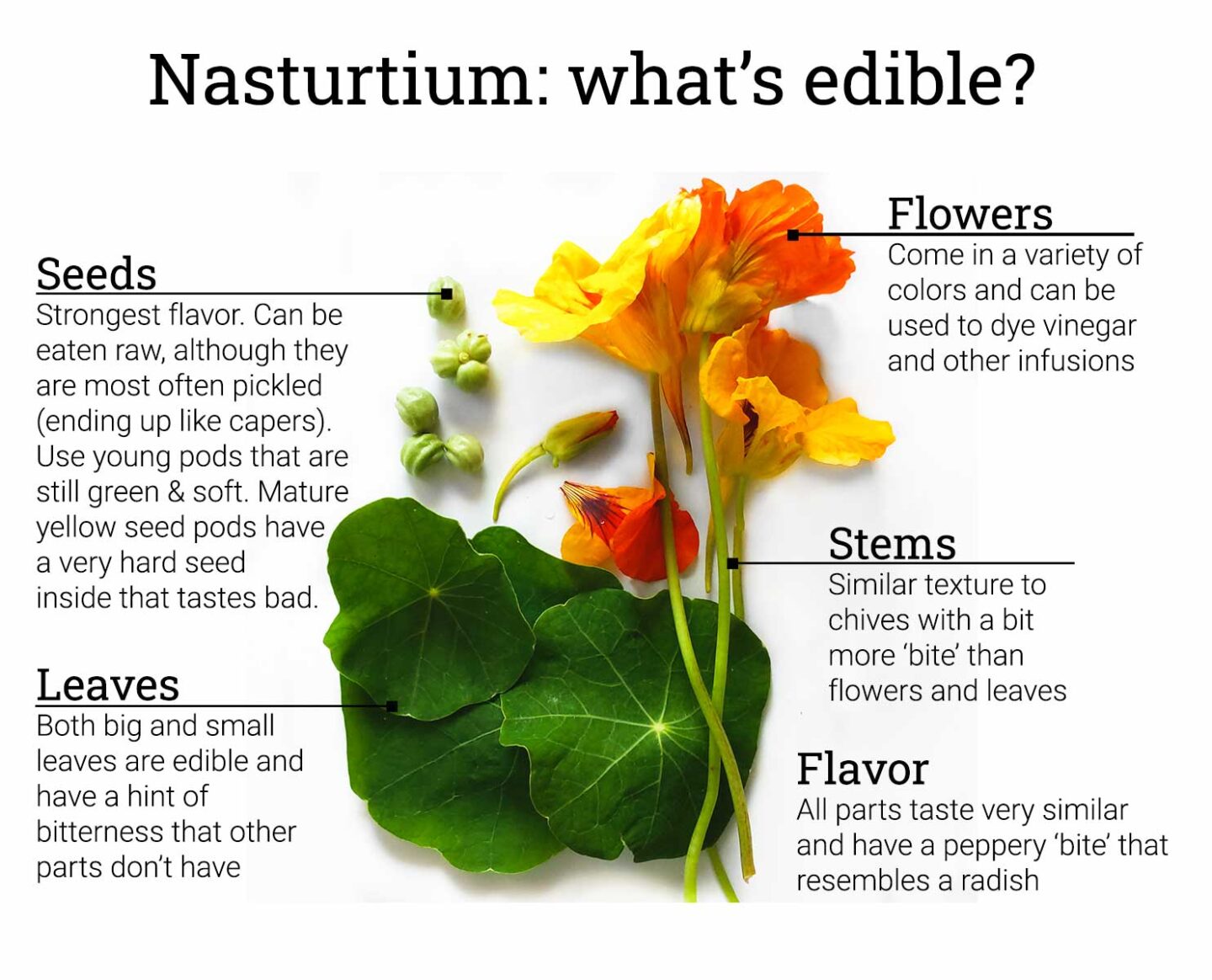
- The brilliant yellows and oranges of calendula, nasturtiums, and dandelion petals are largely due to carotenoids. These pigments are vital for plant photosynthesis and act as antioxidants.
- Beta-carotene: A precursor to Vitamin A, essential for vision, immune function, and skin health.
- Lutein and Zeaxanthin: These two carotenoids are particularly important for eye health, accumulating in the retina where they protect against age-related macular degeneration and cataracts.
- Carotenoids are fat-soluble, meaning they are best absorbed when consumed with a small amount of fat.


Post Comment