The Emerald Whisper: Unearthing Pandan’s Ancient Secret for Joint Health and Arthritis
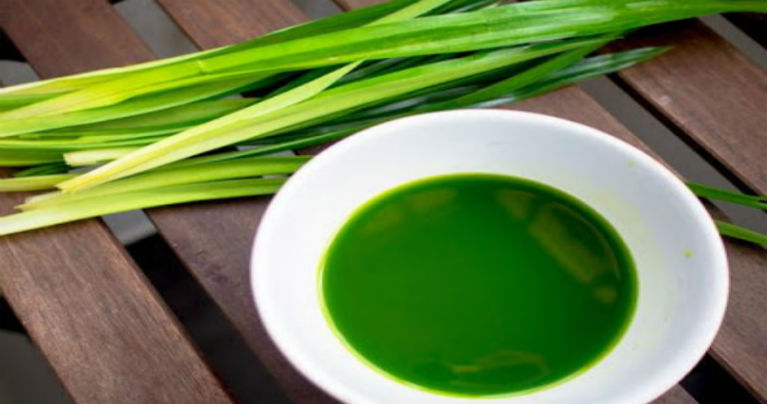
In the vibrant tapestry of Southeast Asia, where emerald landscapes meet turquoise seas, there exists a botanical treasure whose very essence permeates the air with a sweet, elusive fragrance. It is the humble Pandan, Pandanus amaryllifolius, a plant often relegated to the culinary realm, lending its signature aroma to rice, desserts, and savory dishes. Yet, beneath its verdant blades and subtle charm lies a deeper story, a narrative whispered through generations of traditional healers and folk practitioners: Pandan as a powerful ally in the battle against pain, particularly the insidious grip of joint discomfort and arthritis.
Imagine, for a moment, the agony of chronic joint pain – the stiff mornings, the grinding ache with every movement, the relentless erosion of independence and joy. It is a reality for millions worldwide, a condition that transcends geographical boundaries and socioeconomic status. While modern medicine offers a formidable arsenal of treatments, the quest for natural, holistic, and gentle remedies continues, a search often leading back to the wisdom embedded in ancient traditions. It is here that Pandan emerges from the shadows of the kitchen, stepping into the spotlight as a potential balm for weary joints, a green whisper of hope from nature’s own apothecary.
This is not merely a botanical exposé; it is an invitation to journey. We will delve into the heart of Pandan’s mystique, tracing its cultural roots, exploring the ethnobotanical wisdom that first recognized its healing potential, and then, with the inquisitive lens of modern science, attempting to decipher the complex chemistry that might underpin its traditional efficacy. We will explore how this unassuming plant, so familiar in the kitchen, could hold keys to unlocking relief from inflammation and pain, offering a complementary path towards greater comfort and mobility for those grappling with arthritis and other joint ailments. Our audience is knowledgeable, curious, and open to the rich dialogue between ancestral lore and contemporary understanding – a dialogue where the emerald whisper of Pandan might just hold profound answers.
The Emerald Jewel: A Cultural Tapestry Woven with Fragrance and Purpose
Before we explore its medicinal properties, it is essential to understand Pandan’s profound cultural significance. Pandanus amaryllifolius, often simply called Pandan, is a tropical plant belonging to the screwpine family. Its long, slender, blade-like leaves, arranged in a spiral fashion around a central stem, give it a distinctive appearance. While some species of Pandanus grow into large trees with edible fruits (like the Tahitian Pandan, Pandanus tectorius), P. amaryllifolius is cultivated primarily for its aromatic leaves.
For centuries, Pandan has been an indispensable part of Southeast Asian life. Its aroma, often described as a complex blend of vanilla, nuts, fresh-cut grass, and a hint of coconut, is instantly recognizable and deeply comforting. In the bustling markets of Bangkok, the serene homes of Jakarta, or the vibrant streets of Manila, the scent of Pandan is ubiquitous. It transforms ordinary rice into a fragrant masterpiece, infuses desserts like kueh lapis and buko pandan with an ethereal taste, and lends a unique depth to savory curries and stews. Beyond its culinary prowess, Pandan leaves are often used to wrap foods, imparting flavor while acting as natural packaging. They are woven into intricate baskets, used as natural air fresheners in homes and cars, and even strung into garlands for ceremonies and offerings, signifying purity and auspiciousness.
But Pandan’s utility extends far beyond the plate and the decorative. Generations before laboratory analyses and clinical trials, the people of Southeast Asia recognized the plant’s diverse therapeutic attributes. It was a common sight to see Pandan leaves steeped in hot water to make a soothing tea for fever or used in poultices for minor cuts and skin irritations. Its insect-repelling properties made it a natural defense against mosquitoes, and its gentle nature made it suitable for children. This extensive traditional knowledge base, passed down through oral traditions and practical application, laid the groundwork for its recognition as a plant with significant medicinal potential. It is within this rich cultural tapestry, where food, medicine, and daily life are interwoven, that we begin to uncover Pandan’s role as a traditional remedy for aches, pains, and particularly, the chronic burden of inflammation and joint disease. The widespread and varied uses of Pandan speak volumes about the deep trust and empirical observation that its cultivators and users have held for this remarkable plant throughout history.
The Whispers of Ancestors: Traditional Uses for Pain and Inflammation
The journey into Pandan’s medicinal heritage for pain and joint health begins not in scientific journals, but in the collective memory of indigenous communities and the practices of traditional healers. Across the diverse cultures of Southeast Asia – from the Philippines to Thailand, Indonesia to Malaysia, and Vietnam – Pandan has been revered as more than just a culinary herb; it has been a trusted component of their traditional pharmacopoeias, particularly for ailments involving pain, inflammation, and stiffness.
One of the most common traditional applications of Pandan for musculoskeletal pain involved its use as a topical compress or poultice. Fresh Pandan leaves were often crushed or pounded to release their juices and active compounds. This pulp, sometimes warmed, would then be applied directly to swollen, aching joints – knees, elbows, shoulders, or wrists – and held in place with a cloth. The belief was that the plant’s essences would penetrate the skin, drawing out inflammation and easing the pain. This method was frequently employed for conditions akin to what we now recognize as arthritis, rheumatism, sprains, and general muscle aches. The cooling sensation often reported upon application was attributed to its ability to reduce localized heat associated with inflammation.
Another prevalent method was the Pandan herbal bath. For full-body aches, stiffness, or widespread rheumatic pain, large quantities of Pandan leaves would be boiled in water. The resulting fragrant infusion would then be added to bathwater. Soaking in this warm, aromatic bath was believed to relax muscles, alleviate stiffness, and promote circulation, thereby reducing overall body discomfort. This holistic approach recognized that pain often extends beyond a single joint, impacting the entire body’s well-being. The warmth of the bath itself would have a therapeutic effect, but the Pandan infusion was thought to amplify the pain-relieving and anti-inflammatory benefits.
For internal relief, Pandan decoctions or teas were frequently consumed. Dried or fresh Pandan leaves would be simmered in water for an extended period, creating a concentrated brew. This tea was ingested for a variety of internal ailments, including fever, but also specifically for general body aches, back pain, and as a supportive tonic for chronic conditions that caused internal inflammation. The belief was that by consuming the plant’s compounds, its healing properties would work systemically to combat inflammation and pain from within. While perhaps not directly targeting a specific joint, a reduction in systemic inflammation could indirectly alleviate arthritic symptoms.
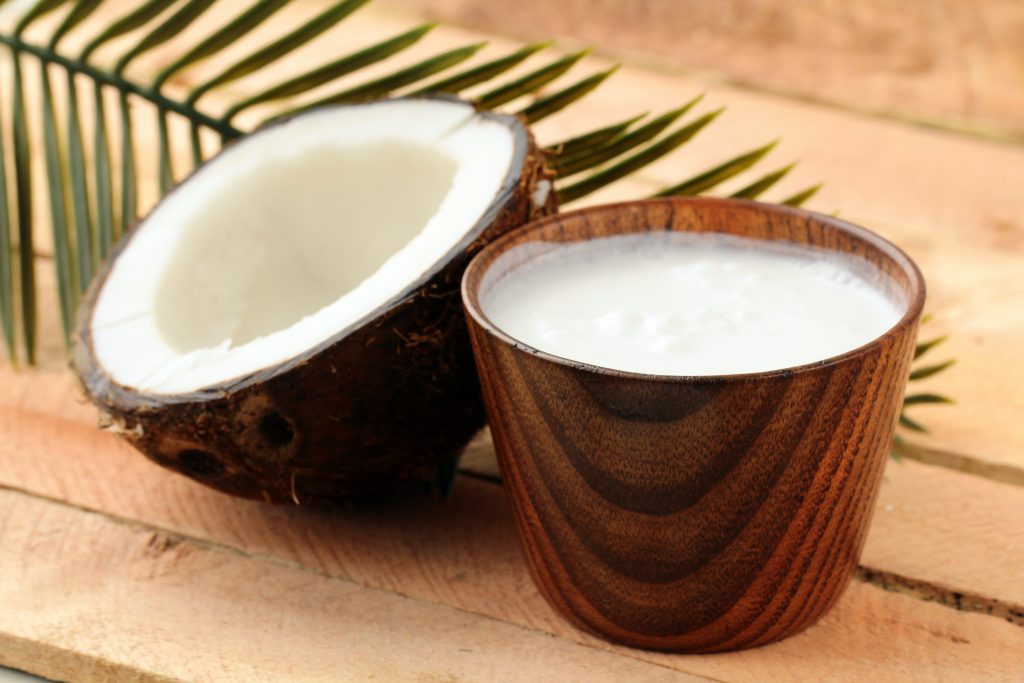
Furthermore, Pandan-infused oils were sometimes prepared for topical massage. Leaves would be gently heated in a base oil (like coconut oil) to extract their compounds. This infused oil would then be massaged into painful areas, providing both the physical benefits of massage and the therapeutic effects of the plant compounds. This method was particularly favored for chronic conditions where sustained relief and improved mobility were desired.
The wisdom behind these practices was not based on modern scientific understanding of chemical compounds, but on keen observation, trial and error, and an intimate understanding of the natural world. Traditional healers, often elders in their communities, observed that individuals who used Pandan in these ways reported significant relief. They understood that plants possessed inherent healing powers, and through generations of careful practice, they refined their methods, passing down invaluable knowledge. This ethnobotanical perspective highlights a holistic approach to healing, where the plant is seen as an integral part of a larger ecosystem of well-being, addressing not just the symptom of pain, but supporting the body’s innate capacity for balance and recovery. It is this ancestral whisper, this legacy of traditional use, that serves as the profound foundation for modern scientific inquiry into Pandan’s potential as a powerful remedy for joint health and arthritis.
Unveiling the Mechanisms: The Science Behind the Soothe
The transition from traditional wisdom to scientific understanding is a journey of meticulous investigation, aiming to decode the complex biological language of plants. For Pandan, this journey is ongoing, but nascent scientific exploration has begun to shed light on the potential mechanisms by which it may exert its anti-inflammatory and pain-relieving effects, validating the ancestral whispers. The key lies within its rich phytochemical profile – a veritable arsenal of bioactive compounds working in concert.
At the heart of Pandan’s therapeutic potential are several classes of phytochemicals:
- Alkaloids: These nitrogen-containing organic compounds are often potent pharmacologically. While research on specific Pandan alkaloids like pandamarine is still emerging, alkaloids in other plants are known for their analgesic (pain-relieving) and anti-inflammatory properties, often interacting with neurotransmitter systems or modulating pain pathways.
- Glycosides: These compounds consist of a sugar molecule linked to another non-sugar molecule. Many plant glycosides exhibit anti-inflammatory activity, influencing cellular signaling pathways involved in immune responses and inflammation.
- Flavonoids: A diverse group of plant pigments, flavonoids are renowned for their powerful antioxidant and anti-inflammatory capabilities. Pandan contains various flavonoids, including derivatives of quercetin and kaempferol. These compounds work by scavenging free radicals, which are unstable molecules that contribute to oxidative stress and cellular damage, a key driver of chronic inflammation in conditions like arthritis. Furthermore, flavonoids can inhibit enzymes involved in inflammatory pathways, such as cyclooxygenase (COX) and lipoxygenase (LOX), similar to how non-steroidal anti-inflammatory drugs (NSAIDs) work, albeit typically with a milder effect and fewer side effects.
- Phenolic Compounds: Beyond flavonoids, Pandan is rich in other phenolic acids and compounds. These also contribute significantly to its antioxidant capacity, protecting cells from damage and reducing the inflammatory cascade initiated by oxidative stress.
- Terpenoids and Volatile Compounds: These are largely responsible for Pandan’s distinctive aroma. While often associated with fragrance, many terpenoids also possess significant biological activities, including anti-inflammatory and antimicrobial effects. Some volatile compounds can also act as mild analgesics or muscle relaxants when inhaled or applied topically.
- Carotenoids: These pigments, while less studied for direct anti-inflammatory roles in Pandan, are potent antioxidants and precursors to Vitamin A, contributing to overall cellular health and immune function.
With this complex cocktail of compounds, the proposed mechanisms of action for Pandan in pain and arthritis management are multifaceted:
- Anti-inflammatory Action: This is perhaps the most significant pathway. The flavonoids and phenolic compounds can modulate the body’s inflammatory response. They may inhibit the production of pro-inflammatory cytokines (such as TNF-alpha, Interleukin-1 beta, and Interleukin-6), which are key mediators in the pathogenesis of arthritis and chronic pain. By dampening these signaling molecules, Pandan could help reduce the swelling, redness, heat, and pain associated with inflammation. Furthermore, as mentioned, inhibition of enzymes like COX-2, which produce inflammatory prostaglandins, is a plausible mechanism.
- Analgesic (Pain-Relieving) Effects: While direct analgesic mechanisms are less elucidated than anti-inflammatory ones, it’s possible that some compounds in Pandan directly interfere with pain signaling pathways in the nervous system. This could be through modulation of opioid receptors (though this is highly speculative and requires rigorous research) or by affecting nerve conduction. More likely, the analgesic effect is secondary to its anti-inflammatory action – by reducing inflammation, the source of pain is diminished.


Post Comment