Calm in a Cup: Using Pandan’s Aromatherapy Properties to Reduce Anxiety
In a world perpetually wired, where the gentle hum of nature is often drowned out by the relentless symphony of notifications, deadlines, and existential dread, the quest for serenity has become a universal human endeavor. Anxiety, a shadow that lengthens with each passing year, grips millions, stealing sleep, peace, and the simple joy of being present. We chase fleeting moments of calm through digital detoxes, mindfulness apps, and increasingly potent pharmaceuticals, often overlooking the profound wisdom embedded in ancient traditions and the quiet power of the natural world.
What if the antidote to our modern malaise wasn’t a complex prescription or a high-tech gadget, but a simple, verdant leaf, steeped in history and fragrant with the promise of tranquility? Enter Pandanus amaryllifolius, commonly known as pandan, the emerald jewel of Southeast Asian kitchens and an unsung hero in the burgeoning narrative of natural wellness. This isn’t merely a tale of a pleasant aroma; it’s an exploration into the deep, often mysterious, connection between scent, memory, emotion, and the profound capacity of nature to soothe the anxious soul. This is the story of "Calm in a Cup," a narrative woven from botanical wonder, ancient practice, and the undeniable power of aromatherapy to restore balance in our overstimulated lives.
The Emerald Jewel: Unveiling Pandan’s Enchantment
To truly appreciate pandan’s potential as an anxiolytic agent, we must first understand its essence. Pandanus amaryllifolius is a tropical plant belonging to the screwpine family, native to Southeast Asia. Visually, it’s unassuming: long, sword-like, bright green leaves that sprout from a central stem, resembling a miniature palm. But its true magic lies in its olfactory signature.
The aroma of pandan is famously difficult to describe, often likened to a delicate fusion of vanilla, nuttiness, freshly cooked basmati rice, and a whisper of green, grassy sweetness. It’s comforting, familiar, yet uniquely exotic – a scent that evokes images of tropical kitchens, bustling markets, and generations of culinary heritage. For those unfamiliar with it, encountering pandan for the first time is often a moment of delightful confusion, a scent that bypasses logic and speaks directly to a primal sense of warmth and well-being.
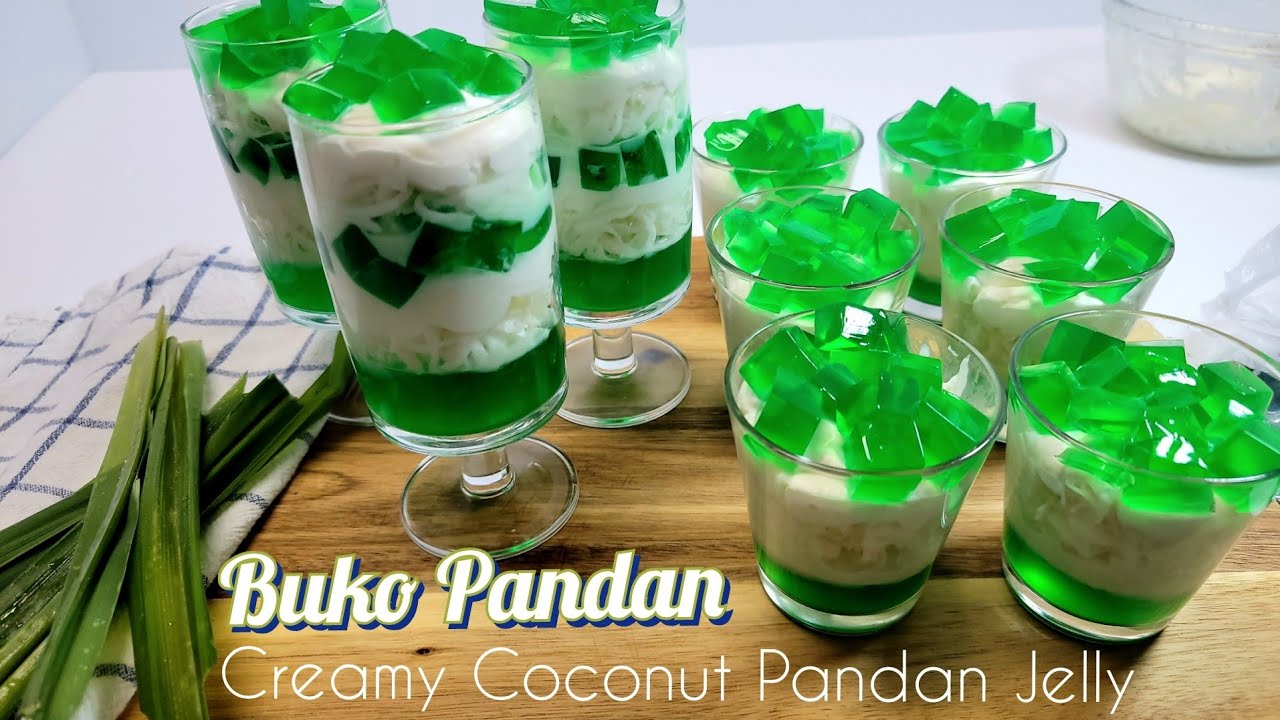
In Southeast Asia, pandan is ubiquitous. It’s the secret ingredient in countless dishes, from fragrant rice and savory curries to vibrant green desserts and refreshing drinks. It lends its distinctive perfume and natural verdant hue to cakes, jellies, and teas. But its utility extends far beyond the culinary realm. Traditionally, pandan leaves have been used as natural air fresheners, insect repellents, and even woven into mats and baskets. This deep integration into daily life means that for many cultures, the scent of pandan is inextricably linked with home, comfort, and security – powerful psychological anchors that are profoundly relevant to the reduction of anxiety.
The Science of Scent: Aromatherapy and the Anxious Brain
Before we delve deeper into pandan’s specific aromatic properties, it’s crucial to understand the fundamental mechanism by which scent impacts our mental and emotional states. This is the realm of aromatherapy, a practice as old as civilization itself, now increasingly validated by modern neuroscience.
When we inhale an aroma, volatile organic compounds (VOCs) carried in the air travel up the nasal cavity, where they encounter millions of olfactory receptor neurons. These neurons translate the chemical signals into electrical impulses, which are then transmitted directly to the olfactory bulb in the brain. Unlike other senses, which route through the thalamus first, the sense of smell has a direct, unfiltered pathway to the limbic system.
The limbic system is the brain’s emotional control center. It includes:
- The Amygdala: Often called the "fear center," it processes emotions, particularly fear and anxiety, and is involved in memory consolidation for emotionally charged events.
- The Hippocampus: Crucial for memory formation and retrieval, especially episodic and spatial memories. This explains why a particular scent can instantly transport us back to a specific time and place.
- The Hypothalamus: Regulates vital functions like heart rate, blood pressure, stress response, and sleep cycles.
This direct connection means that a scent can bypass conscious thought and trigger an immediate physiological and emotional response. Certain aromas can influence the release of neurotransmitters – the brain’s chemical messengers. For instance, some scents can increase gamma-aminobutyric acid (GABA), a neurotransmitter that inhibits nerve activity, leading to feelings of calm and reduced anxiety. Others might boost serotonin, a mood stabilizer, or dopamine, associated with pleasure and motivation.
In the context of anxiety, the limbic system plays a critical role in the "fight-or-flight" response. Chronic stress and anxiety keep this system on high alert, leading to elevated cortisol levels, increased heart rate, and a general state of hyperarousal. Aromatherapy, by influencing the limbic system, can help to modulate this response, shifting the nervous system from a sympathetic (fight-or-flight) dominance to a parasympathetic (rest-and-digest) dominance, thereby promoting relaxation and reducing the physiological symptoms of anxiety.
Pandan’s Aromatic Arsenal: The Chemistry of Calm
Given the powerful influence of scent, the question then becomes: what specific compounds within pandan contribute to its perceived calming effects? While pandan hasn’t been as extensively studied for its anxiolytic properties as, say, lavender or bergamot, emerging research and centuries of anecdotal evidence paint a compelling picture.
The primary volatile compound responsible for pandan’s characteristic aroma is 2-acetyl-1-pyrroline (2-AP). This compound is also found in freshly baked bread, popcorn, and basmati rice, explaining the comforting, warm, and somewhat nutty notes. While 2-AP is largely responsible for the culinary appeal, its psychological impact should not be underestimated. Scents associated with food and warmth often trigger feelings of safety, satiety, and comfort – deeply primal responses that counteract feelings of stress and vulnerability.
Beyond 2-AP, pandan contains a complex array of other volatile compounds, including various terpenes, esters, and aldehydes, albeit in smaller concentrations. While specific anxiolytic compounds unique to pandan are still areas of ongoing scientific exploration, the holistic effect of its unique aromatic profile is what truly matters.
Consider the cumulative sensory experience:
- The Comfort Factor: The "basmati rice" note of 2-AP instantly evokes feelings of home, nourishment, and security. These are powerful antidotes to anxiety, which often thrives in feelings of uncertainty and vulnerability.
- The Freshness Factor: The subtle grassy and green notes contribute a sense of connection to nature, known to reduce stress and improve mood. This botanical freshness can feel invigorating yet grounding.
- The Sweetness Factor: The hint of vanilla-like sweetness offers a gentle, non-cloying pleasantness that can subtly uplift the mood without overstimulation.
It’s not just one isolated compound; it’s the symphony of these aromas that creates pandan’s unique calming signature. This multifaceted aroma engages multiple pathways in the brain, eliciting a complex interplay of comfort, freshness, and gentle upliftment. For a knowledgeable audience, it’s important to acknowledge that direct, double-blind, placebo-controlled studies specifically on pandan’s aromatherapy for anxiety are still nascent compared to more established essential oils. However, the principles of aromatherapy, the known effects of comfort scents, and pandan’s long history of use for general well-being strongly suggest its efficacy through these holistic mechanisms.
Furthermore, the very act of engaging with a natural, subtle aroma like pandan encourages a shift in focus. In an anxious state, our attention is often scattered, hyper-vigilant, or fixated on worries. Concentrating on a delicate, evolving scent provides a gentle anchor, a form of sensory mindfulness that draws us out of rumination and into the present moment.


Post Comment