The Luminous Secret of the Emerald Fruit: How Kiwi’s Vitamin E Unlocks Your Inner Radiance
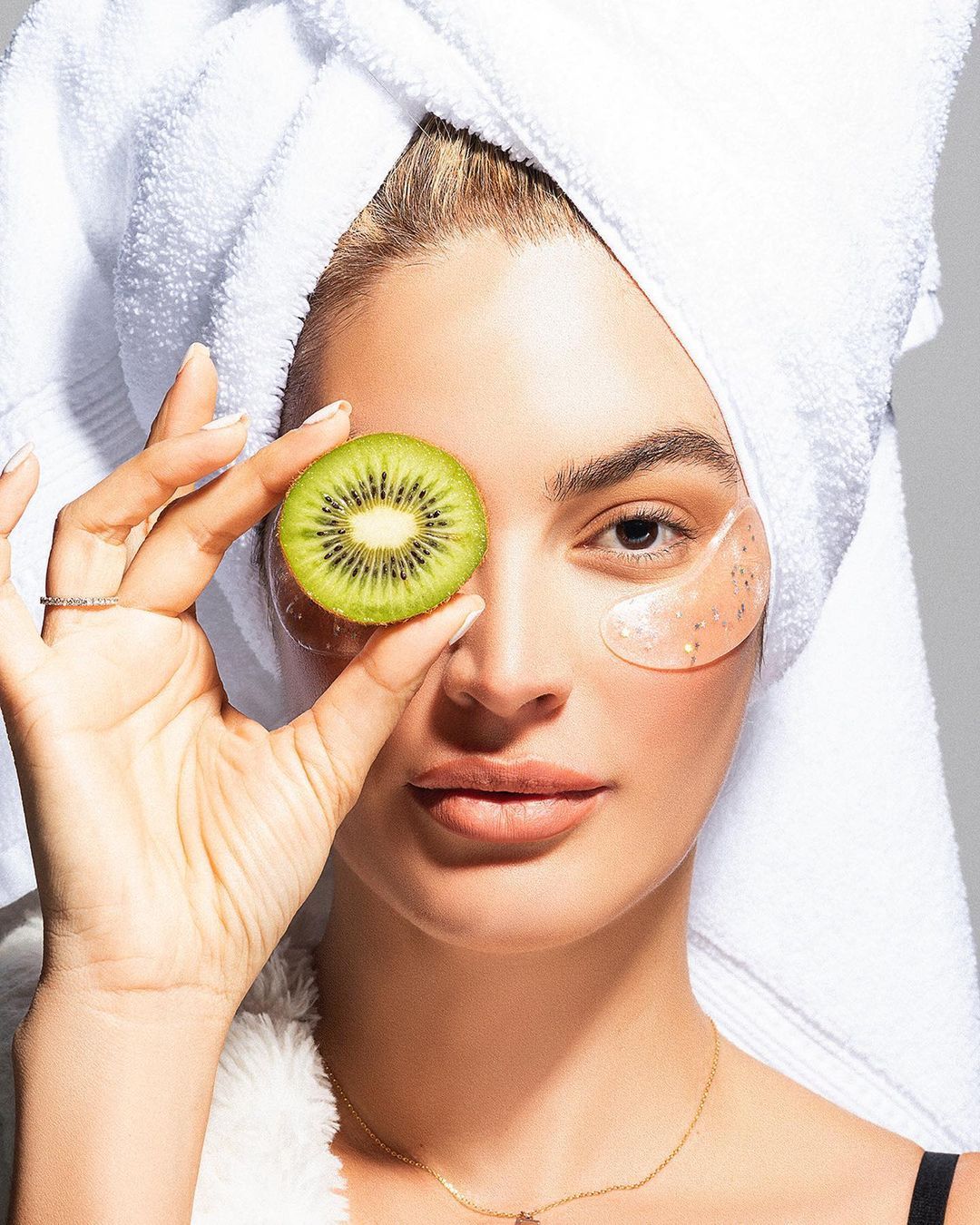
A Tale of Time, Transformation, and the Unassuming Power of Nature
In the relentless march of time, humanity has perpetually sought the elixir of youth, a secret key to unlocking and preserving the ephemeral glow of vitality. From ancient alchemists concocting mythical potions to modern laboratories synthesizing complex compounds, the quest for radiant, resilient skin has been an enduring saga. Yet, often, the most profound answers lie not in obscure rituals or futuristic formulations, but in the unassuming bounty of the natural world, hidden in plain sight. This is the story of one such treasure: the humble kiwi, and its extraordinary capacity, through the power of Vitamin E, to rejuvenate your skin from within, revealing a luminous glow that is truly authentic and deeply rooted.
Imagine a world where your skin tells a story not of wear and tear, but of resilience, renewal, and vibrant health. A story where the delicate balance of nature’s elements — sun, wind, and the very air we breathe — no longer wage a constant war on your complexion, but are instead met with an internal defense system, fortified and ready. This isn’t a fantasy; it’s the potential unleashed by understanding and embracing the intricate relationship between what we nourish our bodies with and how that nourishment translates into tangible, visible beauty. And at the heart of this particular narrative lies a small, fuzzy, emerald-hued fruit, packed with a powerhouse of nutrients, chief among them, the often-underestimated Vitamin E.
For the discerning individual, the knowledgeable seeker of truth beyond superficial claims, the "glow from within" isn’t merely a marketing catchphrase. It represents a holistic philosophy, an understanding that true beauty emanates from a foundation of cellular health, robust physiological function, and a harmonious internal environment. It speaks to the integrity of our biological systems, reflecting outwards as a vibrant complexion, supple texture, and an undeniable luminescence. And to achieve this, we must delve into the intricate dance of micronutrients, environmental stressors, and the body’s innate capacity for repair and regeneration.
Chapter 1: The Invisible Battlefield – Our Skin Under Siege
Our skin, the body’s largest organ, is a magnificent testament to biological engineering. A dynamic, multi-layered shield, it stands as the primary interface between our delicate internal systems and the harsh realities of the external world. Every single day, from the moment we wake until we drift into sleep, our skin is engaged in a silent, relentless battle. It faces an onslaught of environmental aggressors: the pervasive ultraviolet (UV) radiation from the sun, a primary driver of premature aging; the microscopic particulate matter and noxious gases of air pollution, insidious invaders that suffocate and inflame; the omnipresent free radicals, unstable molecules born from metabolic processes and external stressors, wreaking havoc at a cellular level; and even the silent, internal enemies like chronic stress, inadequate sleep, and nutrient-poor diets.
This constant bombardment leads to a cascade of deleterious effects. Collagen and elastin, the very scaffolding that provides skin with its firmness, elasticity, and youthful bounce, are degraded and fragmented. The skin’s natural barrier function, its protective lipid matrix, becomes compromised, leading to increased transepidermal water loss (TEWL) and a dry, dull, more vulnerable complexion. Inflammation flares up, contributing to redness, sensitivity, and accelerating the aging process. Cellular DNA is damaged, increasing the risk of mutations and hindering the skin’s ability to repair itself effectively. The result? A complexion that gradually loses its youthful radiance, succumbs to fine lines, wrinkles, hyperpigmentation, and a general lack of vitality – a far cry from the coveted "glow from within."
For the knowledgeable audience, it’s not enough to simply state these facts; we must understand the mechanism. The central villain in this story is often oxidative stress. Free radicals, with their unpaired electrons, are highly reactive and seek to "steal" electrons from stable molecules in our cells, leading to a chain reaction of damage. This process, akin to rust forming on metal, attacks lipids in cell membranes, proteins (like collagen and elastin), and even DNA. Our bodies possess an intrinsic antioxidant defense system, but under persistent environmental pressure, this system can become overwhelmed, paving the way for accelerated aging and compromised skin health. This is where exogenous antioxidants, like Vitamin E, step onto the scene as vital allies.
Chapter 2: Vitamin E – The Silent Guardian, The Molecular Shield
Vitamin E is not a single compound but a group of eight fat-soluble compounds, primarily divided into two classes: tocopherols and tocotrienols, each with alpha, beta, gamma, and delta forms. Of these, alpha-tocopherol is the most biologically active form in humans and the one most commonly associated with dietary intake and supplementation benefits. Being lipid-soluble, Vitamin E integrates seamlessly into cell membranes, particularly those rich in polyunsaturated fatty acids (PUFAs), which are highly susceptible to oxidative damage. This unique characteristic positions Vitamin E as a front-line defender against free radical attacks, a molecular shield protecting the integrity of our cells.
The story of Vitamin E’s discovery is itself fascinating. Isolated in 1922 by Herbert Evans and Katharine Bishop, it was initially recognized for its role in reproduction (hence "tocopherol," from the Greek "tokos" meaning childbirth and "pherein" meaning to bear). However, its profound antioxidant properties soon became its most celebrated attribute, a revelation that transformed our understanding of cellular protection.
The Mechanics of Protection:
-
Direct Antioxidant Action: Vitamin E’s primary role is that of a potent, chain-breaking antioxidant. When a free radical attempts to attack a lipid molecule in a cell membrane, Vitamin E, nestled within that membrane, sacrifices itself. It donates an electron to the free radical, neutralizing its destructive potential and preventing the chain reaction of lipid peroxidation. In doing so, Vitamin E itself becomes a radical, but it’s a relatively stable, less reactive radical that can then be regenerated back into its active antioxidant form by other antioxidants, most notably Vitamin C. This synergistic relationship is crucial and speaks to the wisdom of consuming a diverse array of nutrients.
-
Photo-protection: UV radiation generates a massive surge of free radicals in the skin, leading to sunburn, DNA damage, and photoaging. Vitamin E, when present in adequate concentrations in the skin, acts as an internal sunscreen, absorbing UV energy and neutralizing the reactive oxygen species (ROS) generated by sun exposure. While not a substitute for topical sunscreen, it provides a vital layer of internal defense, mitigating the damage that inevitably penetrates the skin’s surface. Studies have shown that Vitamin E can reduce the inflammatory response to UV radiation and decrease the formation of sun-induced skin cancers.
-
Anti-inflammatory Effects: Beyond its antioxidant prowess, Vitamin E possesses significant anti-inflammatory properties. Chronic, low-grade inflammation is a silent accelerator of skin aging and a contributing factor to various skin conditions like acne, rosacea, and eczema. Vitamin E can modulate inflammatory pathways, reducing the production of pro-inflammatory cytokines and enzymes. By calming this internal fire, it helps to preserve the skin’s structural integrity and promote a more even, serene complexion.
-
Moisture Barrier Reinforcement: A healthy skin barrier is paramount for a "glow from within." It prevents excessive water loss and blocks the entry of irritants and pathogens. Vitamin E contributes to the structural integrity of cell membranes, which are fundamental components of the skin barrier. By protecting these membranes from oxidative damage, it helps maintain their fluidity and function, thereby strengthening the skin’s natural barrier. This leads to improved hydration, reduced dryness, and a plumper, more resilient skin surface that reflects light more uniformly, contributing to the coveted glow.
-
Wound Healing and Scar Reduction (with nuance): While the evidence is somewhat mixed regarding topical Vitamin E’s effect on existing scars, its role in the initial stages of wound healing is well-documented. By reducing oxidative stress in the wound bed and supporting the formation of healthy granulation tissue, Vitamin E can contribute to more efficient healing. It aids in the production of new skin cells and helps maintain the integrity of newly formed tissue. For a knowledgeable audience, it’s important to note that direct application to established scars might not yield dramatic results, but its systemic intake supports the overall regenerative capacity of the skin.


Post Comment