The Anti-Aging Power of Carotenoids: Why Kiwi is a Must for Longevity
The Unending Quest for Time: A Human Story
From the ancient myths of elixirs of immortality to the modern marvels of medical science, humanity’s fascination with extending life, and more importantly, extending youthful life, remains an enduring saga. We seek not merely to exist longer, but to live vibrantly, with our minds sharp, our bodies capable, and our spirits undimmed. This universal yearning underscores a fundamental truth: aging, while inevitable, is also profoundly influenced by the choices we make daily. Among the most potent and accessible tools in our longevity arsenal is the food we consume, a narrative often overlooked in its simplicity, yet profoundly impactful in its complexity.
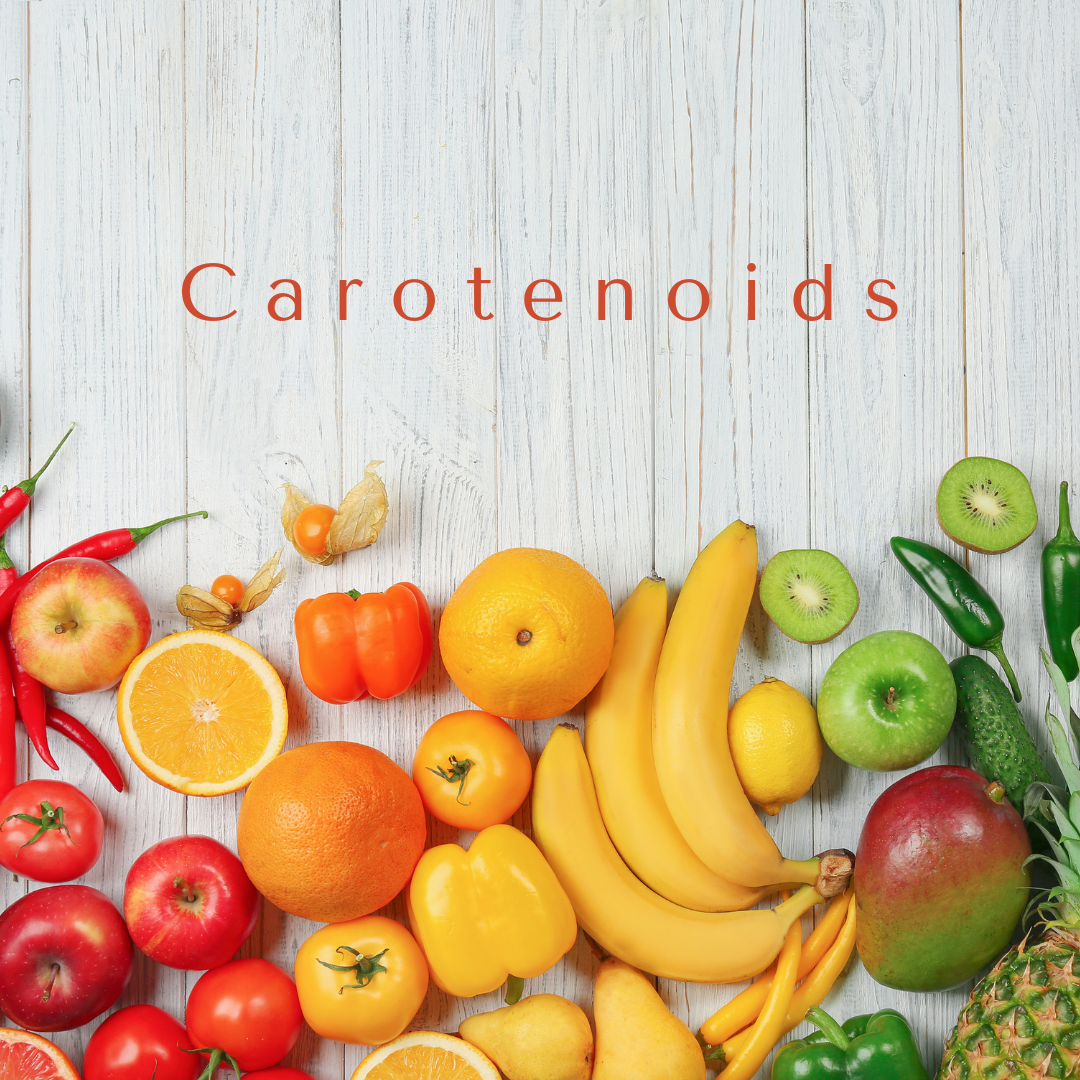
At the heart of this dietary narrative lies a fascinating class of plant pigments known as carotenoids. These vibrant compounds, responsible for the fiery reds of tomatoes, the sunny yellows of corn, and the deep greens of spinach, are far more than mere aesthetic enhancers. They are nature’s silent guardians, wielding formidable power against the relentless march of cellular decline. And within the diverse pantheon of carotenoid-rich foods, one unassuming fruit stands out as a veritable powerhouse, a hidden gem often overshadowed by its flashier cousins: the humble kiwi.
This article delves into the captivating story of carotenoids, unraveling the intricate science behind their anti-aging prowess, and ultimately positioning the kiwi fruit as an indispensable ally in our quest for sustained vitality and longevity. For the knowledgeable reader, this journey will not merely present facts, but weave a compelling narrative of cellular warfare, molecular defense, and the triumphant role of a deceptively simple fruit in shaping our future health.
Chapter 1: The Relentless March of Time – Understanding the Antagonist
To truly appreciate the heroes of our story – the carotenoids – we must first understand the formidable antagonist: the aging process itself. Aging is not a singular event but a complex symphony of interconnected cellular and molecular dysfunctions that accumulate over time. While genetics play a role, environmental factors and lifestyle choices, particularly diet, exert immense influence over the pace and manifestation of this decline.
The primary culprits in the cellular narrative of aging are well-documented:
-
Oxidative Stress: This is perhaps the most widely recognized antagonist. Our bodies, in the very act of living, produce highly reactive molecules called free radicals (or Reactive Oxygen Species – ROS) as byproducts of metabolism. While some free radicals are necessary for cellular signaling, an imbalance between their production and the body’s ability to neutralize them leads to oxidative stress. These rogue molecules indiscriminately attack vital cellular components:
- DNA: Causing mutations that can lead to cancer and impair cellular function.
- Proteins: Leading to misfolding, loss of function, and accumulation of cellular debris.
- Lipids: Particularly those in cell membranes, leading to peroxidation and compromised cellular integrity.
- The cumulative damage from oxidative stress is a cornerstone of age-related diseases, from cardiovascular conditions to neurodegeneration.
-
Chronic Low-Grade Inflammation (Inflammaging): Beyond acute, protective inflammation, a persistent, low-grade systemic inflammation, termed "inflammaging," is a hallmark of aging. This insidious process is driven by various factors, including oxidative stress, accumulation of senescent (zombie) cells, and dysregulated immune responses. Inflammaging contributes significantly to the development and progression of chronic diseases such as atherosclerosis, type 2 diabetes, Alzheimer’s disease, and various cancers. It acts as a silent fire, slowly eroding tissue function and accelerating biological aging.
-
Mitochondrial Dysfunction: Mitochondria, the powerhouses of our cells, become less efficient with age. They produce less ATP (cellular energy) and, paradoxically, generate more ROS, creating a vicious cycle of oxidative damage and energy deficit. This decline impacts virtually every organ system, contributing to fatigue, muscle weakness, and impaired cognitive function.
-
Telomere Shortening: Telomeres are protective caps at the ends of our chromosomes. With each cell division, they shorten. Critically short telomeres signal cells to stop dividing (senescence) or undergo programmed cell death (apoptosis), contributing to tissue degeneration and impaired regeneration.
-
Accumulation of Advanced Glycation End Products (AGEs): These harmful compounds form when sugars react with proteins or fats, leading to cross-linking and stiffening of tissues. AGEs contribute to arterial stiffness, skin wrinkling, and complications in diabetes, further fueling oxidative stress and inflammation.


Post Comment