Sleep, Soothe, and Settle: The Enduring Narrative of Marjoram for Better Rest and Digestion
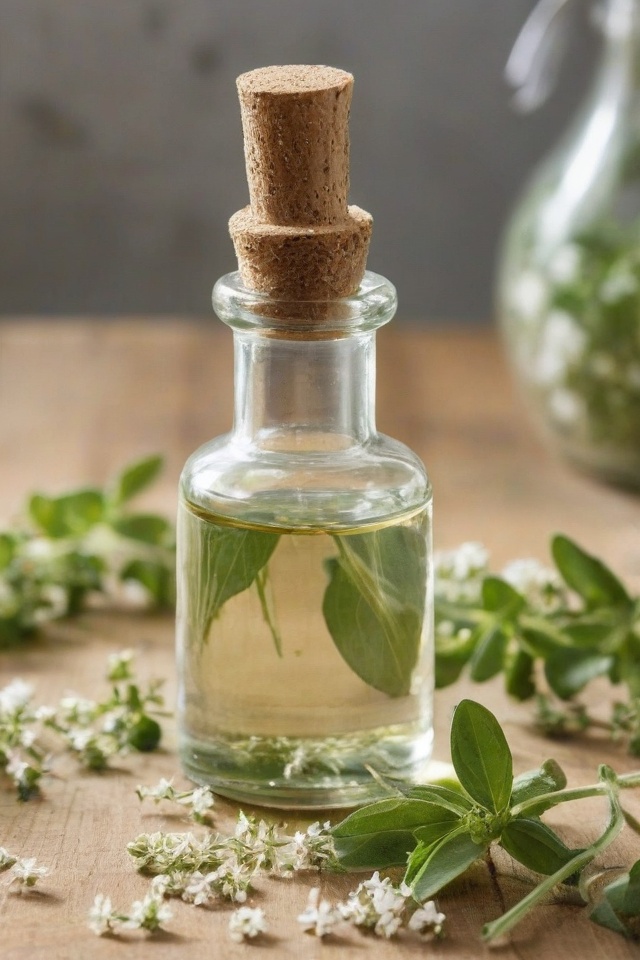
In the tapestry of human existence, few threads are as vital and yet as often frayed as those of restorative sleep and harmonious digestion. Our modern world, with its ceaseless demands and sensory overload, frequently disrupts these fundamental rhythms, leaving many adrift in a sea of sleepless nights and digestive disquiet. Yet, nestled within the verdant embrace of nature, amidst a legacy of ancient wisdom, lies a humble herb whose story intertwines with humanity’s quest for well-being: Marjoram, Origanum majorana. Far more than a culinary accent, Marjoram emerges from the mists of history as a potent botanical ally, a gentle alchemist capable of coaxing the body and mind towards states of profound rest and digestive ease. This article delves into the narrative of Marjoram, exploring its rich history, intricate phytochemistry, and its profound capacity to help us sleep, soothe, and settle.
The Plant’s Pedigree: A Historical Tapestry Woven with Wisdom
Our story begins in the sun-drenched landscapes of the Mediterranean, North Africa, and Southwest Asia, the ancestral home of Origanum majorana. While often confused with its more pungent cousin, oregano (Origanum vulgare), marjoram possesses a distinct and delicate sweetness, a subtlety that hints at its nuanced therapeutic profile. Its very name, derived from the Arabic "marjamie" meaning "incomparable," or perhaps from the Latin "major" signifying "greater," speaks to its revered status across millennia.
To the ancient Egyptians, Marjoram was not merely a herb but a sacred plant, employed in embalming rituals and revered for its medicinal properties. They understood its capacity to soothe, a knowledge etched into their hieroglyphs and practices. The Greeks, however, elevated Marjoram to a realm of myth and passion. They believed it to be a creation of Aphrodite, the goddess of love, who imbued it with her intoxicating aroma. Brides and grooms were adorned with wreaths of marjoram to symbolize love, happiness, and honor, and the herb was often planted on graves to bring peace to the departed. Hippocrates, the father of medicine, recognized its warming, drying, and antiseptic qualities, prescribing it for various ailments, including digestive complaints and respiratory issues.
The Romans, inheriting much of Greek culture, adopted Marjoram with equal fervor. They called it the "joy of the mountains" and cherished its ability to uplift the spirit and calm the nerves. It found its way into their lavish feasts, not just for flavor, but as a preventative measure against indigestion and as a general tonic for well-being. Throughout the Roman Empire, Marjoram was a staple, its presence signifying both luxury and health.
As the Roman Empire waned, the knowledge of Marjoram’s virtues did not. It traversed the Dark Ages within the hallowed walls of monastic gardens, where Benedictine monks meticulously cultivated and documented its uses, preserving ancient wisdom for future generations. By the Middle Ages, Marjoram had firmly established itself in European herbal medicine. It was used to treat colds, coughs, headaches, insomnia, and a spectrum of digestive issues. Its aromatic properties made it popular in "nosegays" to ward off pestilence, and its gentle nature made it a favorite for children’s ailments.
The Renaissance saw a resurgence of interest in classical knowledge, and Marjoram, with its rich historical pedigree, was once again celebrated. Herbalists like Nicholas Culpeper meticulously detailed its applications, further cementing its place in the apothecary and kitchen alike. From the fragrant gardens of antiquity to the monastic cloisters, and eventually into the burgeoning botanical sciences of the modern era, Marjoram’s story is one of enduring utility and profound reverence, a testament to its inherent power to heal and comfort. It is this deep historical narrative that provides the bedrock for understanding its multifaceted benefits, particularly in the realms of sleep and digestion, which we now explore through the lens of modern science.
The Symphony of Scent and Science: Phytochemistry Revealed
To truly understand Marjoram’s therapeutic prowess, we must embark on a journey into its microscopic world, deciphering the complex symphony of compounds that orchestrate its effects. The unassuming leaves and flowering tops of Origanum majorana harbor a rich pharmacopoeia, a blend of volatile essential oils, flavonoids, and phenolic acids that work synergistically to exert its profound impact on human physiology. It is as if nature, with exquisite precision, has crafted a molecular masterpiece designed to restore balance.
At the heart of Marjoram’s efficacy lies its essential oil, a concentrated distillate of its volatile compounds. This oil is a treasure trove of terpenes, alcohols, esters, and phenols, each contributing to its distinctive aroma and therapeutic actions. Key constituents include:
- Terpinen-4-ol: Often considered one of the primary active compounds, this monoterpenol is renowned for its anxiolytic (anxiety-reducing) and mild sedative properties. It is believed to interact with neurotransmitter systems, contributing to relaxation.
- Sabinene: A bicyclic monoterpene, sabinene contributes to Marjoram’s fresh, woody aroma and possesses anti-inflammatory and antioxidant properties.
- Alpha-terpinene and Gamma-terpinene: These monoterpenes are known for their antioxidant and anti-inflammatory activities, which generally support cellular health and reduce systemic stress.
- Linalool: Another monoterpene alcohol, linalool is widely studied for its anxiolytic, sedative, and analgesic effects. It is thought to modulate GABAergic activity in the brain, leading to a calming effect.
- Linalyl acetate: An ester, this compound is particularly noted for its strong sedative and calming properties, often found in other relaxing essential oils like lavender.
- Myrcene: A monoterpene with known analgesic and anti-inflammatory actions, it can also contribute to muscle relaxation.
- Carvacrol and Thymol (in lower concentrations than oregano): These phenolic compounds are potent antimicrobial and antioxidant agents, offering protective benefits to the gut and overall immune system.
Beyond the volatile oils, Marjoram also contains a wealth of flavonoids like apigenin and luteolin, which are powerful antioxidants and possess anti-inflammatory and mild sedative properties. Rosmarinic acid and other phenolic acids further bolster its antioxidant and anti-inflammatory profile.
The magic of these compounds lies in their synergistic interaction. It’s not a single compound acting in isolation, but rather the complex interplay of many, creating an effect greater than the sum of its parts. This phytocomplex directly informs Marjoram’s ability to "sleep, soothe, and settle" through several key mechanisms:
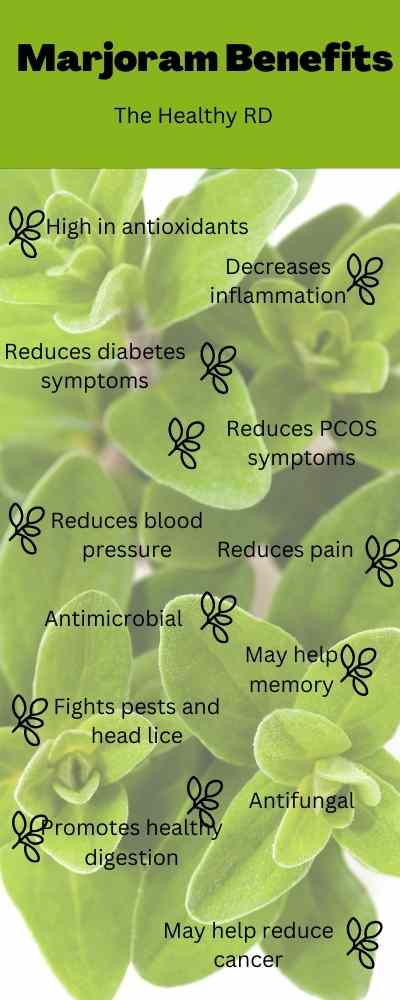
- Nervine and Anxiolytic Action: Compounds like terpinen-4-ol, linalool, and linalyl acetate are believed to interact with the central nervous system, particularly modulating neurotransmitter activity (e.g., GABA pathways). This interaction helps to reduce nervous tension, calm anxiety, and promote a state of relaxation conducive to sleep.
- Spasmolytic and Carminative Effects: The terpenes and other volatile compounds in Marjoram have a direct effect on smooth muscle tissue. They can relax the muscles of the gastrointestinal tract, thereby alleviating spasms, cramps, and reducing the discomfort associated with bloating and gas. This carminative action helps to expel trapped gas and promote smoother digestion.
- Anti-inflammatory and Antioxidant Properties: The flavonoids and phenolic acids, alongside certain terpenes, provide a robust defense against oxidative stress and inflammation throughout the body, including the gut. By reducing inflammation, Marjoram can contribute to a healthier gut lining and alleviate discomfort associated with inflammatory bowel conditions.
- Antimicrobial Activity: Carvacrol, thymol, and other compounds exhibit significant antimicrobial and antifungal properties. This can help to balance gut flora, combat pathogenic microorganisms, and support a healthy digestive microbiome.
The scientific unveiling of Marjoram’s phytochemistry transforms ancient folk wisdom into verifiable mechanisms of action. It provides a molecular explanation for why this unassuming herb has been a trusted ally for centuries, bridging the gap between historical reverence and modern understanding, particularly concerning its profound impact on sleep and digestion.


Post Comment