More Than Flavor: 7 Reasons to Add Marjoram to Your Daily Meals
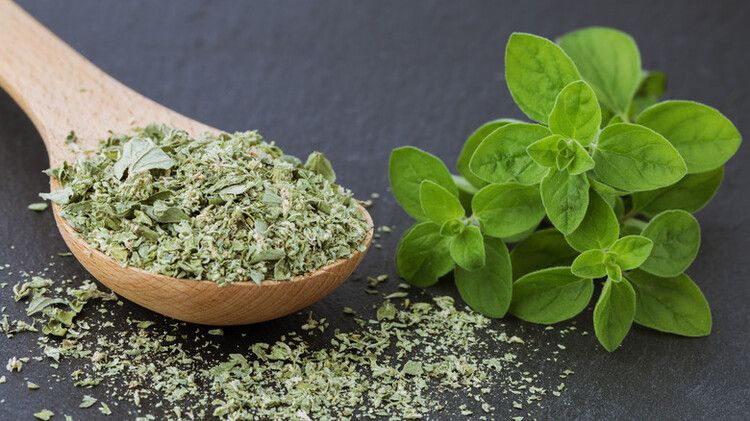
In the vast, verdant tapestry of culinary herbs, some gleam with the immediate recognition of a superstar – basil, oregano, rosemary. Others, however, possess a quiet, unassuming grace, their profound impact often overshadowed by their more flamboyant cousins. Among these unsung heroes resides marjoram, an herb whose delicate appearance belies a formidable array of flavors, aromas, and therapeutic virtues. Often mistaken for its bolder relative, oregano, marjoram offers a softer, sweeter, and more complex aromatic profile, hinting at pine, citrus, and subtle floral notes. It is a whispered secret in many traditional kitchens, a cornerstone of Mediterranean and Middle Eastern cuisines, and a gentle balm in ancient apothecaries.
Yet, in the hustle of modern life, marjoram often finds itself relegated to the back of the spice rack, perhaps pulled out for a specific recipe, but rarely embraced as a daily companion. This, I contend, is a missed opportunity – a culinary and wellness oversight of significant proportions. To truly understand marjoram is to embark on a journey of sensory discovery, peeling back layers of flavor to reveal a powerhouse of health benefits that can profoundly elevate not just your meals, but your overall well-being.
This isn’t merely a list of facts; it’s an invitation to rediscover a humble plant with an extraordinary story. It’s about shifting our perception of an herb from a mere seasoning to a daily ritual, a subtle act of self-care woven into the very fabric of our meals. For the discerning palate and the health-conscious mind, marjoram offers a profound narrative of nourishment, healing, and culinary delight. Let us delve into the depths of this remarkable herb and uncover seven compelling reasons why marjoram deserves a permanent, cherished place in your daily culinary repertoire.
1. The Symphony of Subtle Flavor: Elevating Everyday Cuisine
Before we delve into its impressive health credentials, let’s first acknowledge marjoram’s primary allure: its exquisite flavor. While often overshadowed by the more assertive oregano, marjoram presents a unique and sophisticated palate profile that stands distinctively apart. Imagine a warm, woodsy embrace, intertwined with whispers of pine, a hint of citrusy brightness, and a delicate floral undertone, all culminating in a slightly sweet, almost minty finish. It lacks the pungent kick of oregano, offering instead a gentle complexity that integrates seamlessly rather than dominating.
This nuanced flavor makes marjoram an incredibly versatile herb, capable of transforming mundane dishes into culinary masterpieces with its mere presence. Unlike some herbs that demand center stage, marjoram is a masterful supporting act, enhancing and harmonizing with other ingredients. Picture a simple roast chicken, its skin crisped to golden perfection; a sprinkle of fresh or dried marjoram before roasting infuses the meat with an almost ethereal aroma, elevating it from a weeknight staple to a gourmet experience. It pairs impeccably with poultry, lamb, and pork, its warmth complementing the richness of the meats without overpowering their natural flavors.
Beyond meats, marjoram finds its true calling in vegetable dishes, particularly those featuring tomatoes, zucchini, eggplant, and potatoes. A classic marinara sauce, simmered slowly with a generous pinch of marjoram, develops a depth and sweetness that is simply unparalleled. It brings a comforting earthiness to stews and soups, especially those with root vegetables or legumes. Consider a hearty lentil soup, where marjoram can bridge the savory and the herbaceous, adding a layer of subtle intrigue. Even in lighter fare, like a simple vinaigrette or a fresh salad, a few finely chopped marjoram leaves can introduce an unexpected burst of freshness and aroma.
The beauty of marjoram lies in its ability to adapt. It can be a quiet background note, allowing other flavors to shine, or it can be a delightful focal point, such as in a marjoram-infused olive oil or a delicate herbal butter. Its presence signals a dish crafted with care and an appreciation for the subtleties of taste. Integrating marjoram into your daily cooking is an open invitation to explore new dimensions of flavor, to move beyond the conventional, and to discover how a gentle touch of this remarkable herb can compose a truly harmonious culinary symphony. It encourages a more mindful approach to seasoning, proving that sometimes, the most profound impact comes from the most understated elegance.
2. A Gentle Embrace for Digestion: Soothing the Inner Landscape
Beyond its delightful contribution to flavor, marjoram has been revered for centuries in traditional medicine as a potent ally for digestive well-being. Imagine your digestive system as a delicate ecosystem, susceptible to disruption from stress, diet, and hurried meals. Marjoram steps in as a gentle, yet effective, restorative, helping to bring balance and comfort to this vital inner landscape.
At the heart of marjoram’s digestive prowess are its carminative and antispasmodic properties. Carminatives are herbs that help to prevent the formation of gas in the gastrointestinal tract and aid in its expulsion, thereby alleviating bloating, discomfort, and flatulence. The volatile oils in marjoram, particularly compounds like terpinen-4-ol and sabinene, stimulate digestive enzymes and promote the healthy movement of food through the gut. Picture these tiny molecules gently encouraging the system to flow smoothly, much like a skilled gardener tending to a vibrant stream, clearing any blockages.
Furthermore, its antispasmodic action means marjoram can help relax the smooth muscles of the digestive tract. This is particularly beneficial for those who experience cramping, stomach aches, or the uncomfortable spasms associated with indigestion or even irritable bowel syndrome (IBS). A warm cup of marjoram tea after a heavy meal, or simply incorporating it into your cooking, can act as a soothing balm, easing tension and promoting a sense of calm within. It’s like a gentle massage for your internal organs, allowing them to perform their complex tasks without undue strain.
Historically, marjoram was a common remedy for indigestion in ancient Greek and Roman societies, often infused in wine or consumed as a tea. Medieval herbalists continued this tradition, recognizing its ability to settle an upset stomach and promote appetite. Today, modern science is beginning to validate these age-old practices, pointing to the specific compounds responsible for these therapeutic effects.
Integrating marjoram into your daily meals for digestive support is remarkably easy. Sprinkle it generously over rich meats, where its carminative properties can aid in the breakdown of fats and proteins, preventing that heavy, bloated feeling. Add it to bean and lentil dishes, notoriously gas-inducing, to mitigate their less desirable effects. A pinch in your morning eggs or a lunchtime salad can set a positive tone for your digestion throughout the day. By consistently inviting marjoram into your diet, you’re not just adding flavor; you’re offering a daily, gentle embrace to your digestive system, fostering an environment of comfort and efficient processing.
3. The Calming Whisper: A Balm for Mind and Spirit
In our perpetually accelerated world, finding moments of tranquility can feel like a luxurious indulgence rather than a necessity. Yet, the subtle power of herbs like marjoram offers a simple, accessible pathway to calming the mind and soothing the spirit. This unassuming herb has long been recognized for its anxiolytic and sedative properties, acting as a gentle whisper against the cacophony of modern stress.
The calming effects of marjoram are primarily attributed to its unique composition of volatile compounds, particularly terpinen-4-ol, carvacrol, and sabinene hydrate, which interact with the nervous system. These compounds are believed to influence neurotransmitters, promoting a sense of relaxation without inducing heavy sedation. Imagine the aroma of marjoram essential oil diffusing through your home: it’s not an aggressive assault on your senses, but rather a soft, herbaceous scent that subtly unfurls, signaling to your brain that it’s time to unwind.
Historically, marjoram was a cherished herb for promoting restful sleep and easing nervous tension. The ancient Greeks used it in their wreaths and funeral rites, believing it brought peace and comfort. In folk medicine, it was often prescribed for insomnia, anxiety, and even migraines, taken as a tea or used in aromatic baths. The act of simply inhaling its fragrance was thought to quiet a restless mind and prepare the body for restorative sleep.
Incorporating marjoram into your daily routine can be a deliberate act of self-care. Consider a warm marjoram tea before bedtime; the ritual itself, combined with the herb’s gentle properties, can help signal the body to transition from wakefulness to rest. During the day, adding marjoram to your meals, particularly in comforting dishes like soups, stews, or even a simple omelet, can infuse your food with a subtle sense of calm. It’s a culinary hug, a small moment of peace in a busy day.
Furthermore, the very act of engaging with aromatic herbs in your kitchen can be a meditative experience. The fragrance released as you chop fresh marjoram or sprinkle dried leaves into a simmering pot can be a grounding presence, drawing you into the present moment. By regularly inviting marjoram into your life, you’re not just adding a seasoning; you’re cultivating a mindful practice, allowing its calming whisper to permeate your meals and, in turn, your mental and emotional landscape, fostering a greater sense of peace and well-being.
4. Guardians Against Oxidation: A Shield of Antioxidants
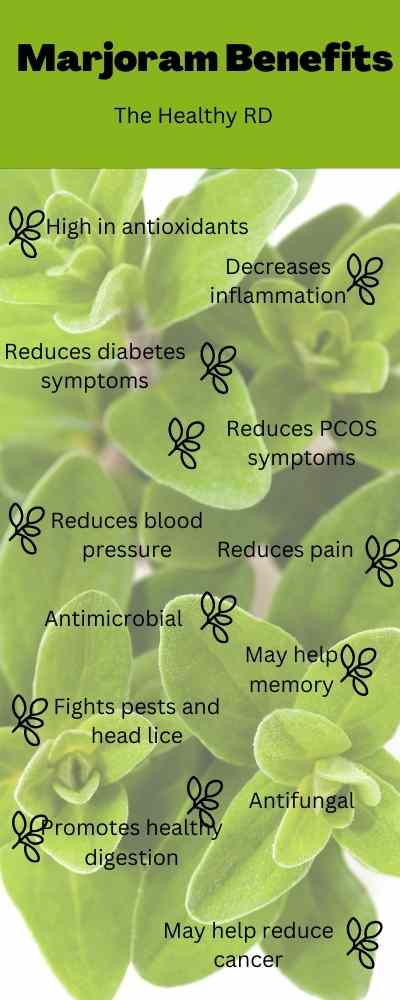
Our bodies are constantly engaged in a silent battle against oxidative stress, a process caused by free radicals that can damage cells, accelerate aging, and contribute to a host of chronic diseases. Antioxidants are the valiant defenders in this cellular skirmish, neutralizing these rogue molecules and protecting our precious cells. Marjoram, often overlooked in the pantheon of antioxidant-rich foods, is in fact a potent guardian, brimming with compounds that offer significant protection.
The antioxidant power of marjoram stems from its rich concentration of phenolic compounds, including rosmarinic acid, carvacrol, and various flavonoids. These phytochemicals are not just passive spectators; they are active participants in the defense mechanism, capable of donating electrons to unstable free radicals, thereby stabilizing them and preventing them from causing further harm. Imagine these compounds as tiny, selfless heroes, sacrificing themselves to protect the integrity of your cells, much like a shield deflecting blows.
Modern scientific research has increasingly highlighted the impressive antioxidant capacity of marjoram. Studies have shown that extracts of marjoram possess significant free radical scavenging activity, comparable to or even exceeding that of some more commonly recognized antioxidant-rich herbs. This means that regular consumption of marjoram can contribute to a robust internal defense system, helping to mitigate the daily onslaught of environmental toxins, stress, and metabolic byproducts that generate free radicals.
The implications of this antioxidant power are far-reaching. By reducing oxidative stress, marjoram contributes to overall cellular health, supports healthy aging, and may play a role in reducing the risk of chronic diseases such as heart disease, certain cancers, and neurodegenerative disorders. It’s a subtle yet powerful daily investment in your long-term health, working silently behind the scenes.
Incorporating marjoram into your daily meals is a simple and delicious way to bolster your antioxidant intake. Sprinkle it over your morning eggs or avocado toast. Add it to your salads, soups, and stews. Infuse olive oil with marjoram for a versatile dressing or marinade. Even a simple herbal tea made with marjoram leaves can deliver a dose of these protective compounds. By making marjoram a consistent presence on your plate, you’re not just adding flavor; you’re fortifying your body’s natural defenses, empowering your cells with an army of tiny, verdant guardians against the unseen threats of oxidative damage. It’s a proactive step towards a healthier, more resilient you.
5. Taming the Flames Within: Natural Anti-inflammatory Support
Inflammation, in its acute form, is a vital protective response, signaling the body to heal injuries and fight infections. However, when inflammation becomes chronic – a persistent, low-grade smoldering within the body – it can become a destructive force, contributing to a vast array of chronic diseases, from arthritis and heart disease to diabetes and autoimmune conditions. This "silent killer" often goes unnoticed until symptoms become pronounced. Fortunately, nature offers powerful allies in the fight against chronic inflammation, and marjoram stands out as a gentle yet effective botanical anti-inflammatory.
The anti-inflammatory properties of marjoram are largely attributed to the same phenolic compounds and flavonoids responsible for its antioxidant activity, such as carvacrol, thymol, and rosmarinic acid. These compounds work through various mechanisms to modulate the body’s inflammatory pathways. They can inhibit the production of pro-inflammatory cytokines and enzymes, effectively dampening the inflammatory response at a cellular level. Imagine these molecules as skilled negotiators, calming down the overzealous inflammatory signals and guiding the body back towards a state of balance.


Post Comment