The Culinary Healer: How Marjoram Transforms Both Your Recipes and Your Health
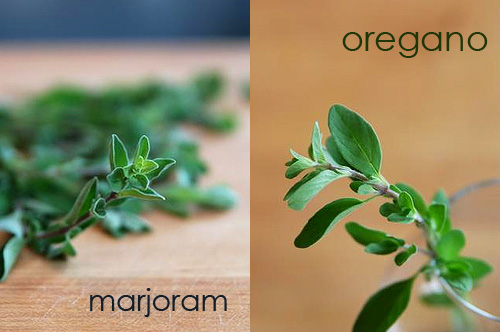
In the verdant tapestry of the plant kingdom, certain unassuming species hold within their delicate leaves a power that transcends mere flavor. They are the quiet alchemists, transforming mundane meals into memorable feasts and offering profound remedies for the body and spirit. Among these botanical treasures, one herb, often overshadowed by its more pungent cousin oregano, shines with a gentle yet potent radiance: marjoram. This is the story of Origanum majorana, a true culinary healer, whose sweet, piney whisper has echoed through history, adorning the tables of emperors and healers alike, and whose subtle magic continues to transform both our recipes and our health in ways that are both ancient and astonishingly modern.
For the knowledgeable palate and the discerning mind, marjoram is more than just an ingredient; it is an experience. It’s the warmth in a winter stew, the delicate perfume in a summer salad, and the soothing balm for an anxious mind or a troubled gut. Join us on a journey to uncover the multifaceted brilliance of marjoram, from its ancient origins and culinary prowess to its remarkable therapeutic properties, revealing why this humble herb deserves a place of honor in every kitchen and medicine cabinet.
A Whisper from Antiquity: Marjoram’s Storied Past
The narrative of marjoram begins in the sun-drenched lands of the Mediterranean and North Africa, where it was first cultivated thousands of years ago. Its very name, derived from the Arabic "marjamie" meaning "incomparable," hints at the reverence it inspired. But it was the ancient Greeks who truly wove marjoram into the fabric of their mythology and daily life. To them, it was a symbol of happiness and love, believed to have been created by Aphrodite, the goddess of love, herself. Brides and grooms wore wreaths of marjoram to signify their joy, and its sweet scent was often released into homes to welcome guests, symbolizing peace and prosperity.
The Romans, ever practical yet appreciative of beauty, adopted marjoram with equal enthusiasm. They called it "amaracum" and used it not only for its aromatic qualities in cooking and perfumery but also as a medicinal herb, believing it could cure a variety of ailments. Its association with peace extended to the afterlife, where it was sometimes planted on graves, a gentle offering of eternal rest.
Across the Mediterranean, the Egyptians utilized marjoram, albeit with a different emphasis. While they appreciated its aromatic qualities, their primary use was in embalming and as a medicinal herb, testament to its potent antimicrobial properties, even if the underlying science was then unknown.
As the centuries turned, marjoram traveled with merchants and conquerors, finding new homes and new admirers. In medieval Europe, it became a staple in monastery gardens, valued for both its culinary and medicinal virtues. It was believed to ward off evil spirits, and young women would place sprigs under their pillows, hoping to dream of their future spouses. Its delicate flavor found its way into hearty stews and roasted meats, becoming an integral part of the European culinary landscape.
The Renaissance saw a renewed interest in herbal medicine, and marjoram, with its well-established reputation, was a prominent feature in herbals and apothecaries. From alleviating headaches to soothing coughs, its applications were numerous and varied. This rich historical tapestry paints a vivid picture of an herb deeply intertwined with human culture, emotion, and well-being, a true testament to its enduring power and charm.
The Culinary Maestro: Elevating Flavors with Marjoram
To understand marjoram is to appreciate its nuanced flavor profile—a quality that truly sets it apart in the culinary world. Unlike the bolder, more assertive notes of its close relative, oregano, marjoram offers a softer, sweeter, and more complex symphony of taste. It presents a delicate balance of pine and citrus, with subtle floral undertones and a hint of warm spice. It is less peppery than oregano, making it a more versatile player in dishes where a gentle aromatic lift is desired without overpowering other ingredients.
A. Sensory Profile: A Symphony of Sweetness and Spice
Imagine the fresh scent of a Mediterranean breeze carrying notes of blooming flowers, warm earth, and sun-drenched herbs. That’s marjoram. Its aroma is captivatingly sweet, with a distinct resinous, slightly woody quality that evokes images of pine forests. On the palate, this translates into a taste that is simultaneously sweet, herbaceous, and faintly citrusy, often described as having notes of balsam or even thyme. This complexity allows it to harmonize beautifully with a wide array of ingredients, acting as a bridge between flavors rather than a dominant force.
B. Fresh vs. Dried: Nuances in Application
The form of marjoram used significantly impacts its flavor and potency. Fresh marjoram, with its tender, velvety leaves, offers a brighter, more vibrant, and subtly floral note. It’s ideal for finishing dishes, garnishes, salads, and lighter preparations where its delicate essence can truly shine. The volatile oils are more pronounced, offering a fresher aromatic burst.
Dried marjoram, on the other hand, boasts a more concentrated and earthy flavor. As the leaves dry, the water content diminishes, intensifying the essential oils and deepening the taste. This makes dried marjoram excellent for longer cooking times, such as in stews, sauces, marinades, and braises, where its flavor can slowly infuse and develop. It’s often sold as "rubbed" marjoram (coarsely crushed leaves) or ground, with rubbed marjoram generally offering a superior flavor due to less surface area exposure and oxidation.
C. Aromatic Alchemy: Pairing Principles
Marjoram’s gentle nature makes it an incredibly versatile herb, capable of enhancing without overwhelming. Its pairing possibilities are extensive:
- Meats: It’s a classic companion to pork, especially in sausages, roasts, and chops, where its sweetness complements the richness of the meat. Lamb benefits from its piney notes, while poultry (chicken, turkey, duck) is elevated by its delicate aroma in stuffings, rubs, and gravies. Even beef, particularly in meatballs, stews, and less robust cuts, finds a friend in marjoram.
- Vegetables: Marjoram has an affinity for the bounty of the garden. Tomatoes, whether fresh in a caprese salad or cooked in a marinara sauce, sing when paired with marjoram. Potatoes, in gratins or roasted preparations, absorb its warmth. Beans, zucchini, eggplant, and bell peppers also welcome its herbaceous embrace.
- Legumes and Grains: Lentil soups, bean chilis, and hearty grain dishes like risottos or pilafs are transformed by marjoram’s comforting presence, adding depth and a touch of elegance.
- Sauces, Soups, and Stews: This is where dried marjoram often shines, slowly releasing its complex flavors into the broth or base. From classic Italian sauces to rustic French stews and German goulash, marjoram provides a foundational aromatic layer.
- Dressings and Marinades: Fresh marjoram, finely chopped, adds a sophisticated touch to vinaigrettes, while both fresh and dried forms can elevate marinades for meats and vegetables.
- Herb Blends: Marjoram is a vital component of many classic herb blends, including Herbes de Provence (alongside thyme, rosemary, savory, and lavender) and various Italian seasoning mixes. It provides the sweet, earthy heart of these aromatic melanges.
- Unexpected Pairings: While primarily savory, marjoram can surprisingly lend a delicate, floral complexity to certain desserts, particularly those featuring stone fruits or citrus, when used sparingly. It can also infuse simple syrups for unique cocktails or non-alcoholic beverages.
D. Regional Culinary Traditions
Marjoram’s culinary journey has left its mark on diverse regional cuisines:


Post Comment